
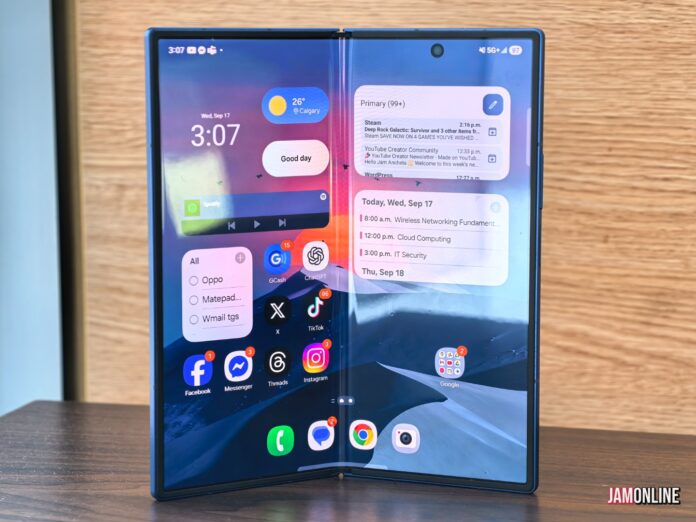
2025 is a big year for Samsung’s flagship foldable. The Samsung Galaxy Z Fold 7 brings a noticeably thinner design and a big camera upgrade. With this redesign, it is now the thinnest Galaxy Z Fold smartphone so far.
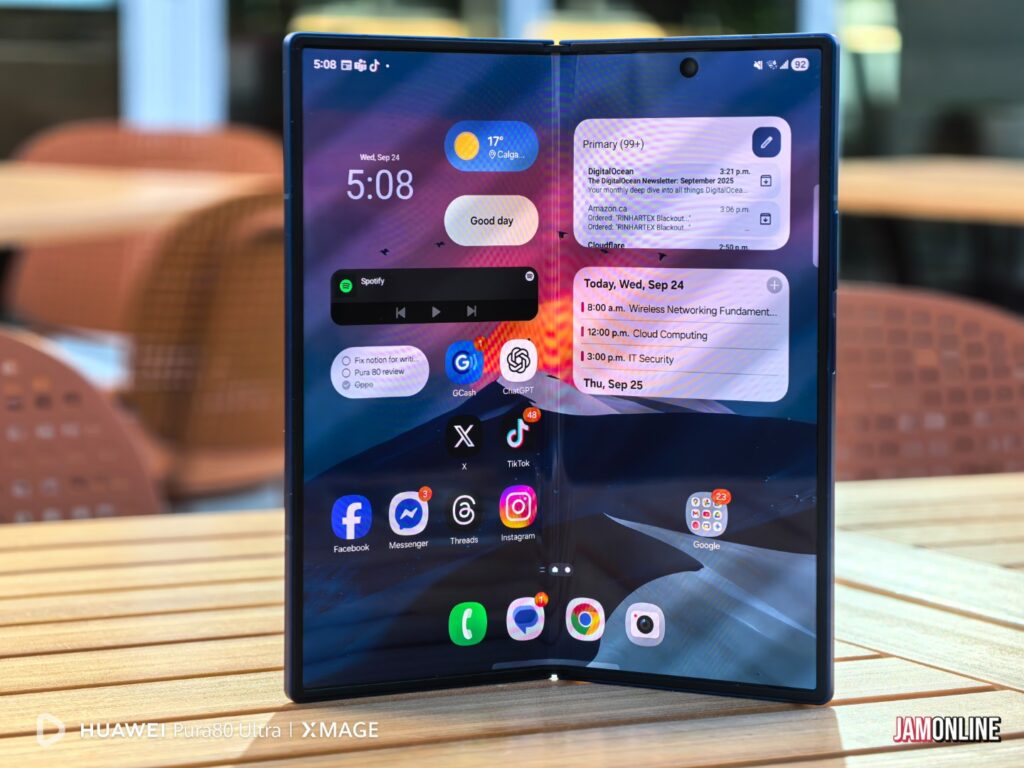
But of course, going thinner comes with sacrifices. After using the Galaxy Z Fold 7 for six months, is the new design worth it? Here’s my long-term experience.
Design and Build Quality
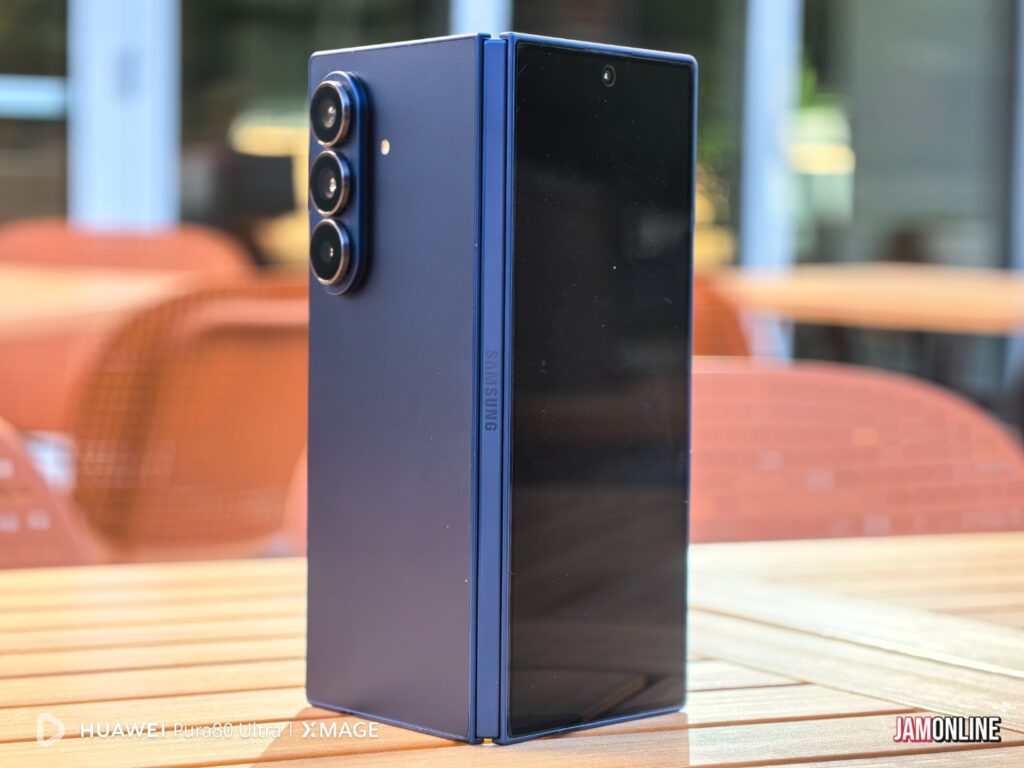
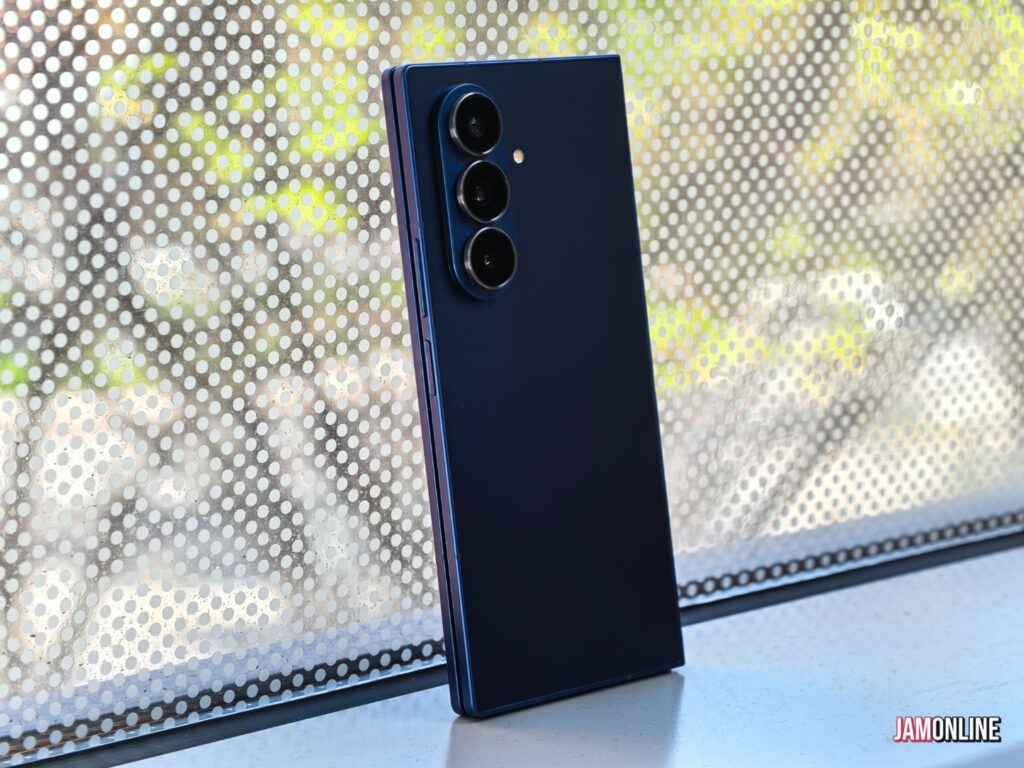
The Samsung Galaxy Z Fold 7 is easily one of the most impressive smartphones Samsung has ever made in terms of design and construction. At just 4.2mm thin when unfolded, it’s an engineering achievement for the Korean company, especially considering how solid the hinge still feels.
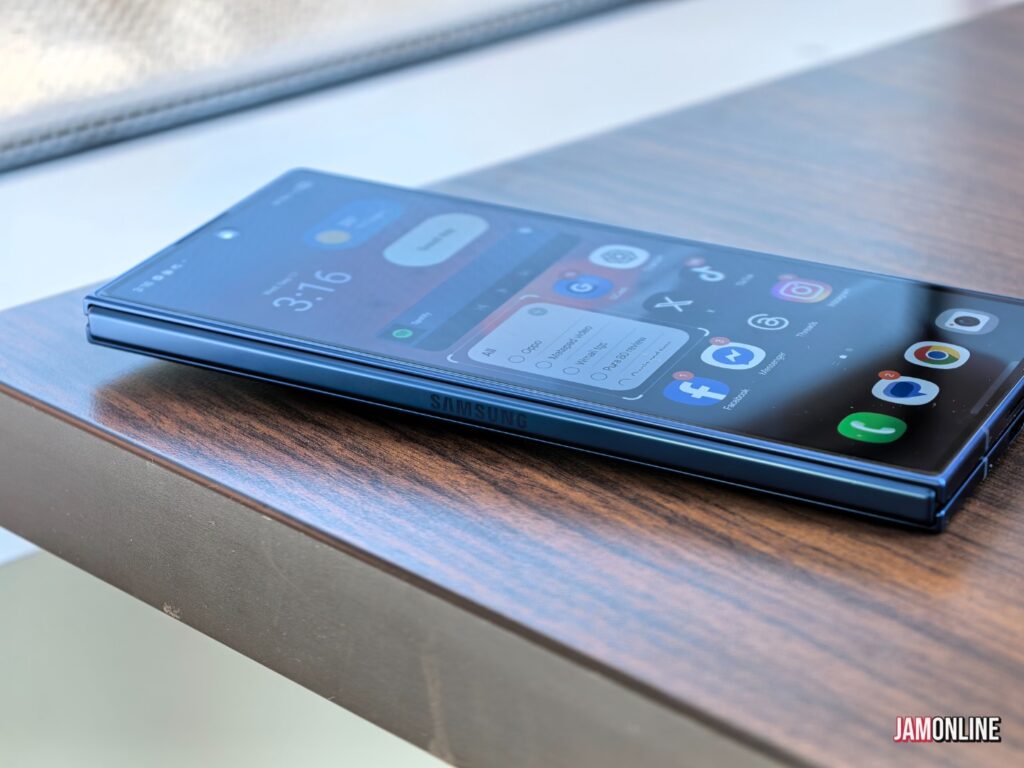
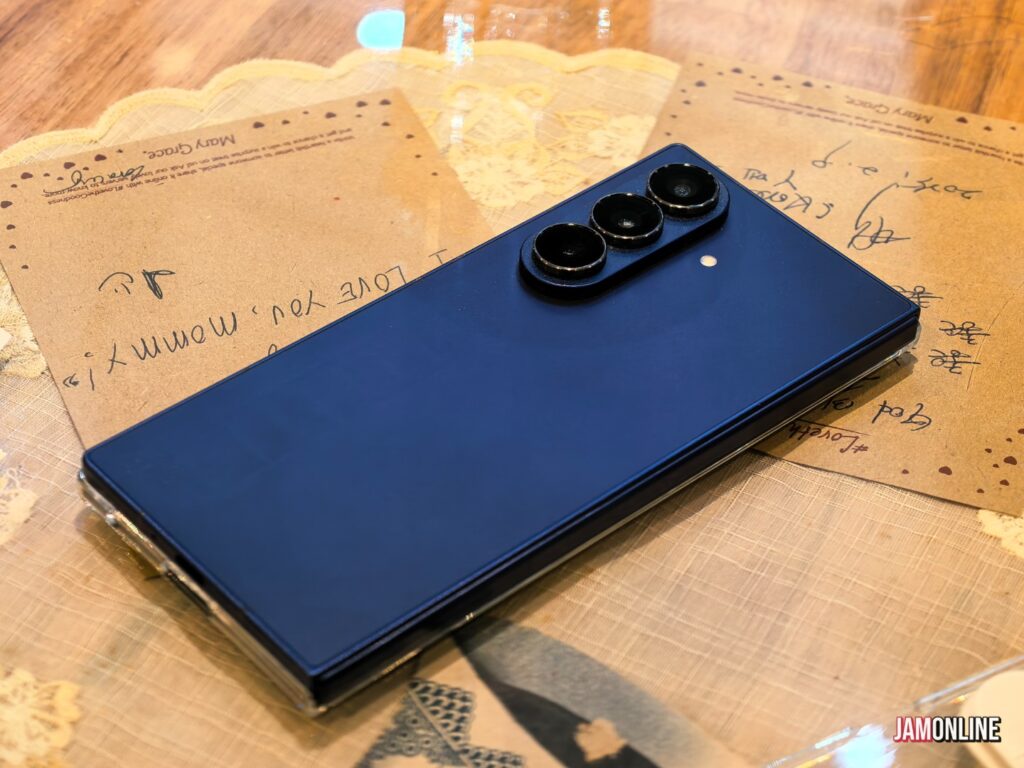
Even with a case installed, the Galaxy Z Fold 7 remains slim and comfortable to hold. The back is made of glass, which gives it a premium and sleek feel. There’s still no MagSafe or Qi2 magnets, but that’s easily addressed with third-party cases in which most users will likely use anyway.
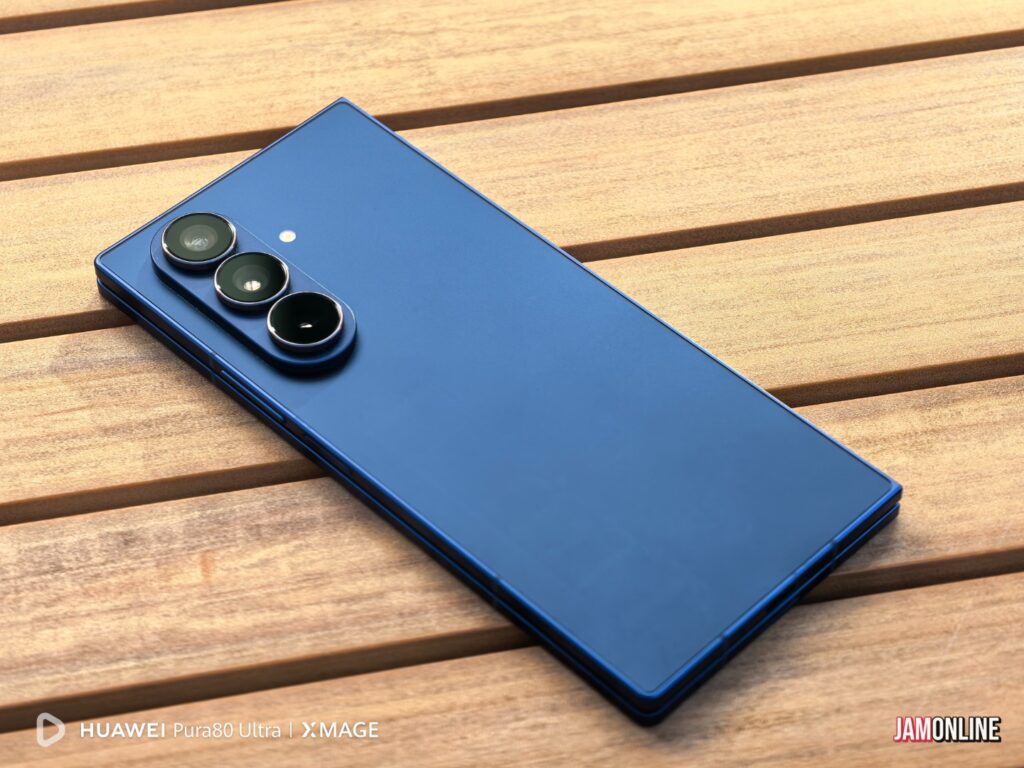
After several months of daily use, the hinge still feels consistent when opening and closing. There’s no looseness or change in resistance, which is impressive given how thin the device is. However, one major compromise is the removal of S Pen support, which I personally miss, especially for productivity especially for signing.
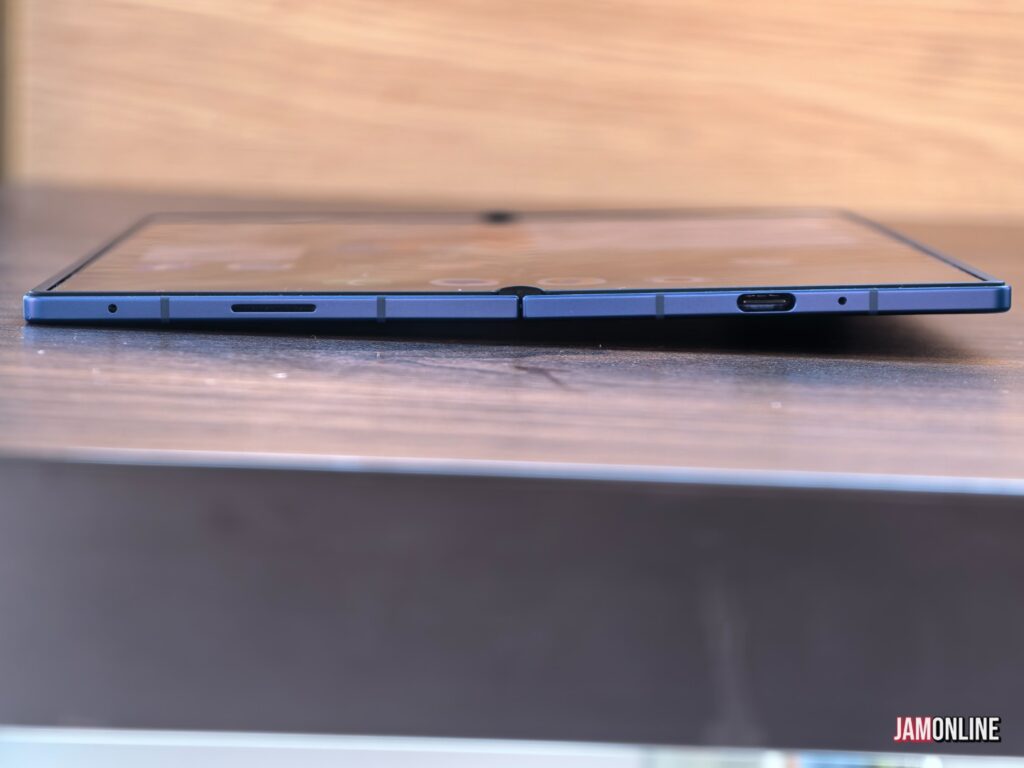
Speaker quality is just average. Watching Netflix or YouTube is still enjoyable thanks to the large foldable display but the aspect ratio makes it weird. The power and volume buttons are well placed and easy to reach, even when using the phone one-handed.
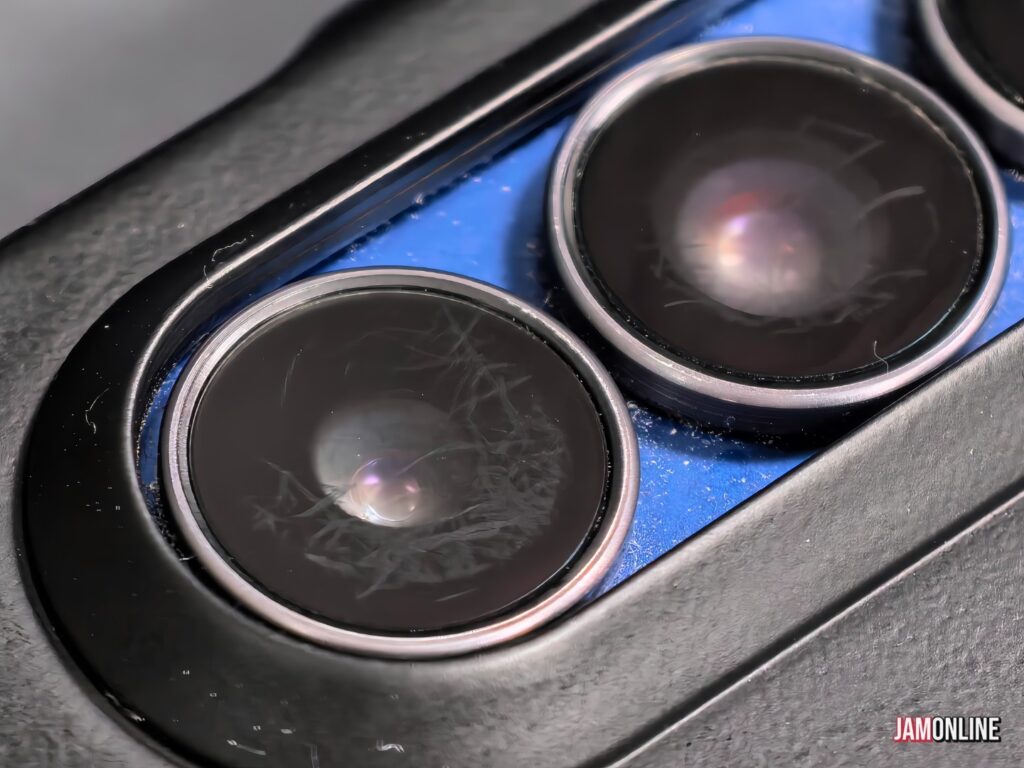
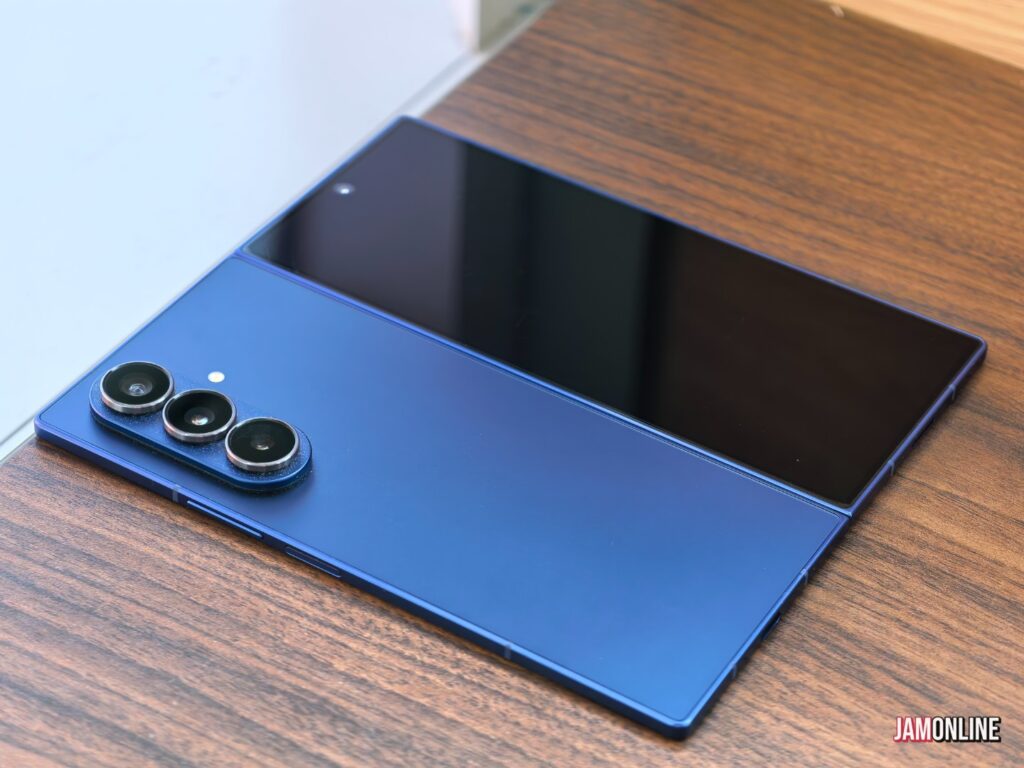
One issue I noticed over time is scratching on the camera lenses, despite using a case and taking good care of the phone. A colleague experienced the same issue, so this doesn’t seem to be an isolated case.
I also noticed small paint chips on the frame after a few months, even with a case on. It’s not a deal-breaker for me, but it’s worth mentioning.
Large Display, Better for Productivity
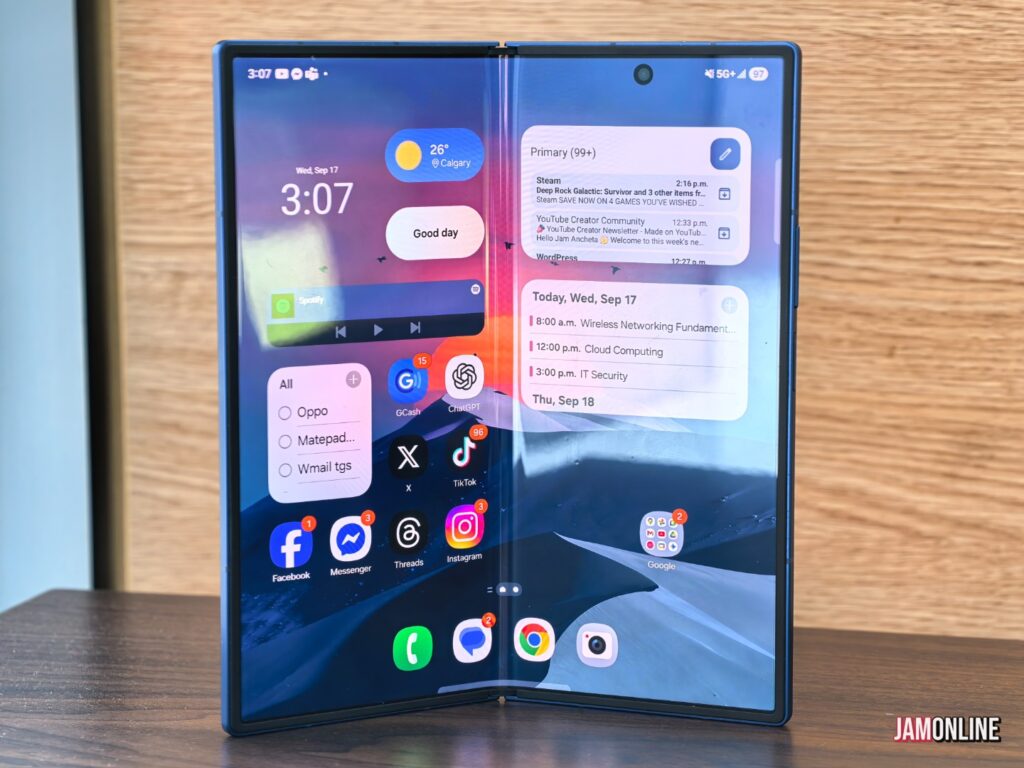
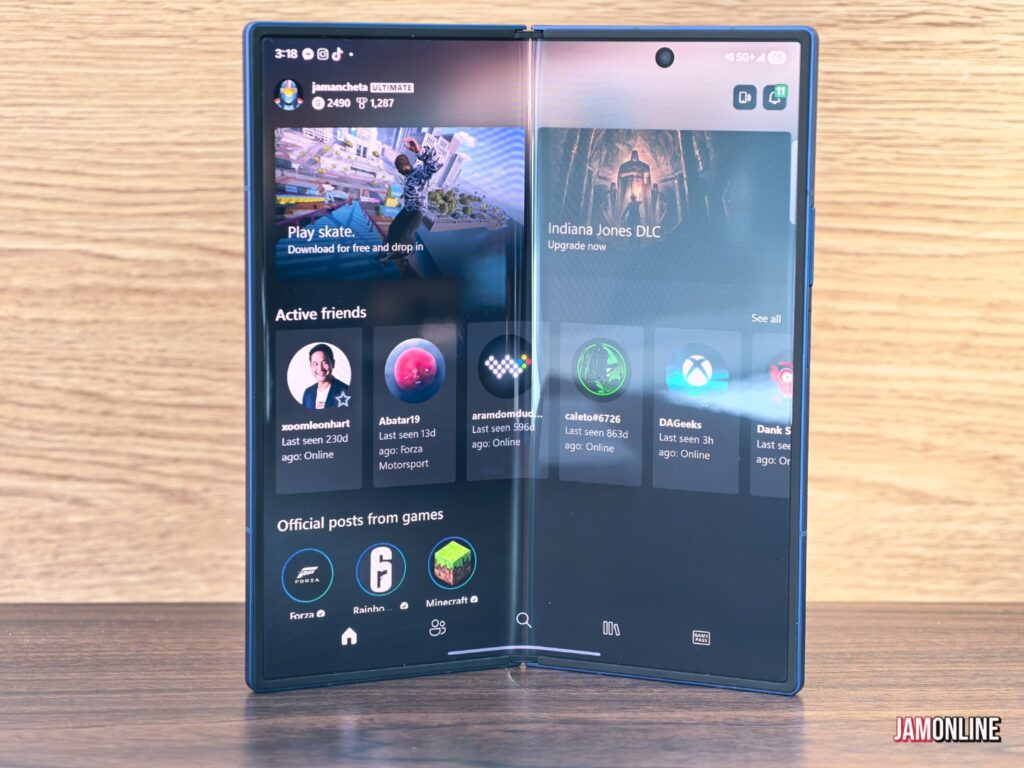
The aspect ratio of the Samsung Galaxy Z Fold 7 still isn’t ideal. It’s taller rather than wider, which works well for browsing social media and websites in portrait mode. However, when unfolded, videos in 16:9 or 21:9 still show black bars at the top and bottom.
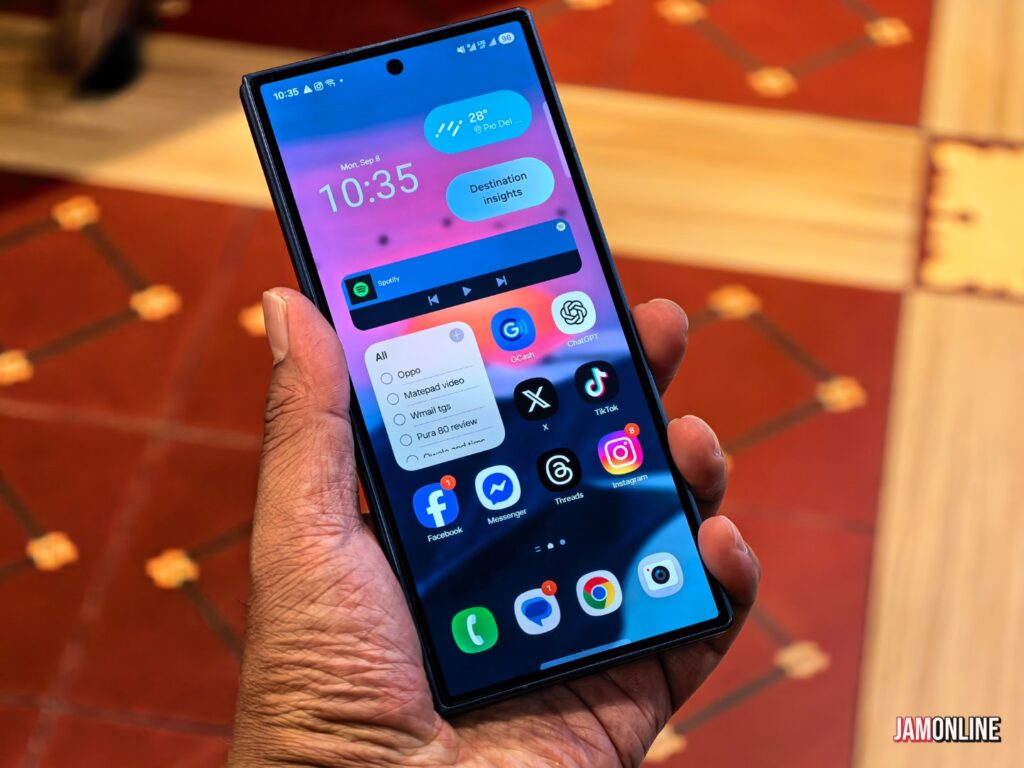
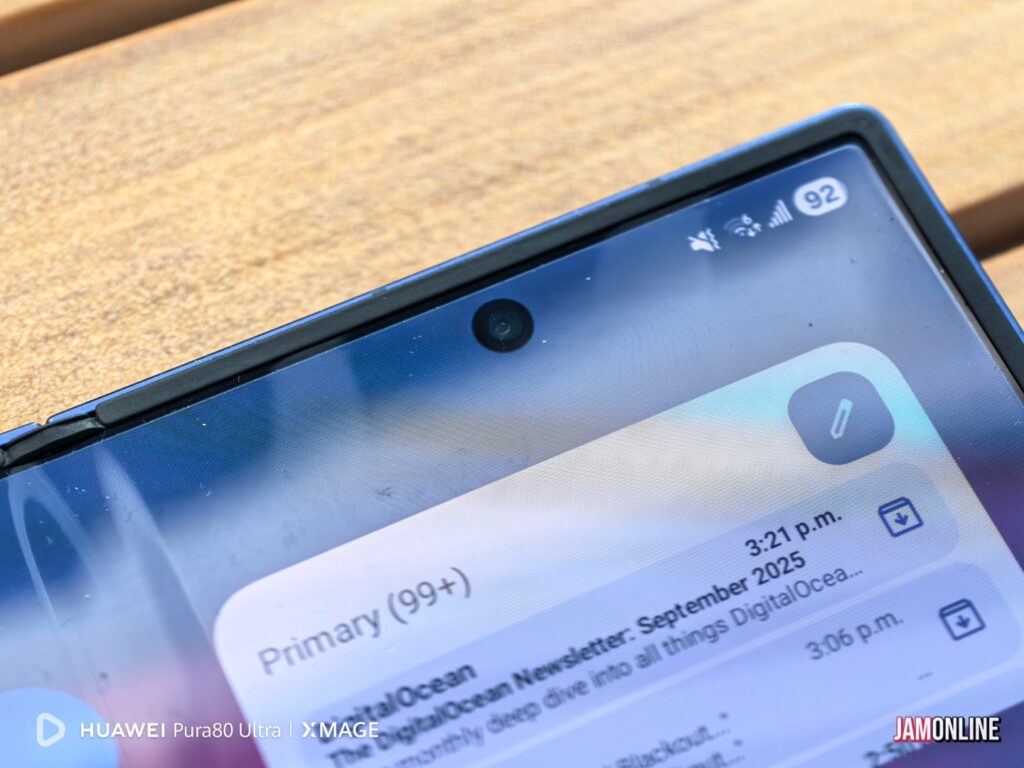
The crease is still present, but once you start using the device, it becomes easy to ignore. Both the inner and outer displays are bright enough for outdoor use, and the slightly wider cover display now feels much more usable. It finally feels closer to using a regular smartphone when folded.
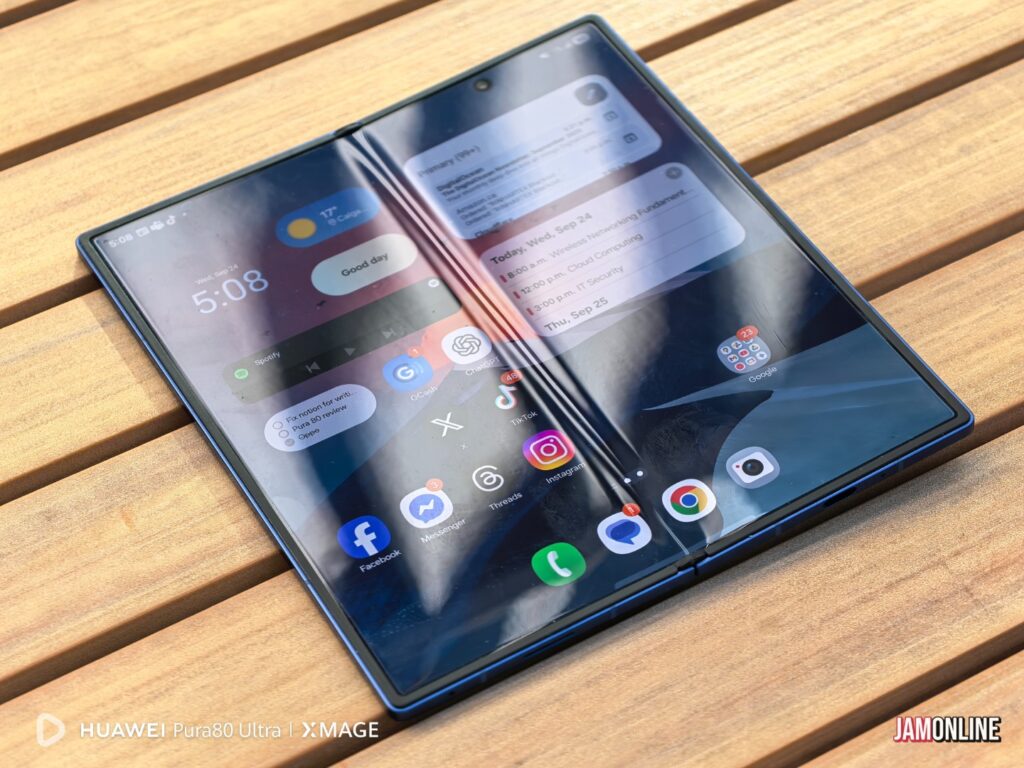
Samsung DeX still isn’t available directly on the built-in displays and you’ll need an external monitor to use it. That said, after months of heavy use, both displays have held up well. The crease hasn’t worsened, and there are no display issues so far.
The Foldable Experience
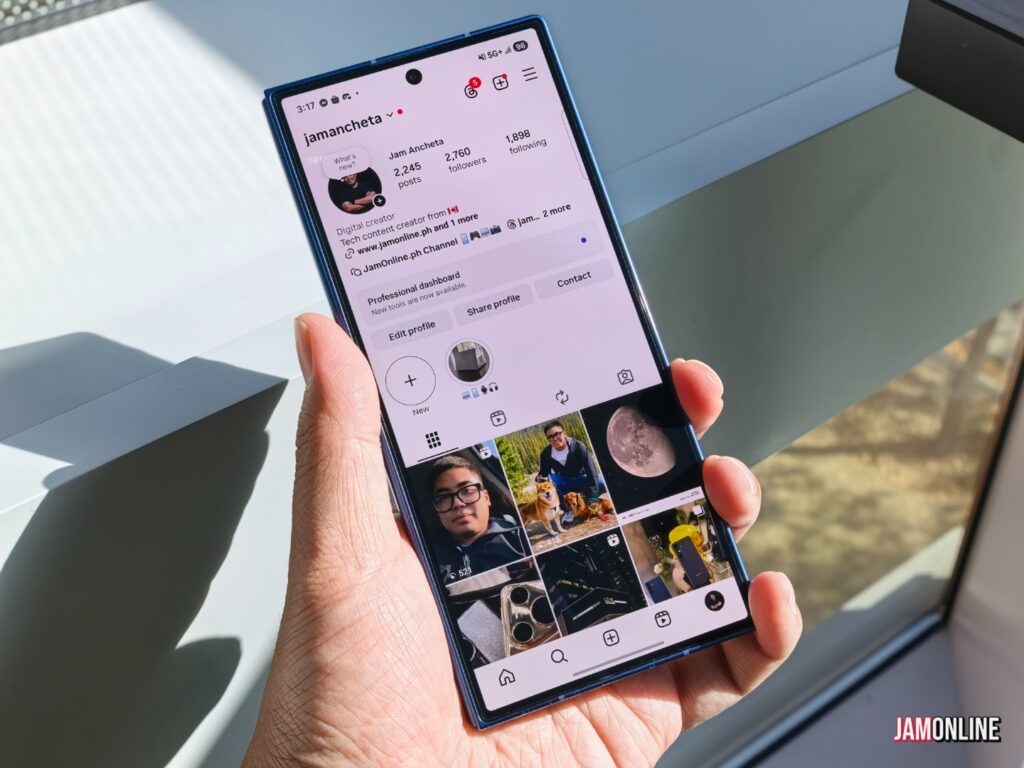
The foldable display remains the Galaxy Z Fold 7’s biggest strength but the hardware alone isn’t enough. Fortunately, Samsung’s software experience for foldables has matured significantly.
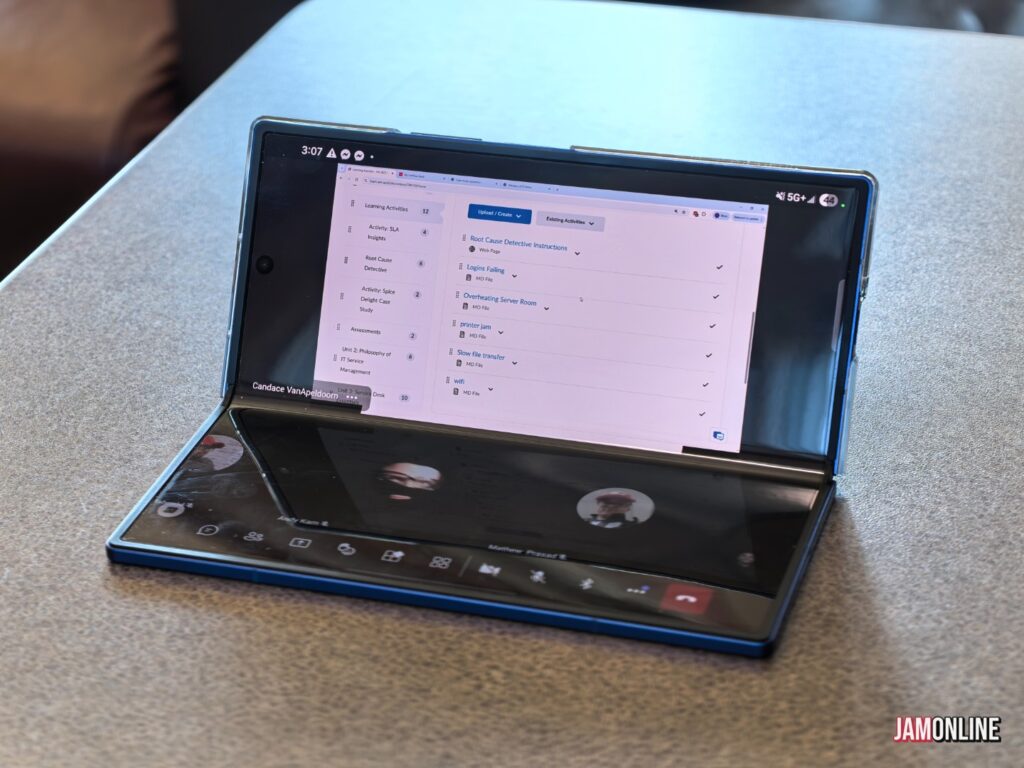
Multitasking and window management are excellent. I can comfortably run multiple apps side by side, and the interface feels intuitive and easy to learn. For productivity, this is still one of the best smartphones you can buy.
Most apps and games run without issues. Gaming, especially emulator games, is a highlight for me. The larger screen makes a noticeable difference, letting you see more content at once.
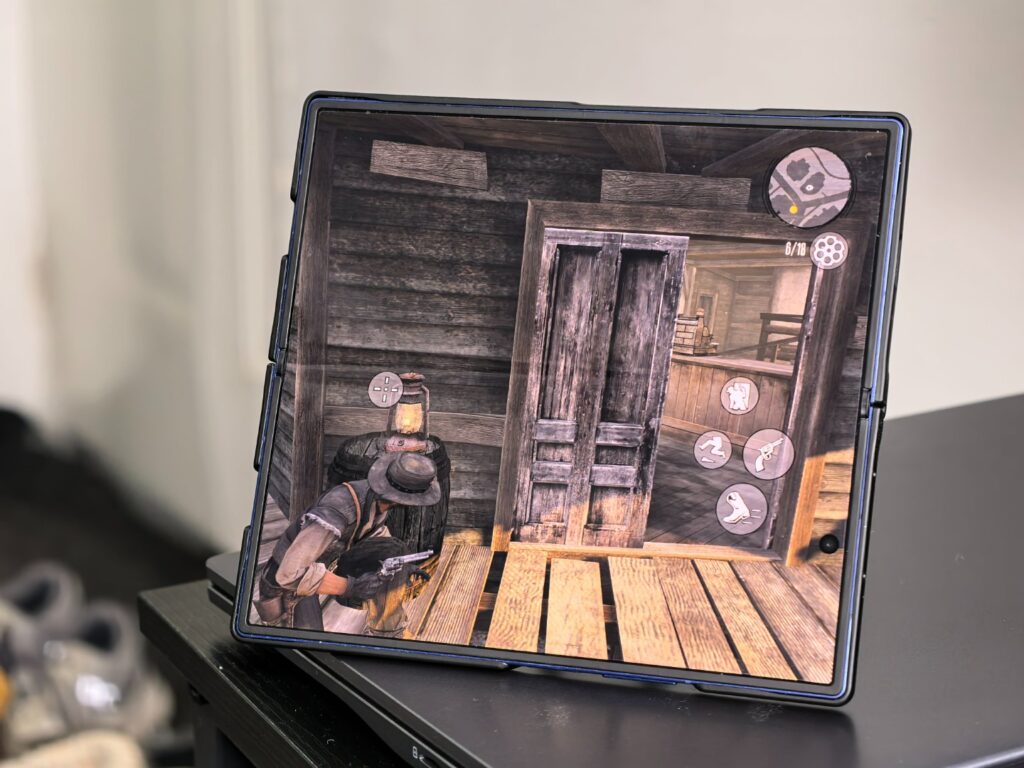
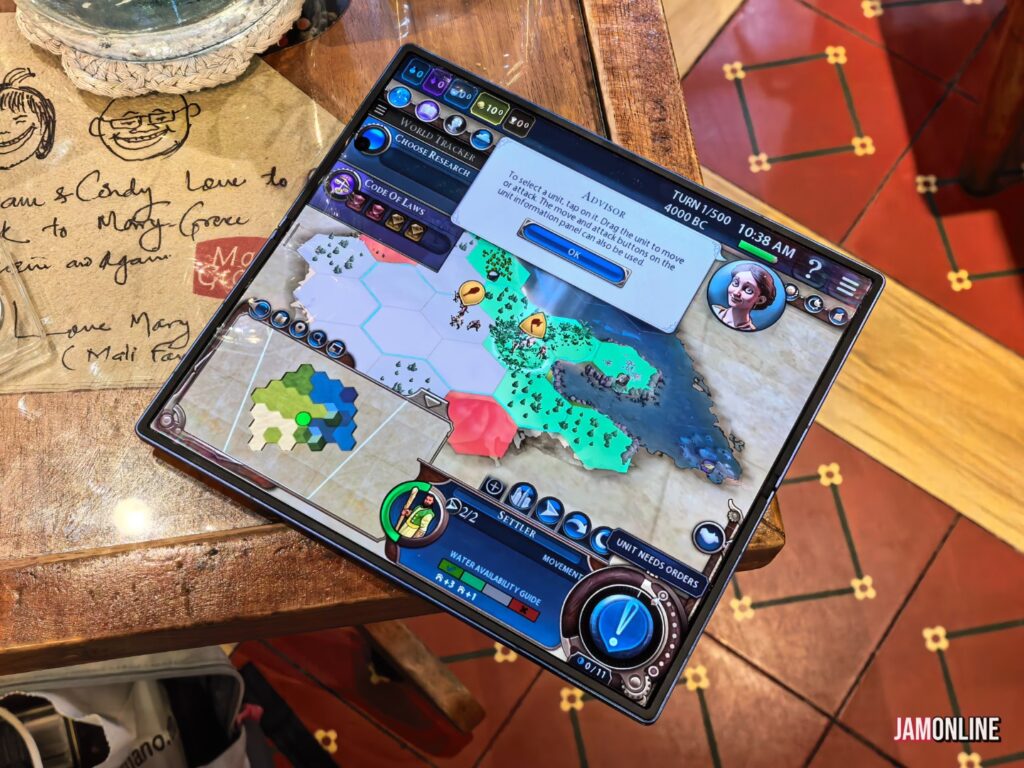
Performance is solid thanks to the Snapdragon 8 Elite. I had no problems running demanding games like Red Dead Redemption and Civilization VI. The Galaxy Z Fold 7 handled them smoothly without noticeable slowdowns.
Battery Life: Decent, But Could Be Better
Battery life is decent for a foldable smartphone with a 5,000mAh battery. I was hoping for a bit more, but in real-world use, the Galaxy Z Fold 7 comfortably lasts a full day with a mix of folded and unfolded usage.
Heavy gaming, however, drains the battery much faster. If gaming is your main use case, expect to charge the phone earlier than usual.
Camera: Improved, But Still Not the Best
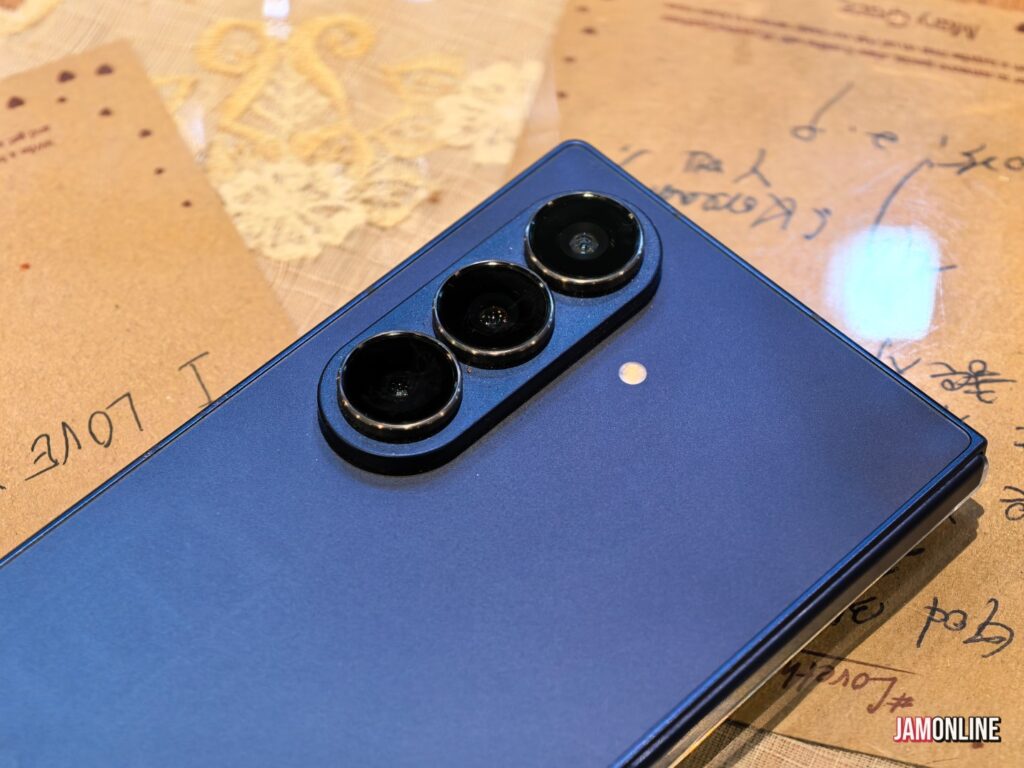
The camera is one of the biggest upgrades on the Samsung Galaxy Z Fold 7. It now features a 200MP main camera, alongside a 10MP telephoto and a 12MP ultra-wide camera. Both selfie cameras are 10MP.
It’s a clear improvement over the previous generation, but it still doesn’t match the camera performance of the Galaxy S25 Ultra. Photos look good overall, especially for social media and everyday use, but they lack the consistency and detail of Samsung’s Ultra lineup.
That said, one advantage of a foldable phone is being able to use the rear cameras for selfies and videos while using the cover display as a live view. This is still one of my favorite features.
After 6 Months: Final Thoughts
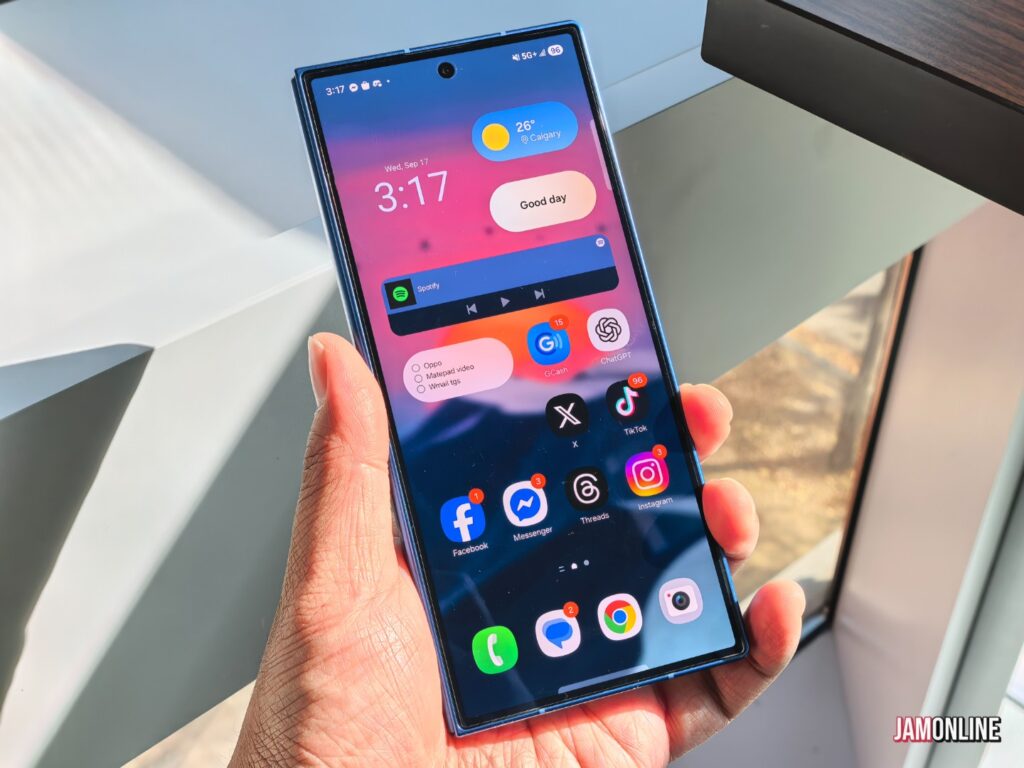
After months of use, the Samsung Galaxy Z Fold 7 continues to improve thanks to regular One UI updates. Samsung’s foldable software experience feels mature, and each update refines the overall usability.
That said, it’s still not perfect. The camera lens scratches and small paint chips are disappointing, especially since I take good care of my devices. These issues rarely happen to me with other smartphones.
Still, the Galaxy Z Fold 7 has held up well overall. It remains my favorite smartphone because of how much I can do on its larger screen, whether for work, gaming, or media consumption.
Verdict
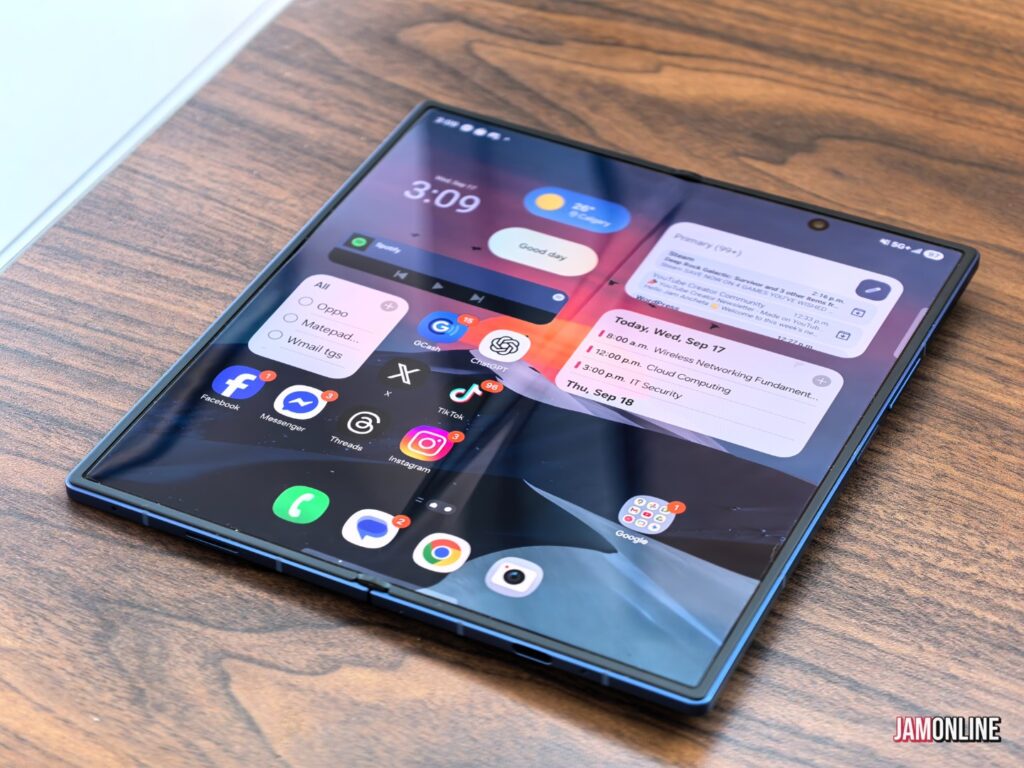
The Samsung Galaxy Z Fold 7 offers meaningful upgrades over its predecessors, especially with its thinner design and improved camera system. While it doesn’t match Samsung’s Ultra phones in camera quality and still has durability concerns around the lenses, the overall experience has improved over time thanks to software updates.
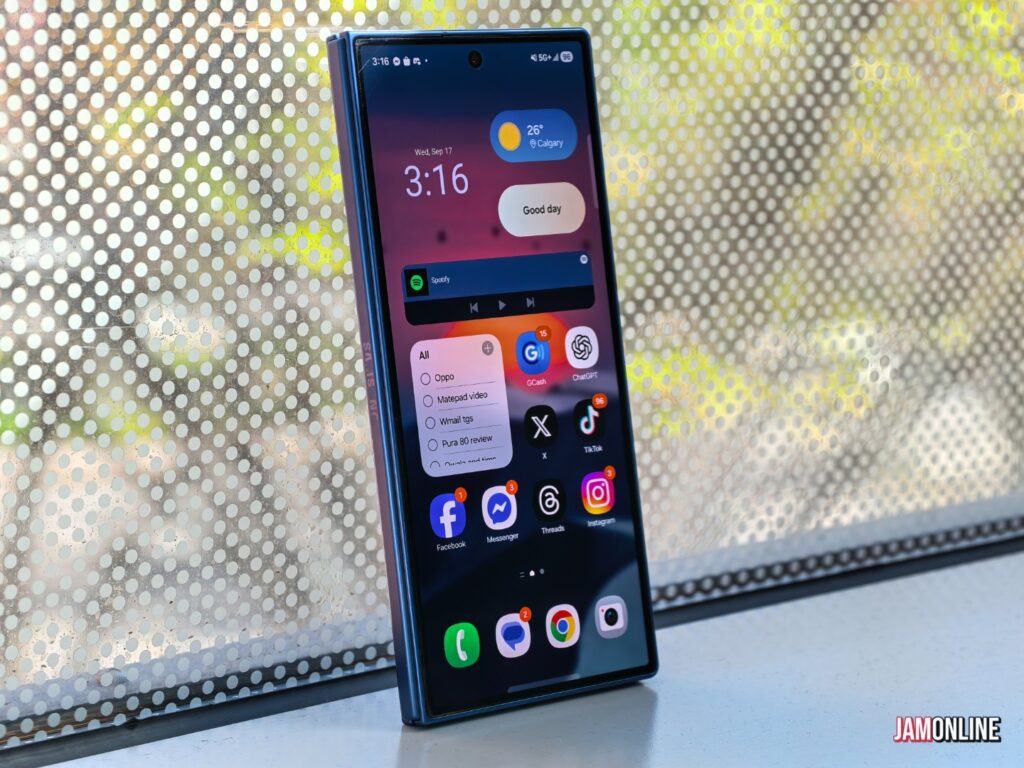
This isn’t a smartphone for everyone. Foldables still aren’t for users who prefer traditional designs. But if you want a device that works as both a smartphone and a mini tablet for productivity, gaming, and media, the Galaxy Z Fold 7 is still a strong option.
Just keep in mind that the Galaxy S26 is expected soon, so timing your purchase matters.
