Huawei Philippines also got some treats for you at Lazada 9.9 Flash Sale. If you buy certain smartphones from Huawei, you’ll also be able to get freebies when you purchase a Huawei Nova 3i, Nova 2 Lite, or the Y6 2018.
The Huawei Y6 2018 which is their affordable Android smartphone, will come with a free Bluetooth Mic + headphone when you purchase at LazMall for Php5,990 while the Huawei Nova 2 Lite which is priced at P8,990 will come with a free Power Bank and headphone and their latest smartphone, the Huawei Nova 3i, will come with a free weighing scale and headphone for Php15,990.
The promo will only be available for tomorrow so be sure to check out their LazMall page at http://bit.ly/HuaweiLazadaSale
Lazada is having a flash sale right now and tomorrow, September 9, they’ll be having the grandest sale tomorrow and OPPO Philippines will be selling OPPO smartphones at a discounted price.
The OPPO F9 is the latest smartphone from the company and it features a VOOC Flash Charge, Dual lens camera, and a new attractive design. For those who will buy the OPPO F9 at LazMall, they’ll be getting freebies worth Php1,500.
But of course, there will be other OPPO smartphones that will be on sale at a discounted prices and these are:
OPPO F3 Plus – Php12,490
OPPO F3 – Php9,999
OPPO F5- Php14,999
If you’re interested in getting an OPPO smartphone at Lazada just head over to their flagship store on LazMall at this link — http://bit.ly/OPPOLazMall
Lazada Philippines is having a sale right now and ASUS is joining the game too as they offer discounts to different products such as the ASUS Zenfone Max Pro M1 which is priced for as low as Php7,999 in their Slash it promo
So how can you get the ASUS Zenfone Max Pro M1 at a really affordable price? Well, just slash the Zenfone Max Pro M1 as much as possible and as fast as possible and then invite your friends to slash too. But the smartphone will also be available in their flash sale. The ASUS Zenfone Max Pro M1 with 3GB/32GB memory will be available for Php8,995.
Other products are also on sale at the Lazada 9.9 sale
ASUS ZenPower 10050mAh – Php749
ASUS Zenfone 4 Selfie Lite – Php6,295
ASUS Zenfone 3 Zoom – Php10,995
ASUS Zenfone 3 Laser – Php6,495
Vivobook X407/X507 – Php17,995
Vivobook X556UQ – Php37,995
ASUS ROG Strix GL504 Hero Edition – Php98,999
ASUS ROG Strix GL504 SCAR Edition – Php121,999
ASUS ROG Strix GL503VD – Php47,999
ASUS TUF Gaming FX504GE – EN039T – Php66,999
ASUS TUF Gaming FX504GE – EN0179T – Php64,999
So there you go! Those are the products that are available tomorrow at a discounted price at Lazada 9.9 Flash Sale.
When it comes to smartphone photography, Huawei is leading the pack as the company got the two highest DxOmark scores for their smartphones in the Huawei P20 series. I, myself, is a Huawei P20 Pro user because of its amazing triple lens camera that performs really well even at lowlight. Well, they’re really confident that’s why they want to showcase to the world the shots using Huawei smartphone with Huawei’s NEXT-IMAGE Awards.
cof
The Philippines has managed to have a total of 10,431 photo entries from 3,378 attendees from the Philippines in where we got the highest submission of entries overseas which is 2nd most active country in the competition next to China.
Huawei Philippines has also teamed up with Manila Bulletin for a photo exhibit that showcases the prowess of the Huawei smartphones and it was launched at Manila Hotel. The exhibit can be seen this September 14-20 at SM Aura and at Glorietta from September 21-23.
There were two Nova smartphones that were introduced earlier this month and these are the Huawei Nova 3i and the Nova 3i. The Huawei Nova 3i wow-ed us with its design as it offers a gradient color and also a quad camera which is really useful for AR and depth sensing but how about the Huawei Nova 3? Is the more powerful smartphone any good? Check out our review of the smartphone below.
Huawei Nova 3 Specs
Huawei Kirin 970 Octa-Core Processor
6.3-inch Full HD+ IPS Display (2340×1080)
6GB RAM
128GB Internal Storage expandable via MicroSD
24MP+16MP Rear Camera with LED Flash and PDAF
24MP+2MP Front Camera
WiFi, Bluetooth, GPS, A-GPS
LTE
Dual SIM
3750mAh Battery
Fast Charging
Android 8.1 with EMUI 8.2
Design and Hardware
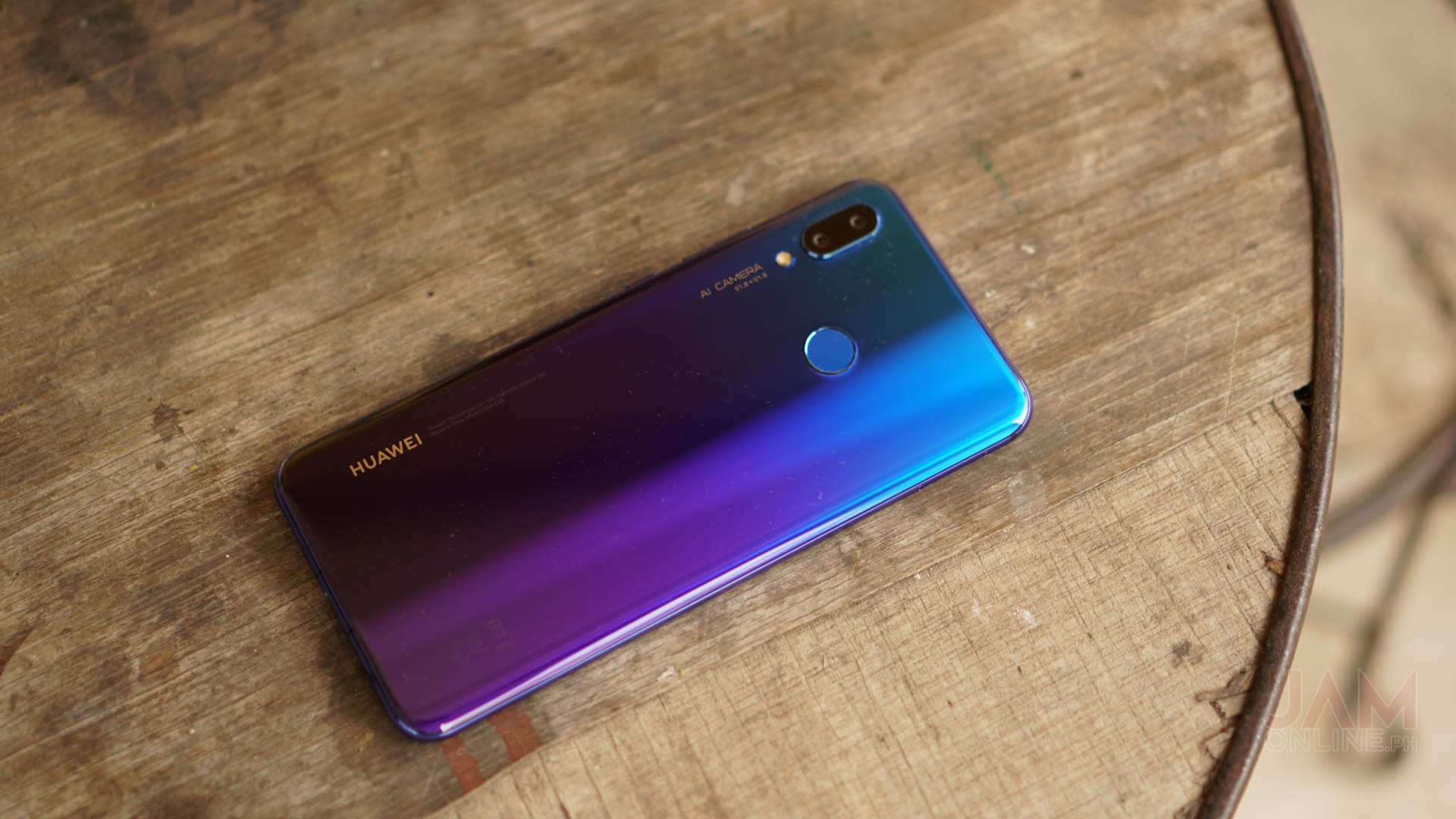
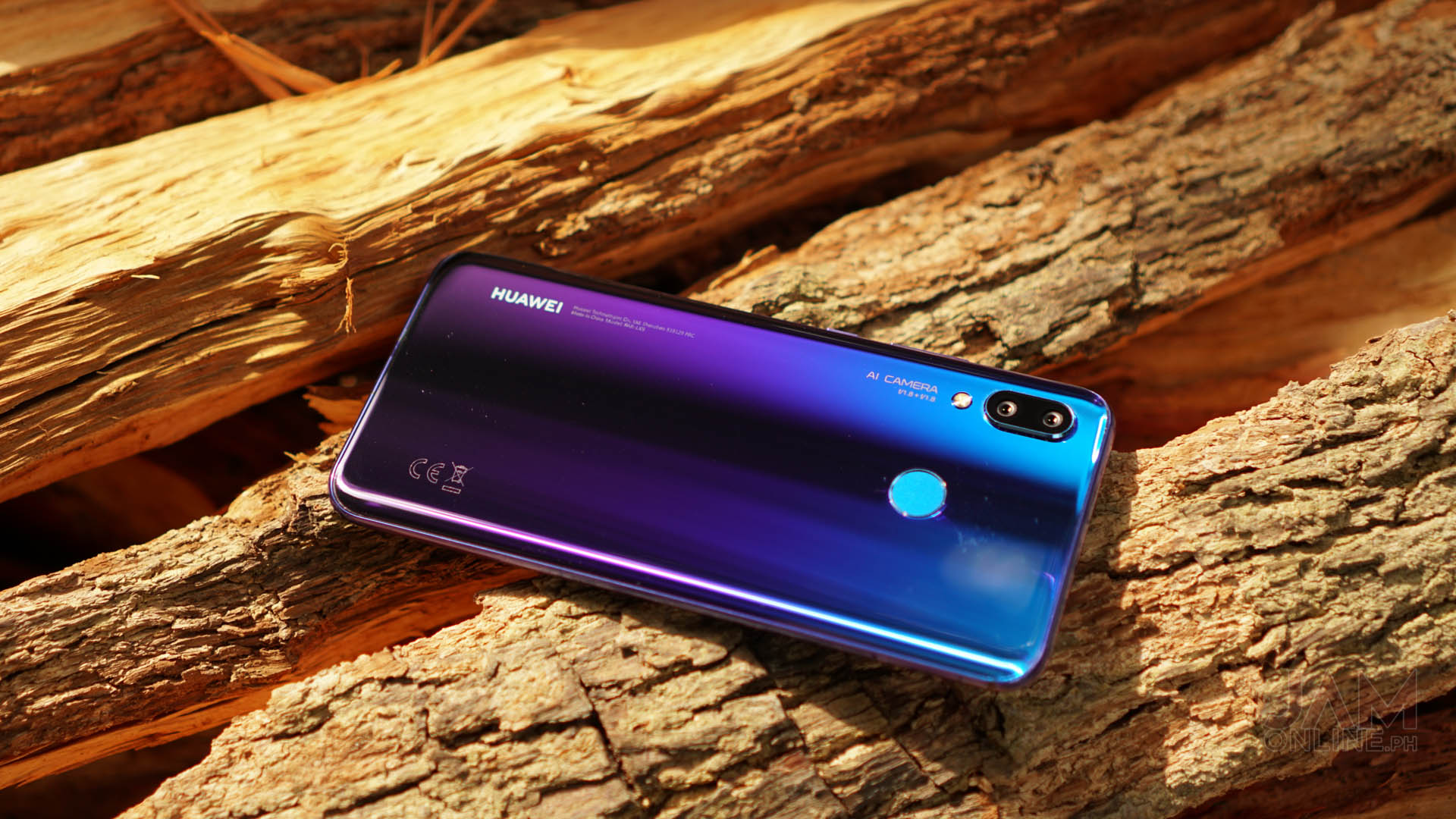
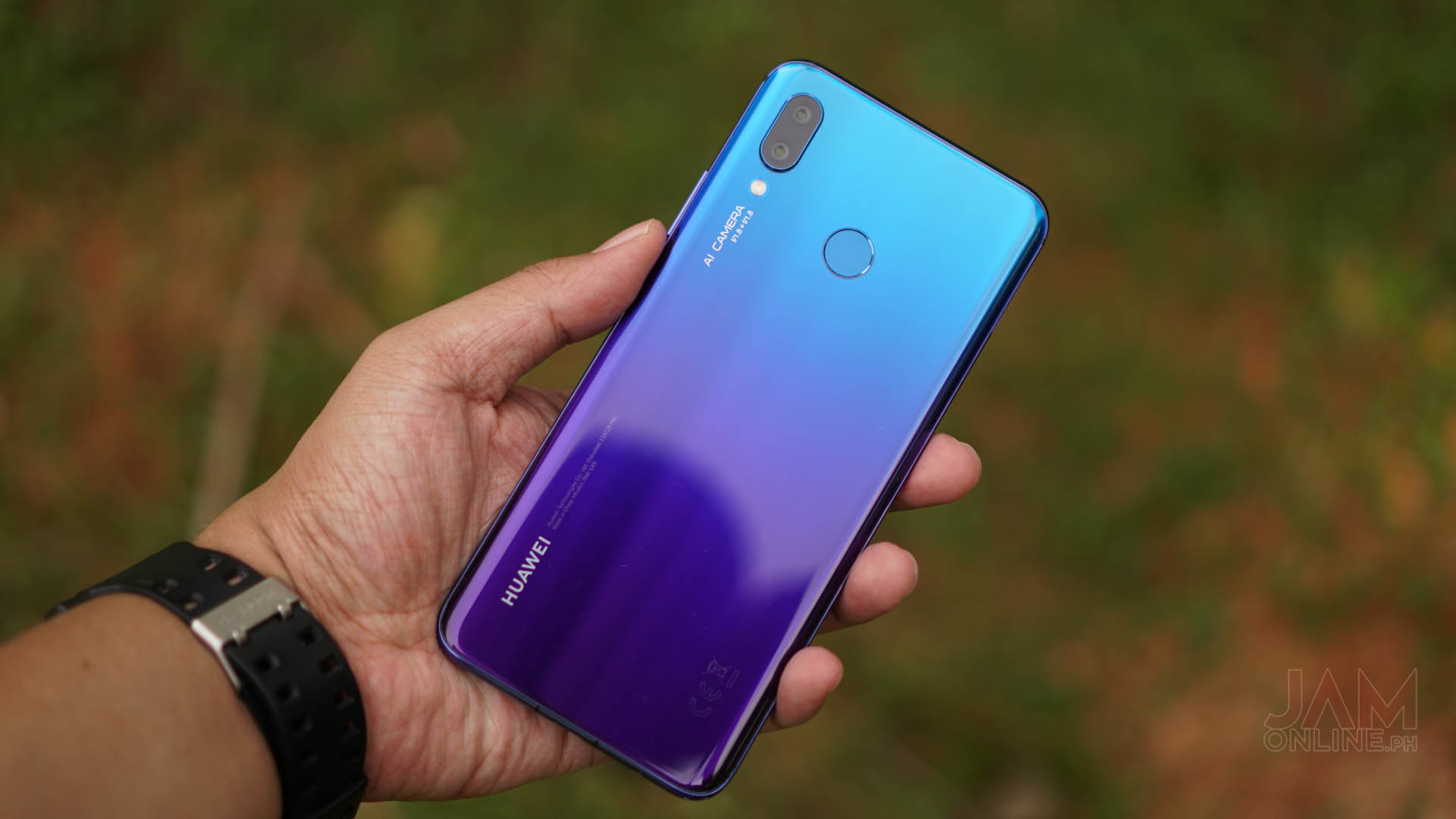
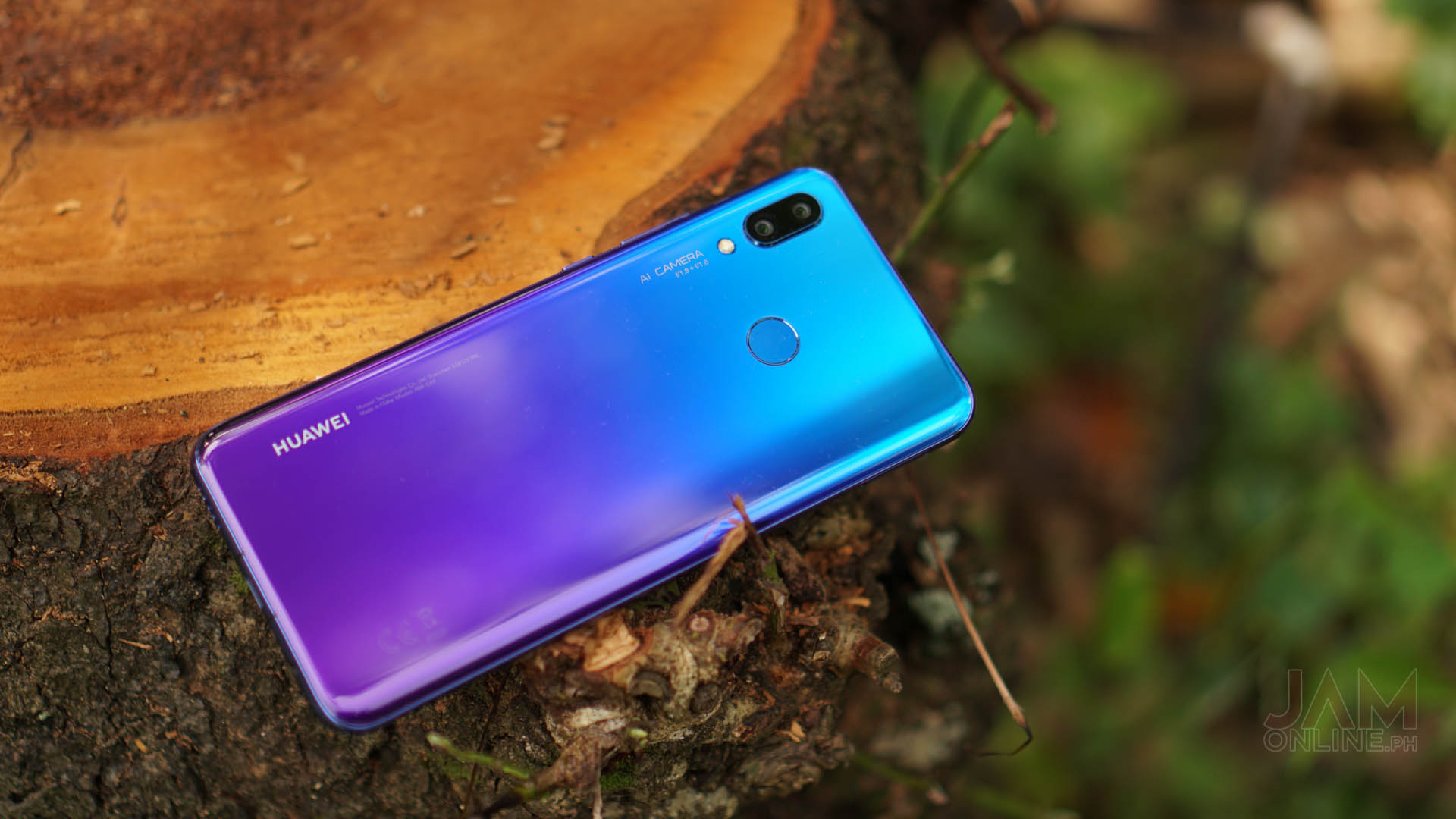
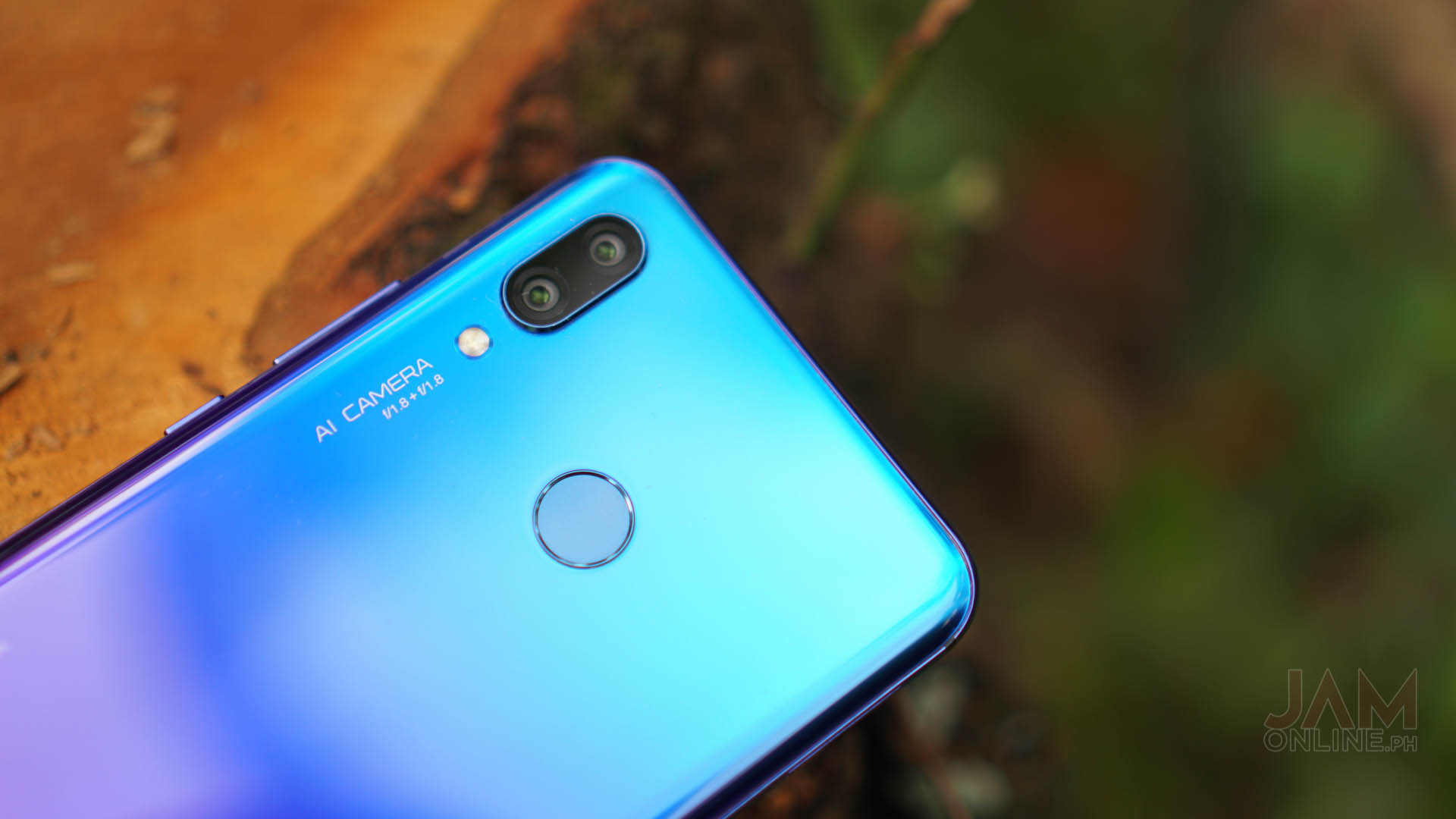
The Huawei Nova 3 is well-designed. You might not notice it but it feels more premium compared to its other brother, the Huawei Nova 3i because of its curved back which also makes the smartphone easier to hold. That feature on the Huawei Nova 3 is also the easiest way to distinguish the Nova 3 from the Nova 3i.
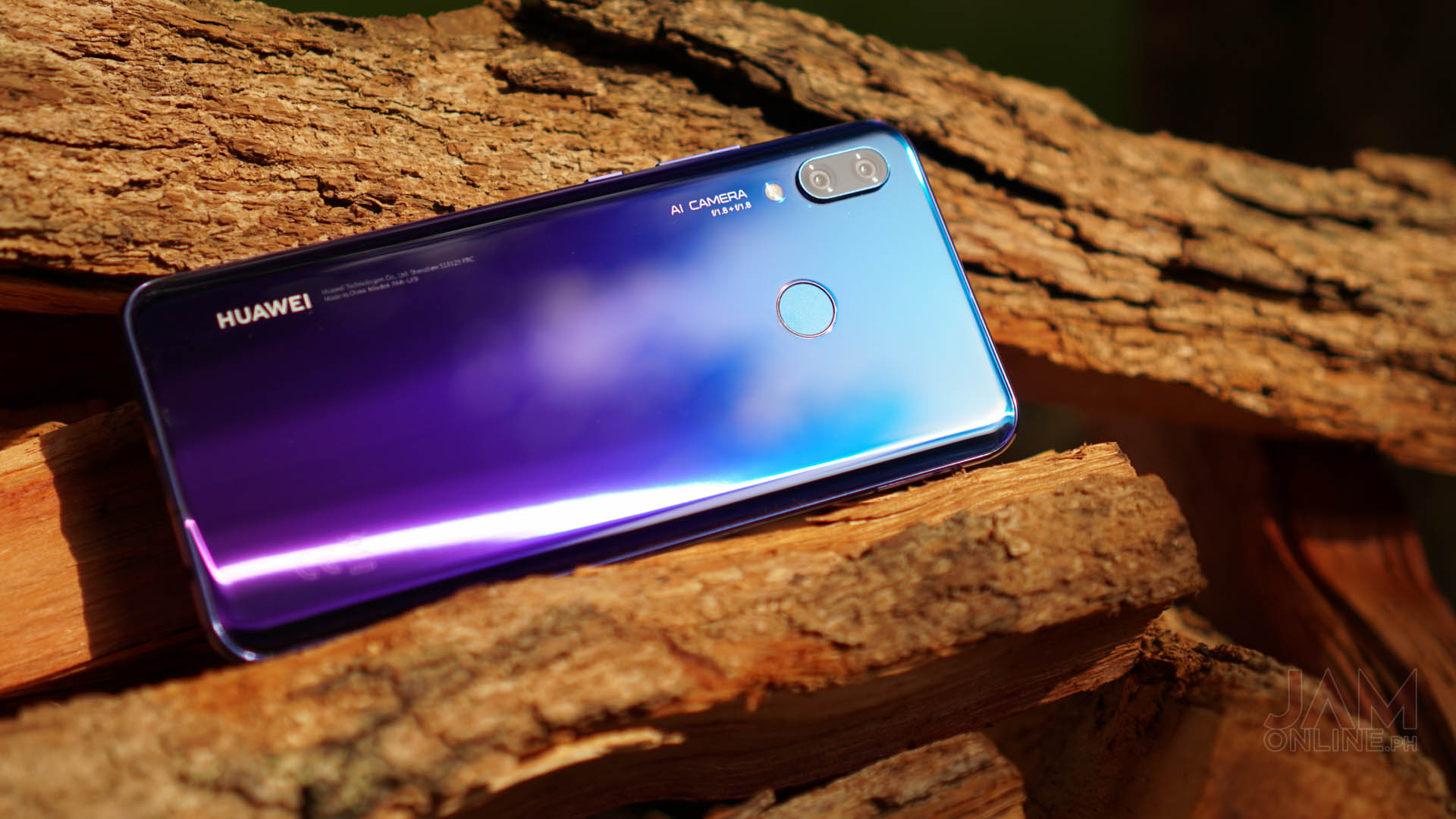
The one that we got for review is the Iris Purple variant and damn, it’s beautiful and it’s sexier as gradient color backs are getting popular these days. Whether you’re into masculine or feminine looking phones, the Huawei Nova 3 won’t let you down with its color.
The button placements are also the same as you can find the volume rocker and the power button of the smartphone is placed on its right side and of course, the smartphone still houses a hybrid card slot similar to the Huawei Nova 3i.
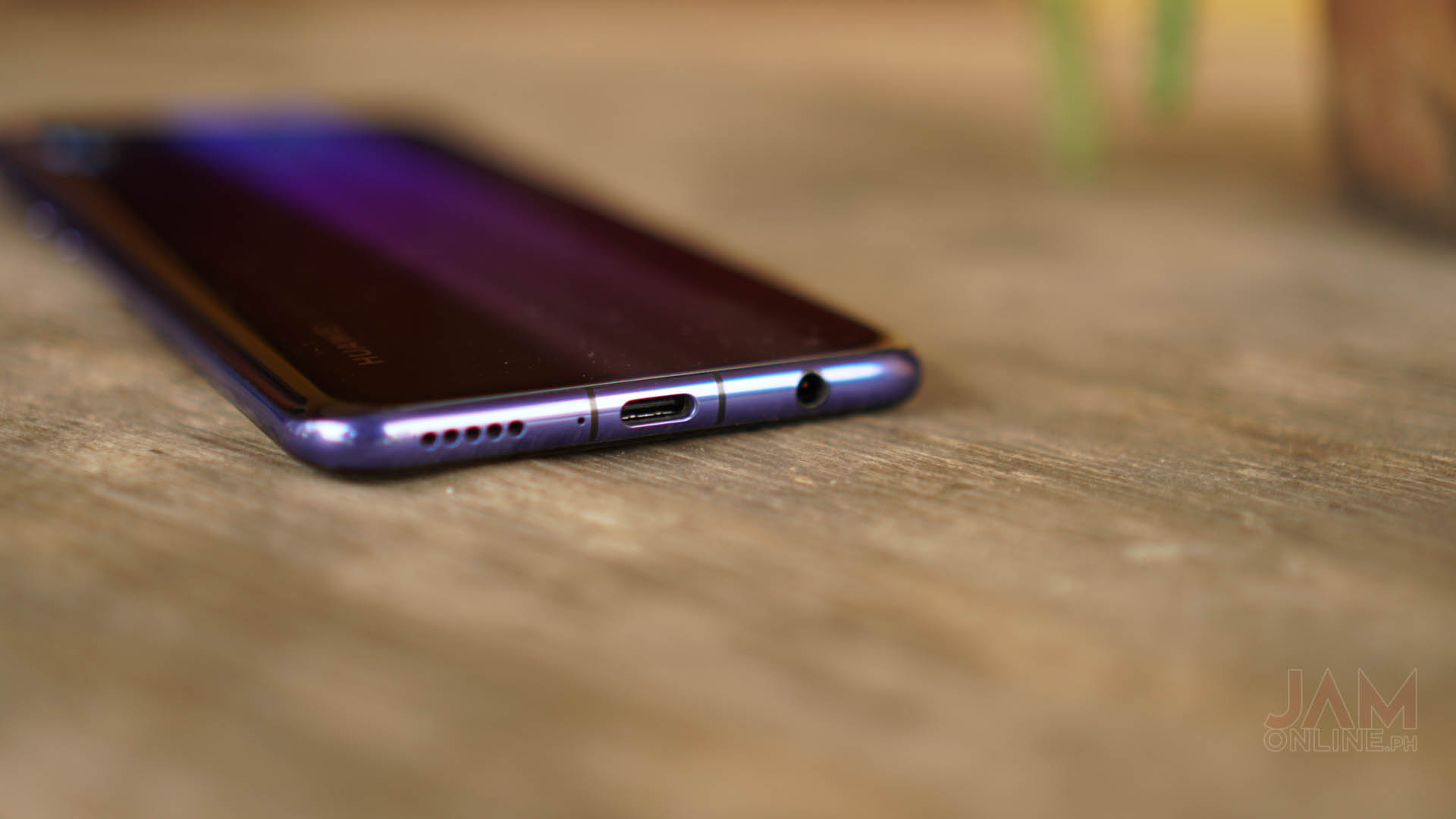
Thankfully, despite having a flagship hardware on the smartphone, the Huawei Nova 3 still managed to have a headphone jack on this one and this time we’re using a USB Type-C instead of MicroUSB which is a welcome feature as this one also features fast charging.
Display
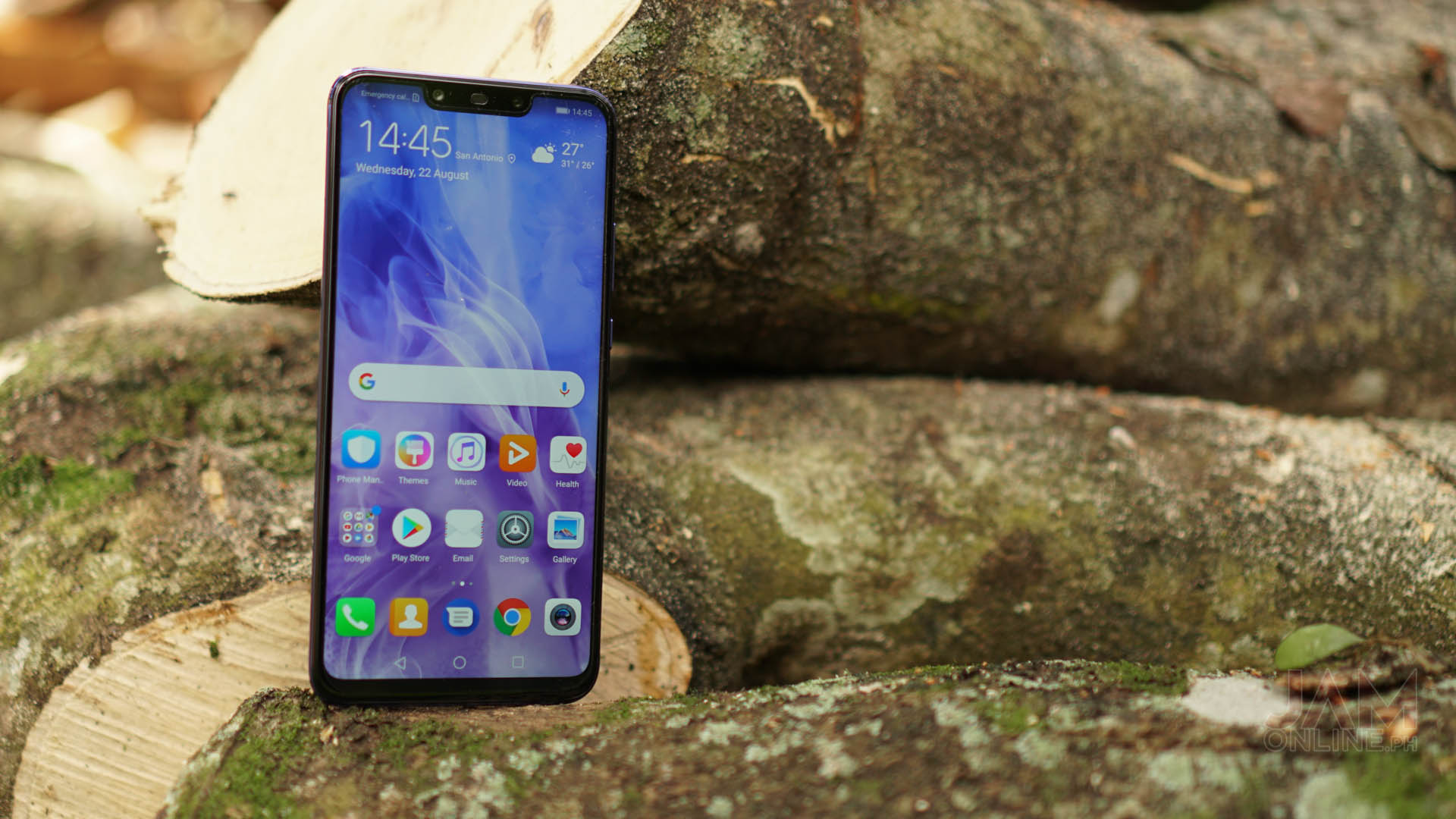
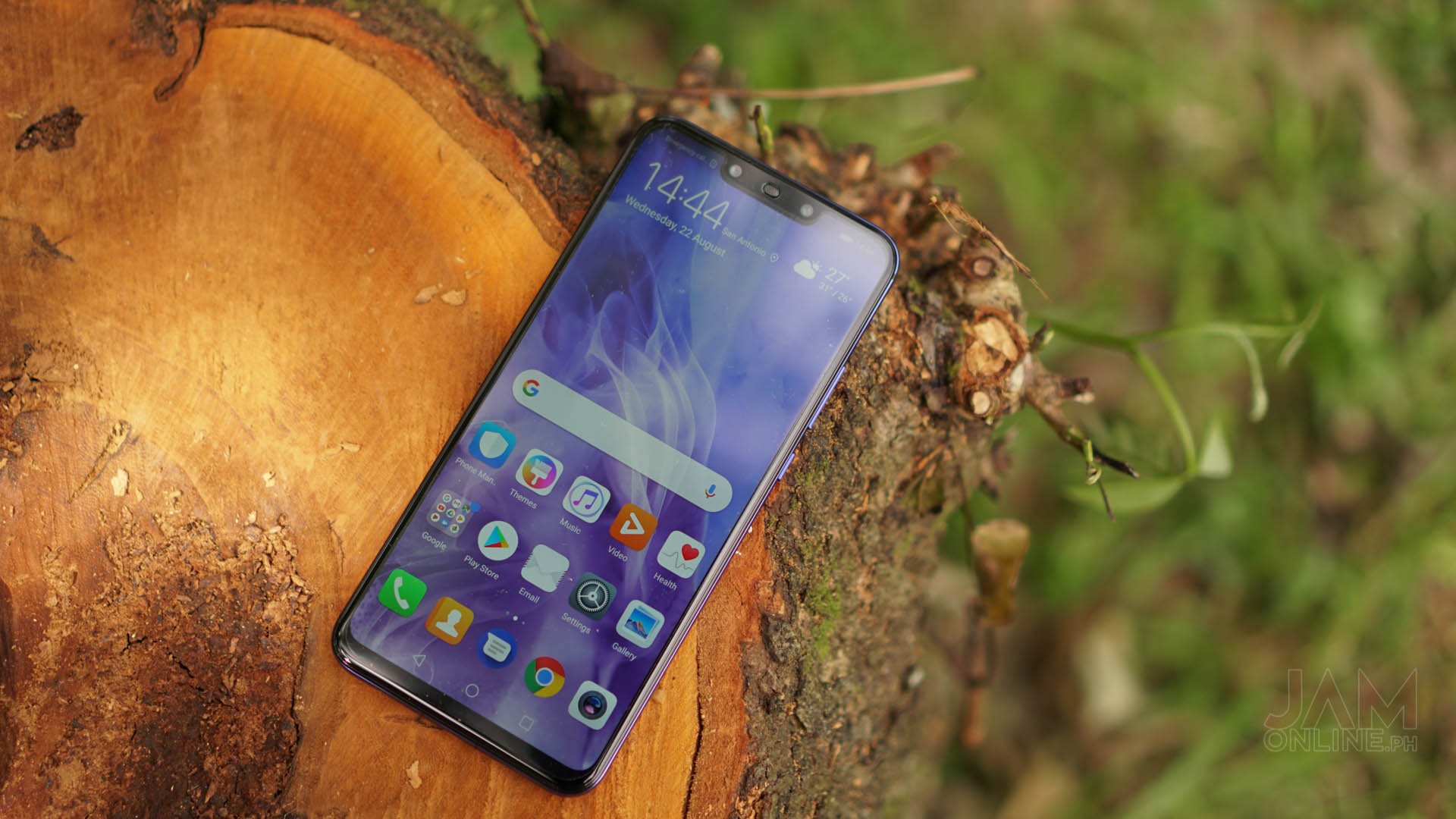
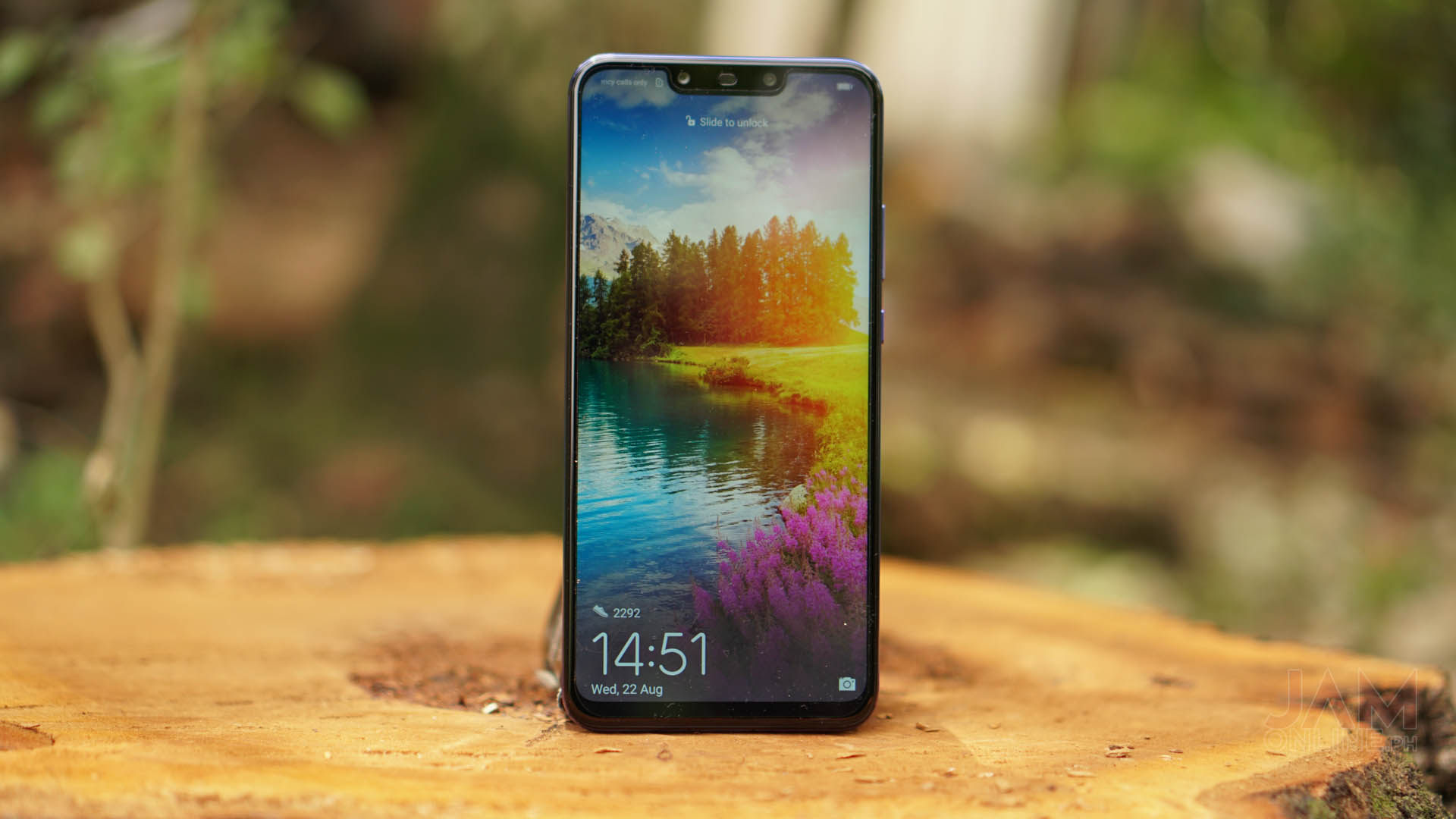
The Huawei Nova 3i features a 6.3-inch Full HD+ IPS display with an aspect ratio of 19.5:9. The display of the smartphone is great but in case you’re not a fan of the notch then you might have a problem with this one but don’t worry because you can turn off the notch of the smartphone at the settings.
Outdoor usage of the smartphone was very good as the display is still crisp and clear and the colors produced by the display was great and really vivid. I didn’t encounter any problem with the notch as most Android smartphones and apps these days are already well-adjusted to that
Battery Life
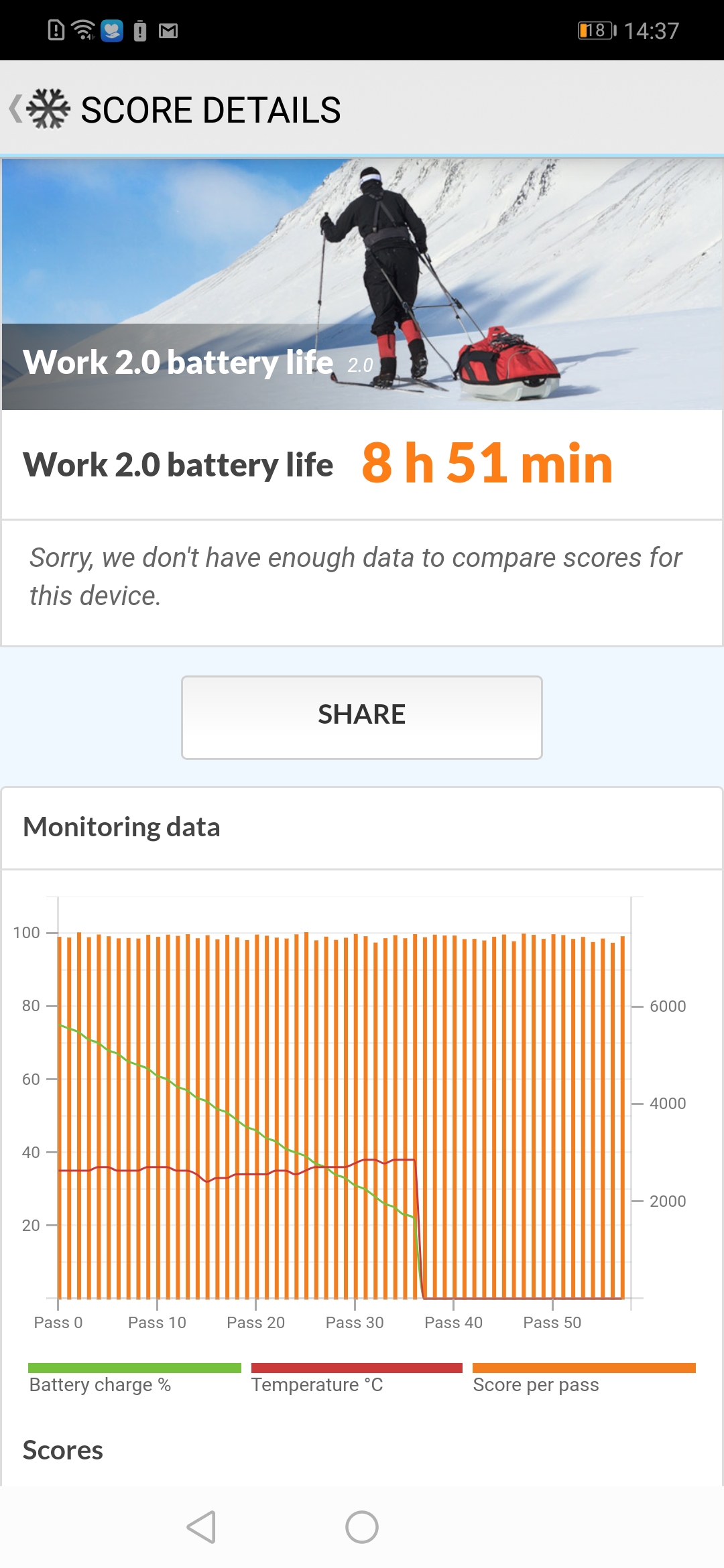
Again, the Huawei Nova 3 has a 3750mAh battery which is really fine. I’ve used the smartphone for a single day of normal usage with mobile data mostly on and I was able to to use the smartphone for a normal workday without looking for a powerbank. But in case you’re curious in our benchmark, we got a score of 8 hours of 51 hours at the PC Mark Battery Test
Software and performance
The Huawei Nova 3 is a mid-range smartphone and yet, it’s running on Kirin 970 CPU which also powered the Huawei Mate 10 series and also the Huawei P20 series. We all know that the processor is capable of AI functionalities and it’s actually great at that and yes, the SoC can really do some gaming and thanks to GPU turbo, we now have better framerates on games like PUBG Mobile and Mobile Legends.
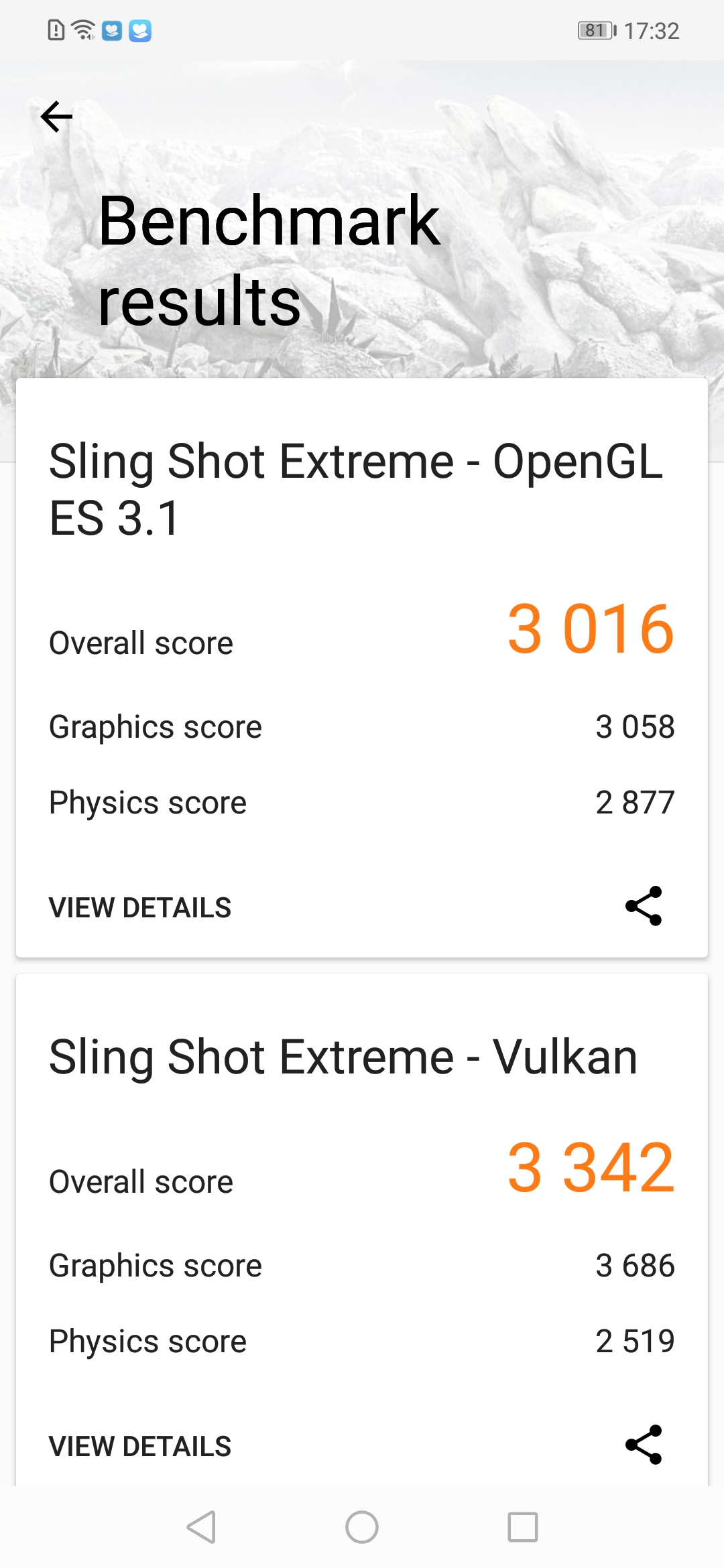
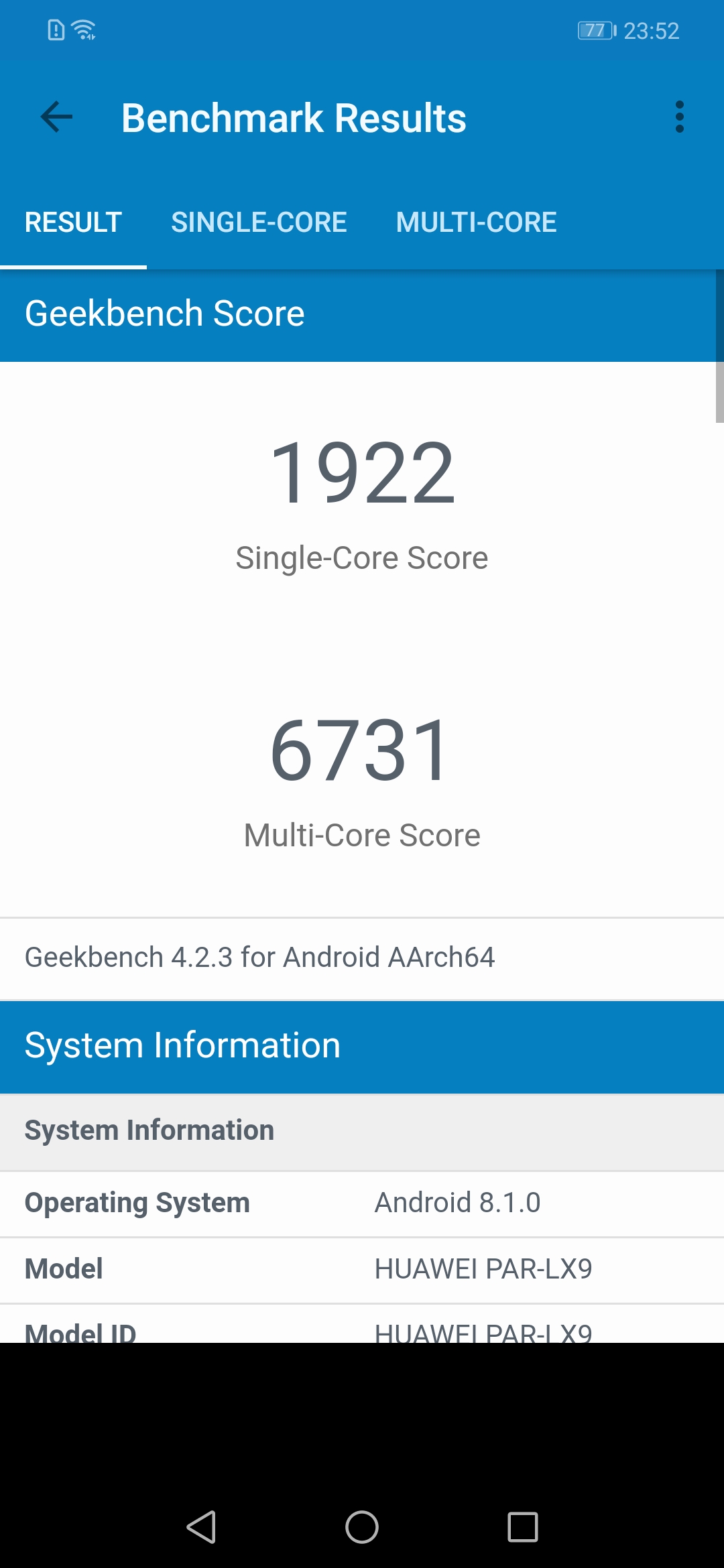
Since we’re running on Kirin 970 processor and 6GB of RAM, there were no problems on the usage of the smartphone as I was able to run most of it without problems. When it comes to performance, the Huawei Nova 3’s Kirin 970 is a big leap from the Huawei Nova 3i and yes, it is noticeable. Check out the benchmark scores that we got from the smartphone below.
3DMarkGeekBenchAntutu
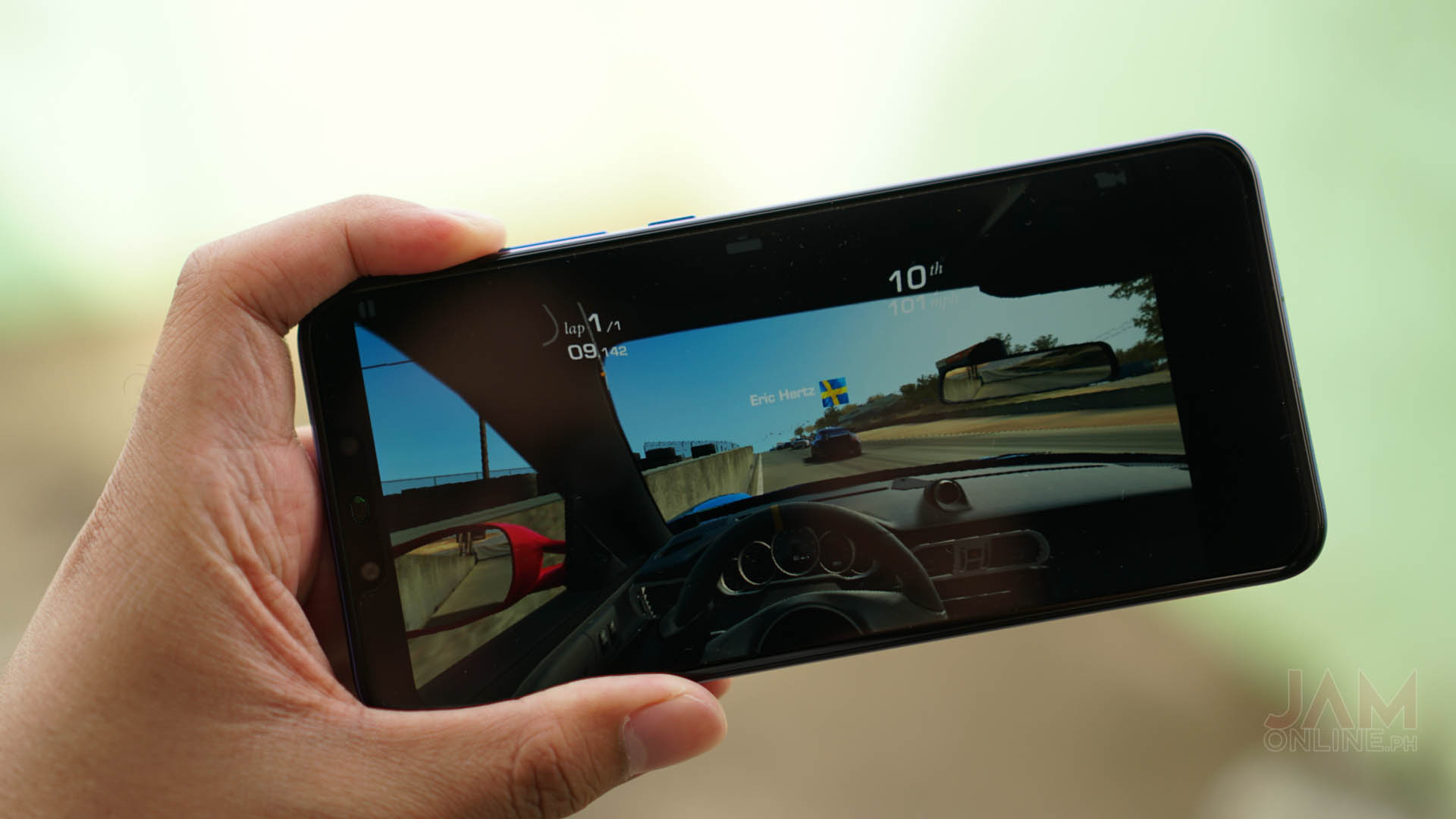
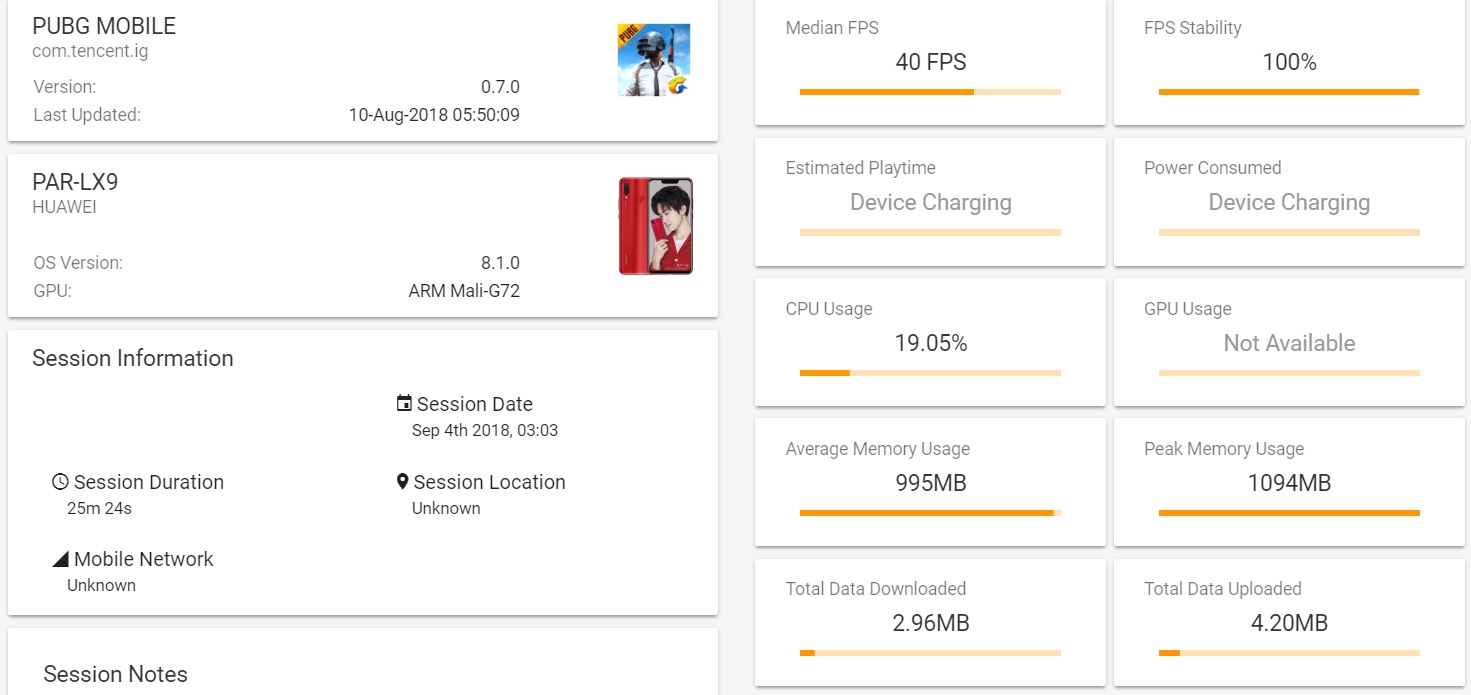
Again, the smartphone is also made for gaming as it is powered by Kirin 970 processor and thanks to GPU Turbo, the smartphone does actually get better framerates on games. Check out the games that we benchmarked using Gamebench.
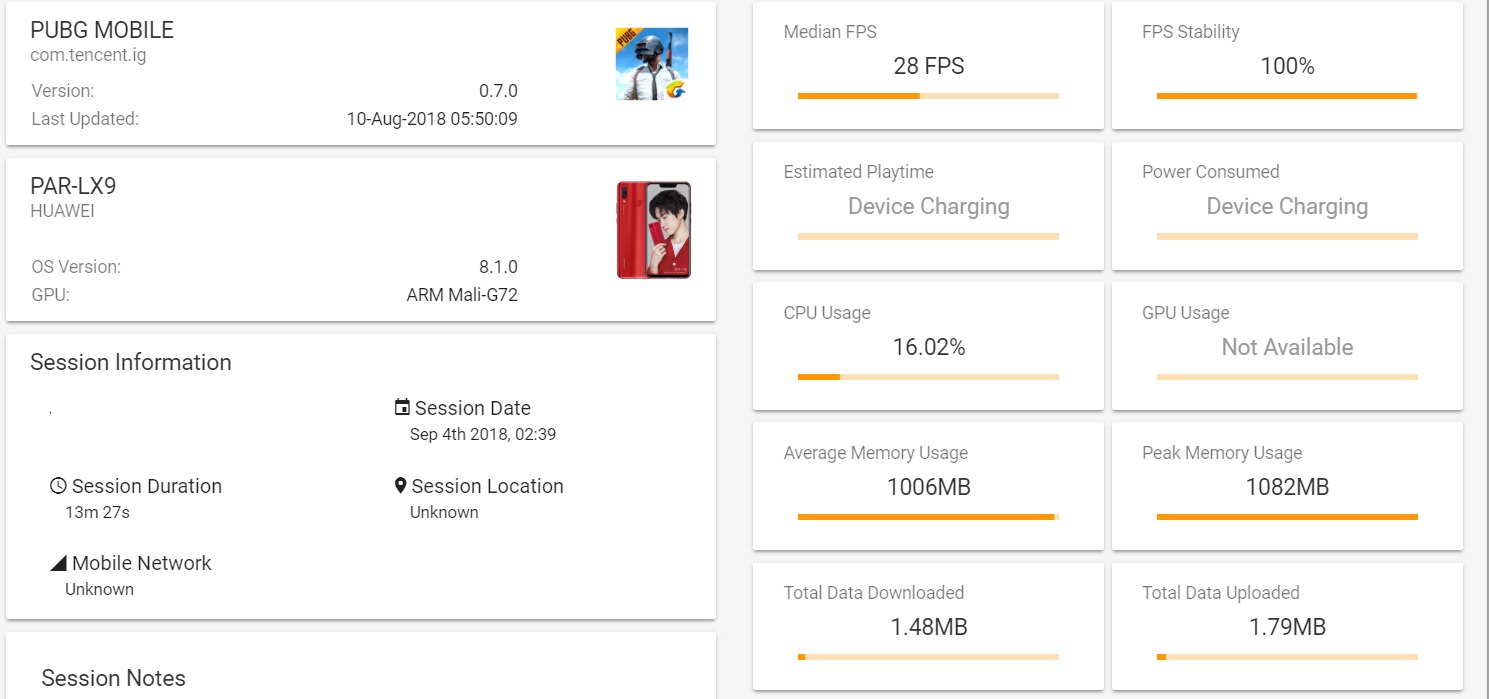
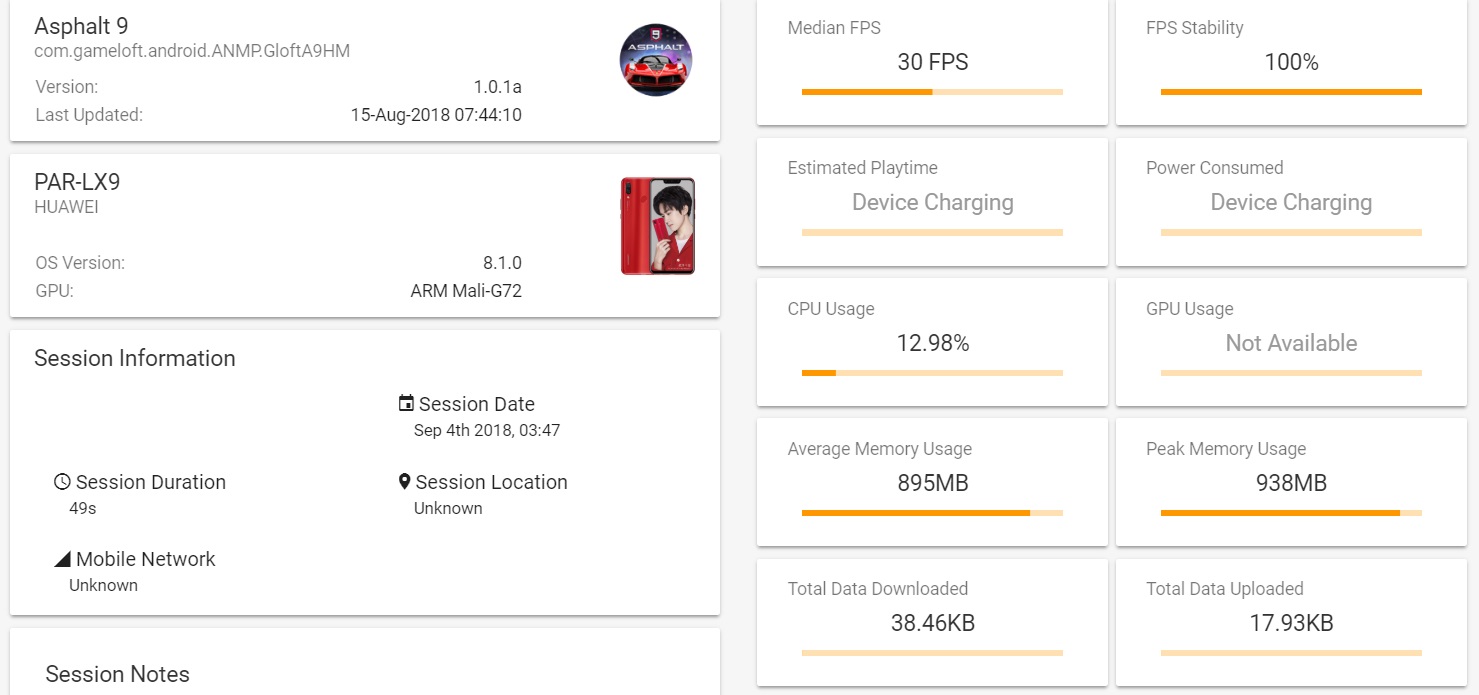
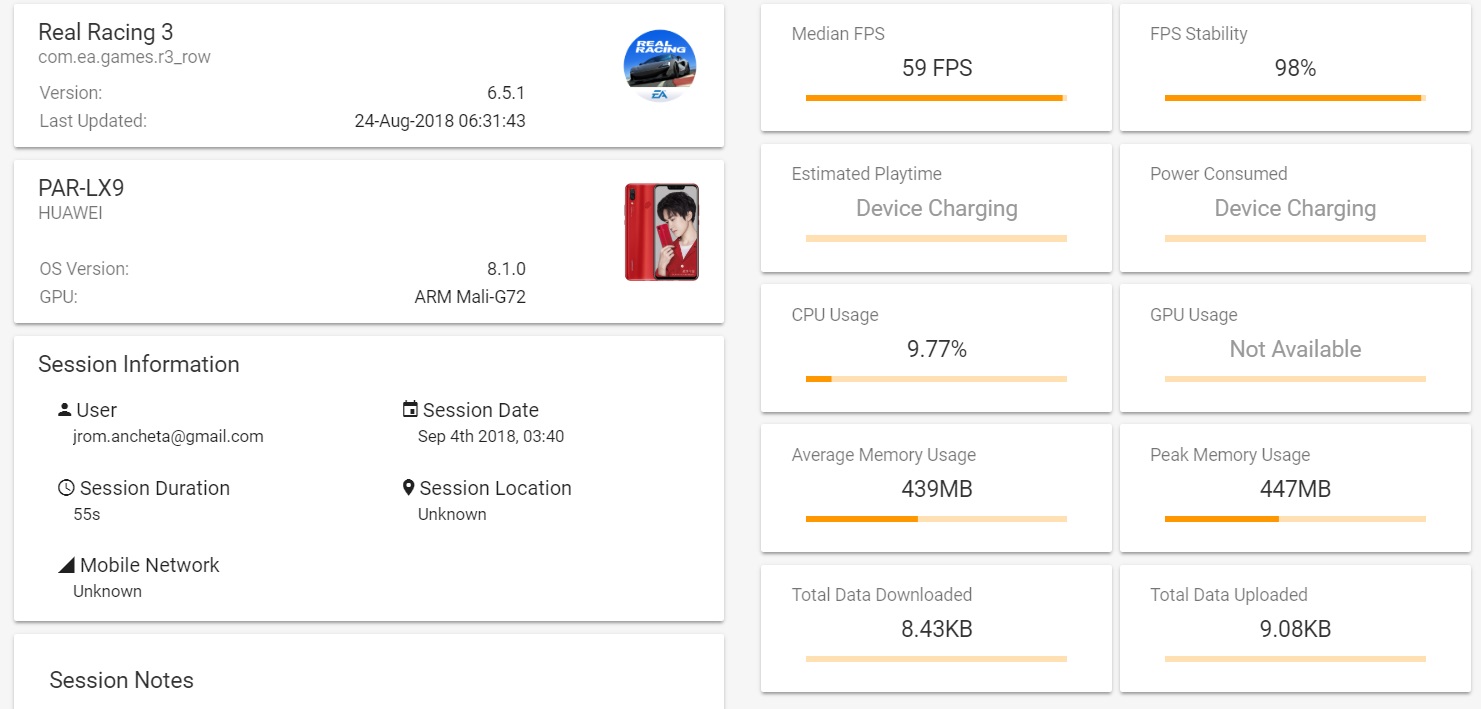
PUBG Mobile with HD Settings with Ultra Frame rates, AA on, GPU Turbo On – We got a pretty good framerates and the FPS was really stable at 40fps.The FPS only drops when there’s a heavy smoke grenades.PUBG Mobile with HD Settings with Ultra Frame rates, AA on, GPU Turbo Off – We’re only running at 28fps. It is strongly suggested that you use GPU Turbo whenever you’re playing the gameAsphalt 9 was pretty stable and it was really playable at 30 fps with 100% FPS stabilityReal Racing 3’s FPS stability isn’t 100% but the game is really playable at 59fps.
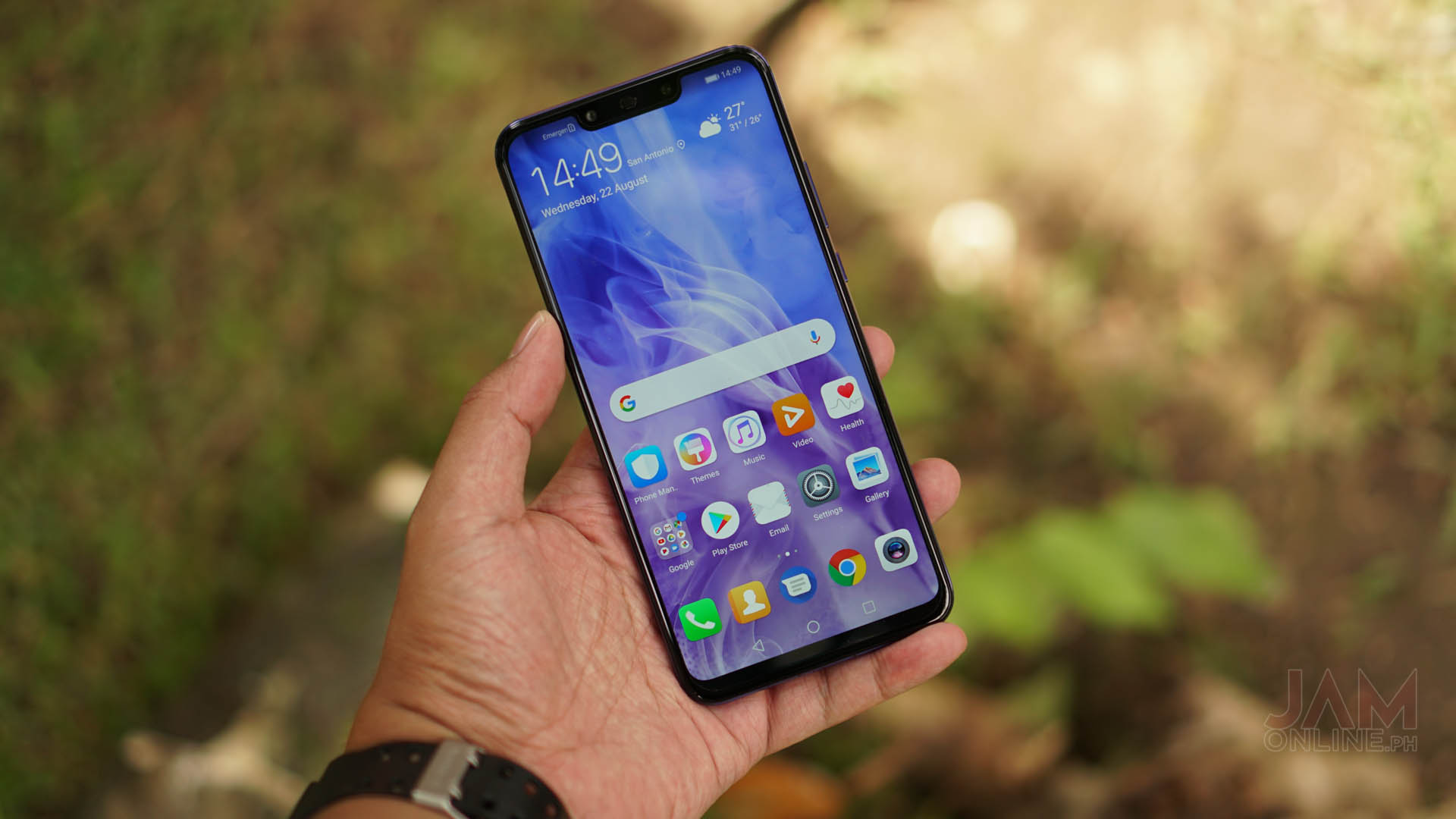
The smartphone’s interface is very similar to other Huawei smartphones. It’s not the neatest nor the sexiest UI design but it was responsive and I really didn’t have any problems when it comes to navigating the smartphone, however, I found it a little bit annoying that the smartphone does come with a lot of bloatware.
Oh, and you won’t any problems with its storage by the way as the Huawei Nova 3 features a 128GB of Internal storage which is probably more than enough for most people.
Camera
The camera of the Huawei Nova 3 is the biggest feature that sets apart this smartphone from the Huawei Nova 3i and actually, this is my most favorite feature of this smartphone. The Huawei Nova 3 features a 16-megapixel rear camera with f/1.8 aperture plus a 24-megapixel secondary camera which is a monochrome. This setup has been seen before on the Huawei Mate 10, Mate 10 Pro, P20, and the P20 pro.
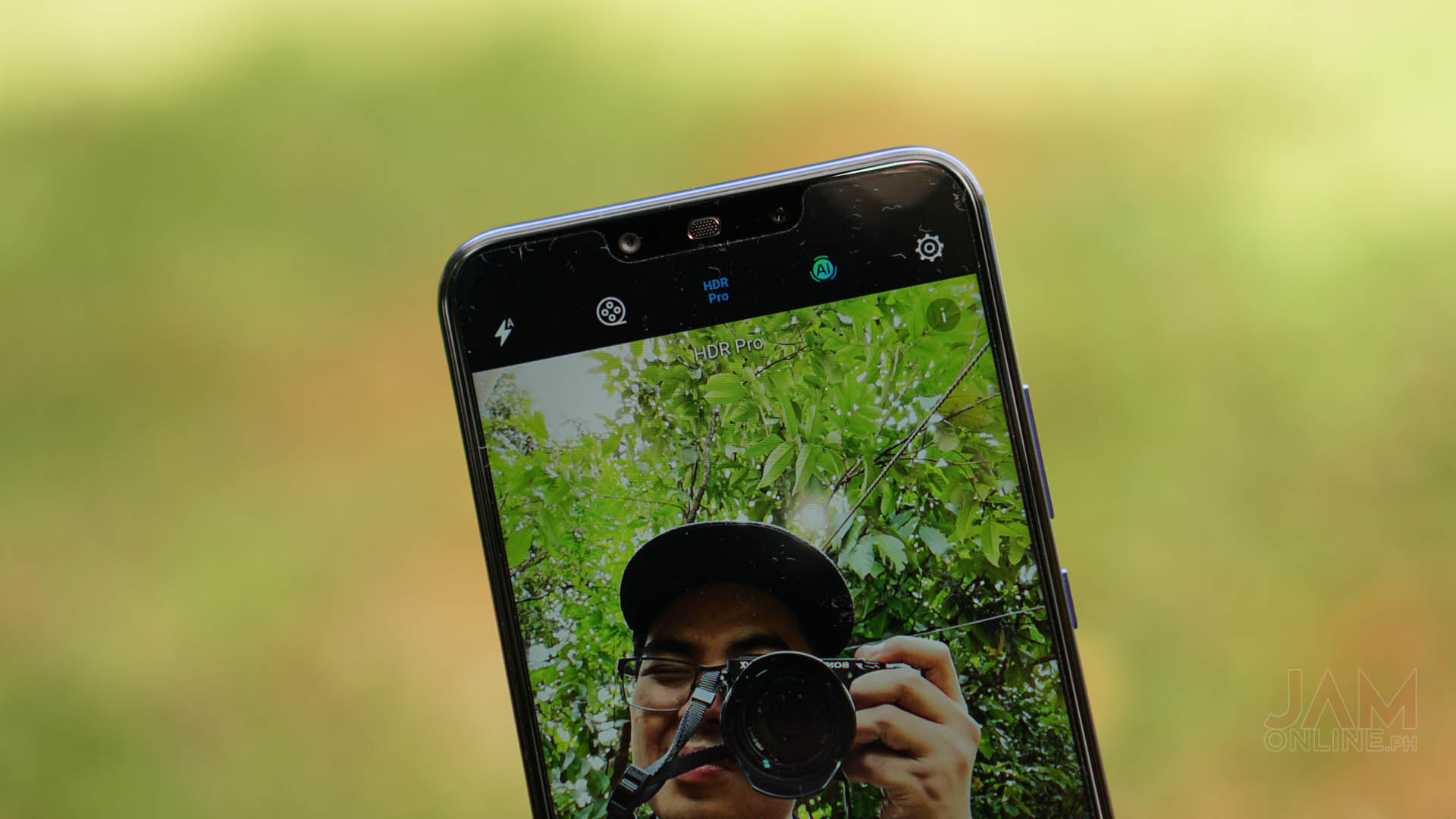
There’s the AI-assist feature too but again, the AI for the camera of the smartphone isn’t as good as the one on the Huawei P20 series but thankfully, it’s easy to turn on and off the AI function on the camera of the smartphone. Most of the time I turned it off as using the AI is actually hit and miss but when I mostly shoot flowers and landscapes, the AI mode of the camera of the Huawei Nova 3 is really helpful.
Most of the shots that I took were really great and it is comparable to the Huawei P20. Check out the shots that I took using the Huawei Nova 3 and be the judge of these photos.
IMG 20180813 123702
IMG 20180822 140102
IMG 20180822 140138
IMG 20180822 140331
IMG 20180822 140444
IMG 20180822 140659
IMG 20180822 140750
IMG 20180822 141040
IMG 20180822 145606
IMG 20180823 172213
IMG 20180827 235259
IMG 20180827 235434
IMG 20180828 182922
IMG 20180828 203226
IMG 20180829 214720
IMG 20180828 204003
Verdict
The Huawei Nova 3 surprisingly made it to my personal favorite smartphone of 2018. It doesn’t have the best specifications or the cheapest price but the Huawei Nova 3 break the barriers by being a midrange smartphone and yet, offers a flagship hardware and experience.
The Huawei Nova 3 is very good in all aspects – performance, design, camera, battery, and even the camera. It might not have the same camera and the Leica branding of the Huawei P20 but this one definitely acts like a flagship smartphone and holy smokes, the 128GB internal storage of this smartphone is really spacious.
Overall, the Huawei Nova 3 is a great smartphone. It’s only a mid-range smartphone but it’s acting like a flagship smartphone. The design of the smartphone is eye-catching and everything about the smartphone is really awesome. The Huawei Nova 3 is now available for Php25,990.
The Vivo V11 hasn’t been released yet in the Philippines but you can now get a chance to win the smartphone with its latest promo. A lot of people believe that 11:11 is the perfect to wish for something and Vivo is giving a chance to win their next mid-range smartphone.
All you need to do is to upload a selfie with an 11:11 digital clock or analog clock as long as there’s the time that says 11:11 am/pm with your #MakeAWish caption to qualify.
There will be two weekly winners for the promo and the grand winner will win a brand new Vivo V11 while the 1st runner up will receive a special Vivo gift set, Vivo notebook, and Little V stuffed toy.
Participants may be able to submit more than 1 original entry per account while same entries shall be considered only as one entry however you may submit multiple unique entries provided that the photo and the caption are unique.
The selection of the winners will be held at the Vivo office every Thursday 3 PM.
Freenet will be having a freenet concert for the Filipinos nationwide in its 3rd anniversary. Yep, they’re giving away tickets to netizens for a concert with the most requested artists of today in the Freeniversaya: A FREEnet concert.
The concert will be held at SM MOA Arena in Pasay City on September 20, 2018, and the hottest OPM artists will be there including Bamboo, KZ Tandingan, Moira Dela Torre, Shanti Dope, Gloc 9, Ben & Ben, and Hashtags
So how can you get a ticket? It’s actually easy and FREE! All you need to do is to download the freenet app, register, and complete missions inside the app to earn freenet points. The more freenet points that you earn, the better seats you can get at the concert which you can use to redeem tickets in the free in-app freenet shop.
For 100 freenet points, you can get to the general admission area, you can get top the upper box tickets with your 200 freenet points and 500 freenet points for the lower box tickets while the VIP 2 area is earn if you have 900 freenet points. But if you want to get closer, you can get the VIP 1 tickets for 1,000 freenet points and the VVIP ticket for 10,000 freenet points in where you can also get a chance to hangout at the backstage during the concert.
But of course, the fun doesn’t end there as Freenet will fly in three lucky freenetizens and their plus 1 from Luzon, Visayas, and Mindanao for the ultimate Freeniversaya experience complete with roundtrip ticket, hotel accomodation, and VVIP freeniversaya concert ticket to boot.
But in case you’re interested about the Freenet app, you can now download it on the Play Store and the App Store and experience freebies from different applications and visit websites including Jam Online for free!
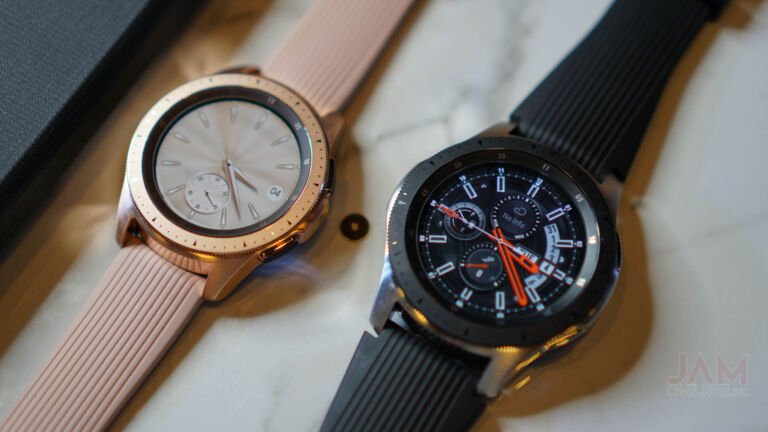
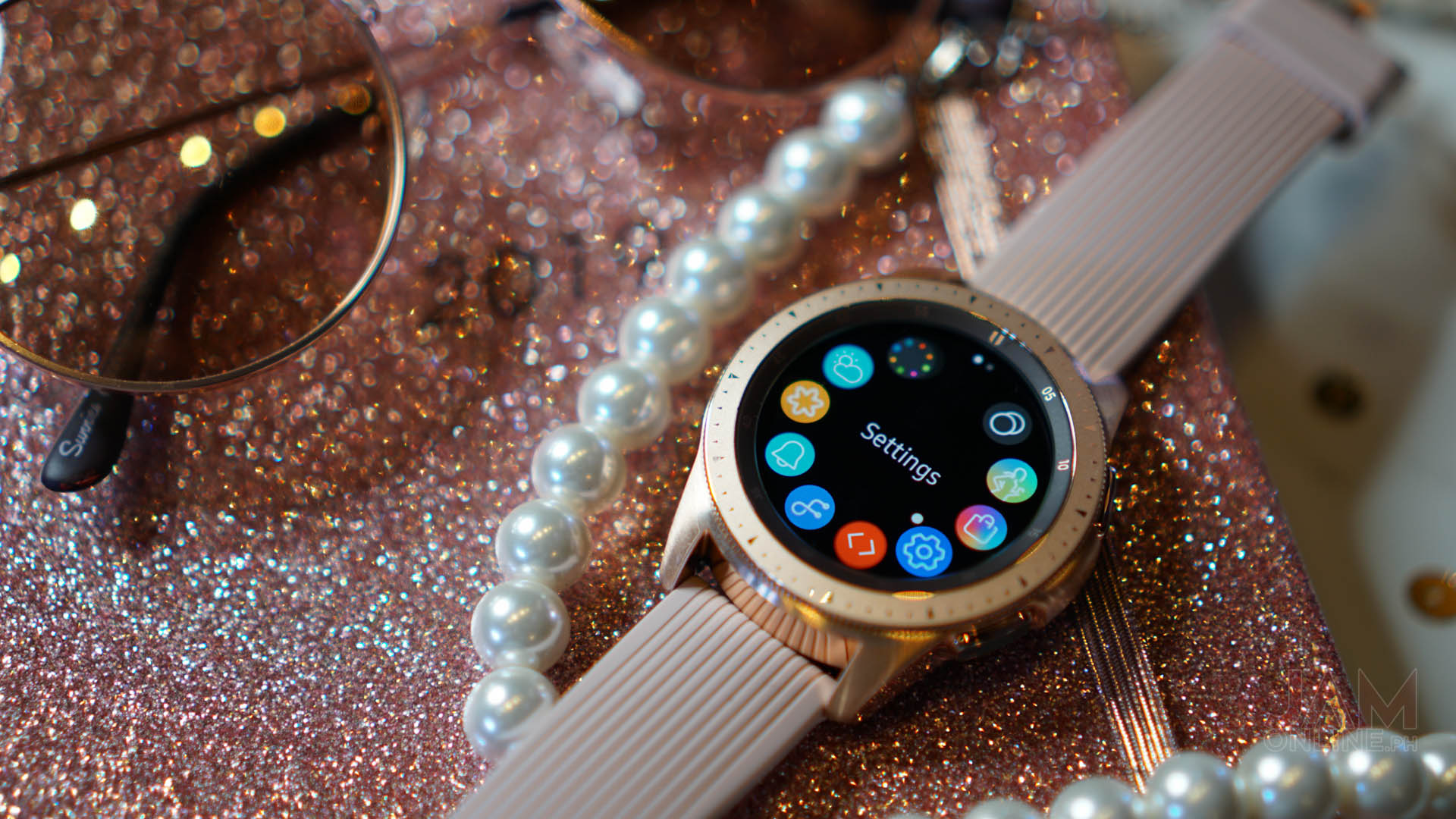
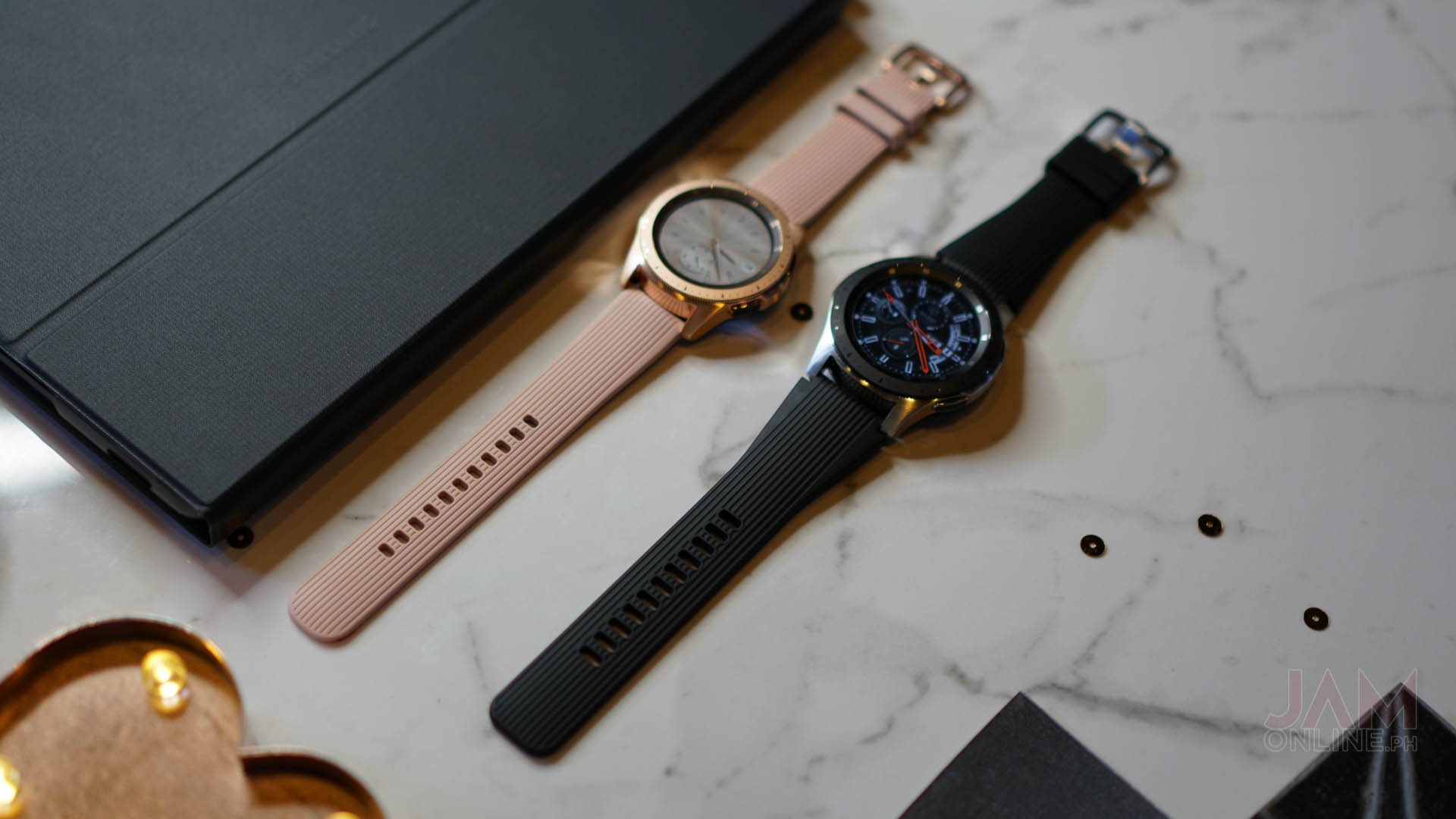
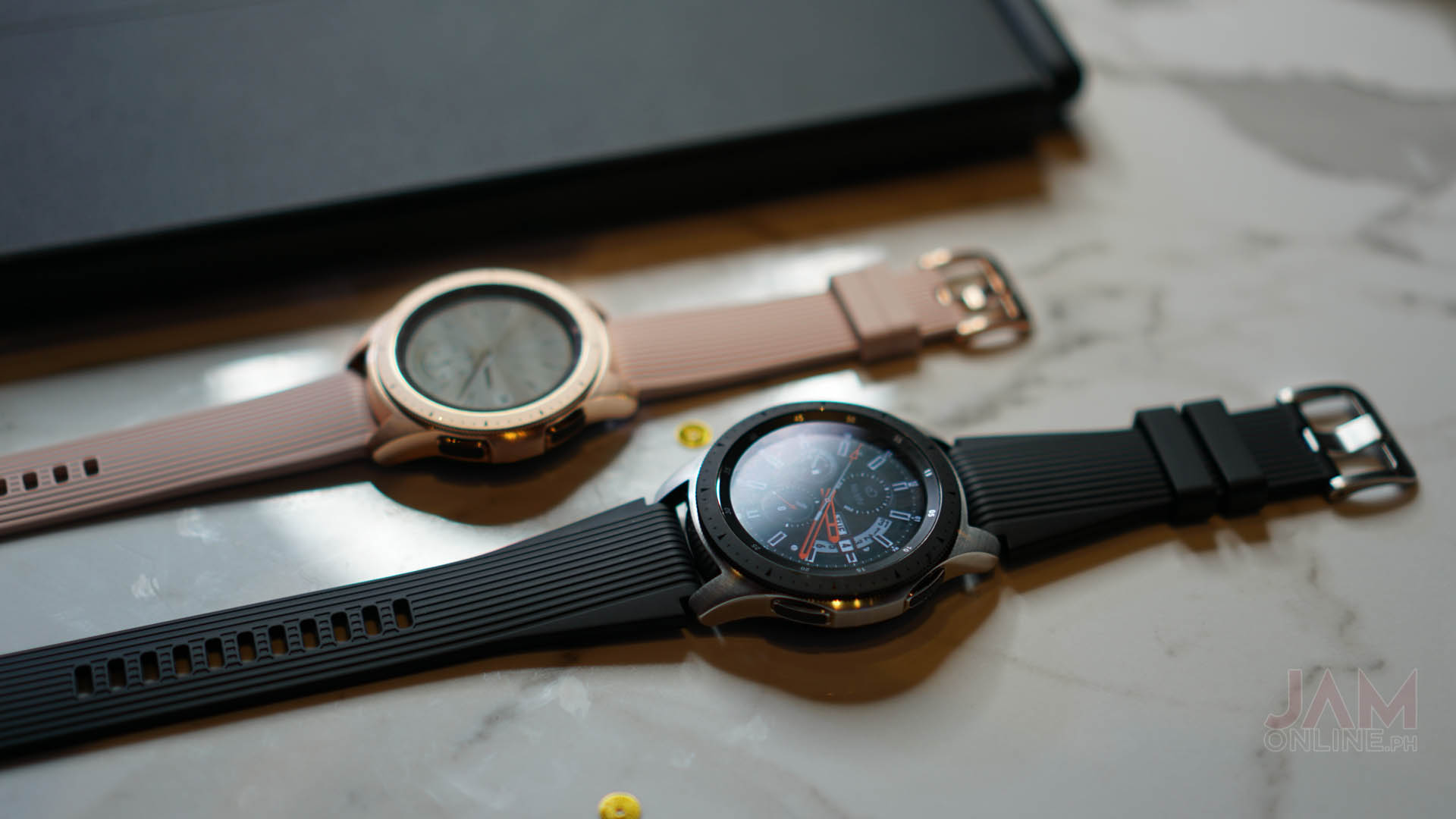
Samsung Philippines has also launched their newest accessory for their smartphones, the Samsung Galaxy Watch. Unlike their previous generation watches, the Samsung Galaxy Watch is a better ecosystem and it now packs a long-lasting battery life. Interested? Check out the features of the Samsung Galaxy Watch below.
First of all, the Samsung Galaxy Watch features an improved battery life with 80+ hours of battery life which will lessen the need for you to charge your watch daily. Not only that, it also features a new stress management tracker that can detect the level of your stress and of course, offer to breathe exercise to keep you focused, a sleep tracker to monitor your sleep including REM cycles and of course, adjust your sleeping habits
The Galaxy Watch basically helps you improve your health and your lifestyle and with its ecosystem, you’ll be sure that there will be apps that will support on your Galaxy Watch and of course, it would be better if you’re using a Samsung smartphone.
The Samsung Galaxy Watch will be available on September 14 and it will come in 46mm in silver and 42mm in rose gold with an SRP of Php16,990 and Php15,990 respectively.
Samsung Galaxy Watch Specs
1.2” (30mm), Circular Super AMOLED (360 x 360) (42mm)
1.3” (33mm), Circular Super AMOLED (360 x 360) (46mm)
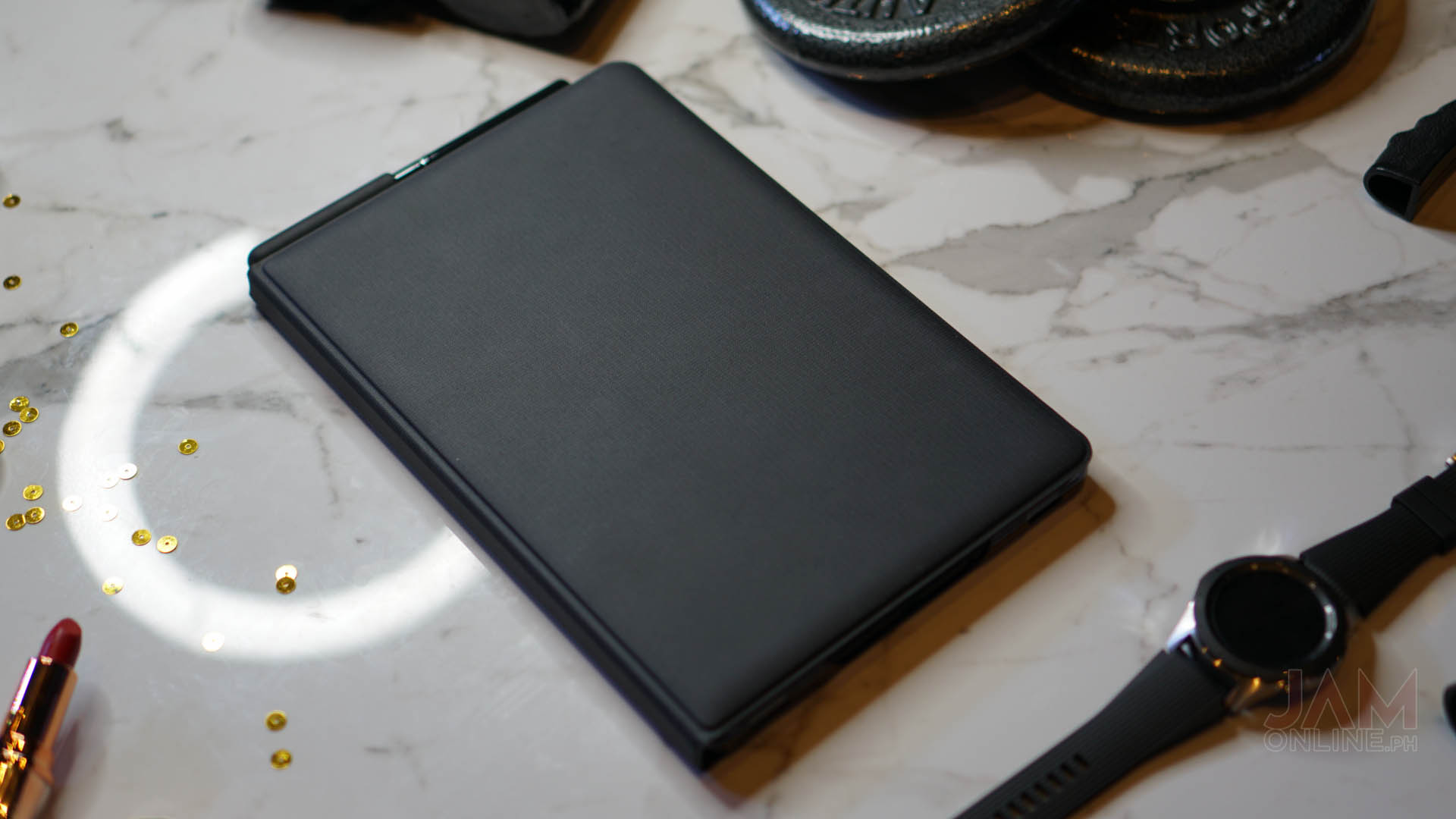
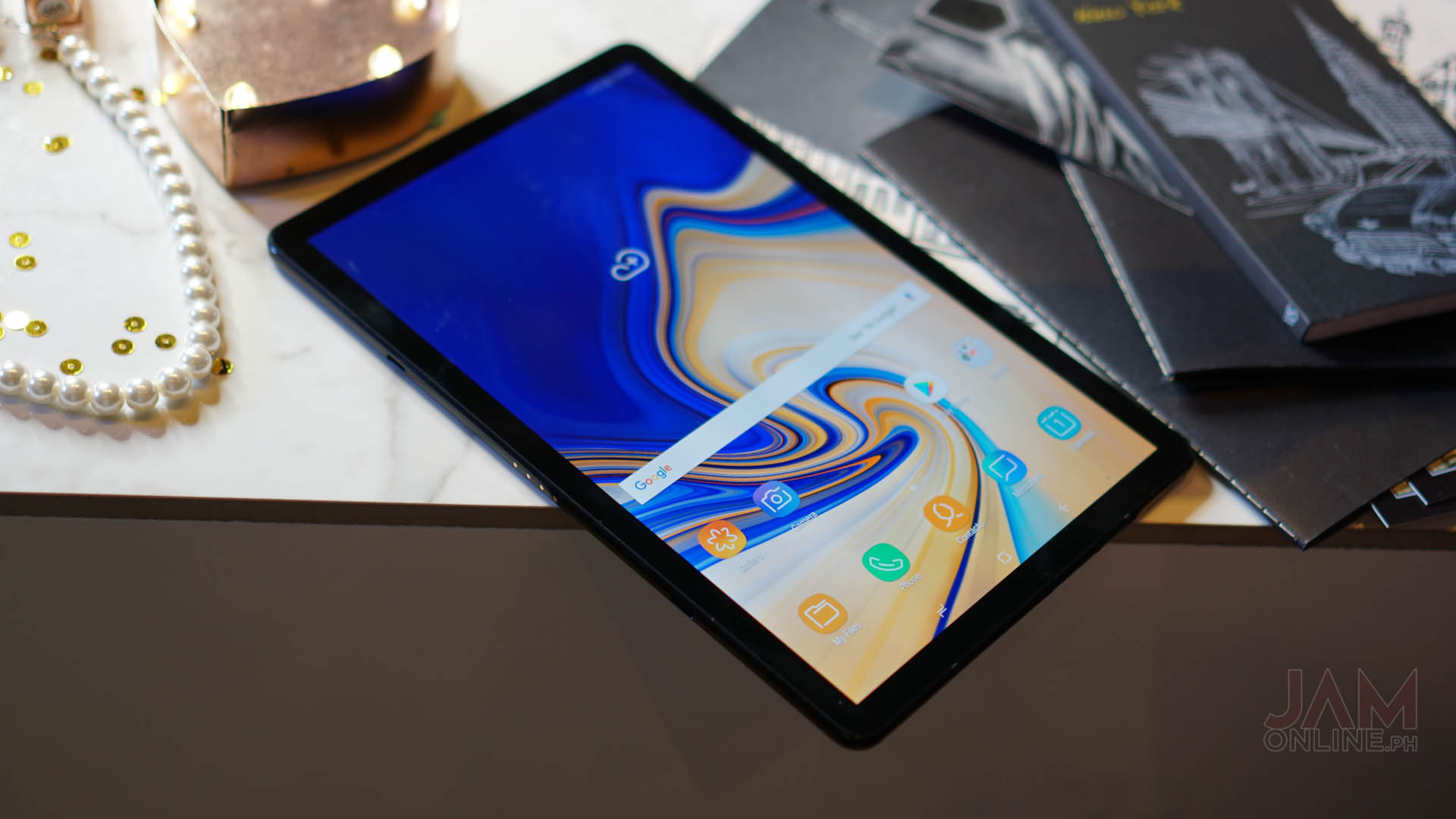
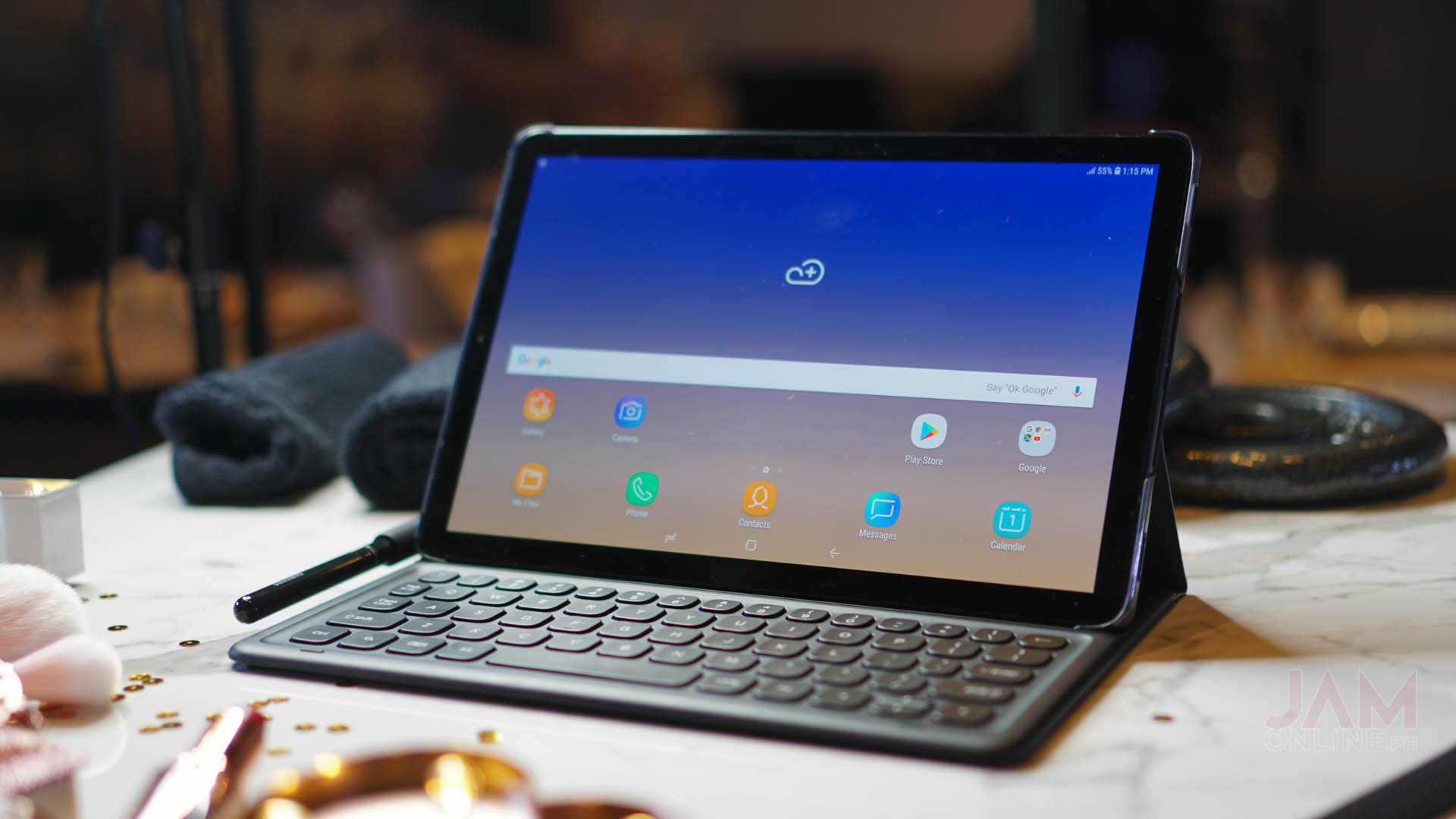
The Samsung Galaxy Tab S4 was previously announced days before the launch of the Samsung Galaxy Note9. The tablet doesn’t have the same specifications as the Samsung Galaxy Note9 but this one is still powerful too and it packs Samsung DeX which enables you to have a desktop UI on your tablet for better productivity and work interface and of course, this one has a support for a dedicated POGO keyboard.
Samsung Galaxy Tab S4 Specs
10.5-inch WQXGA 2560×1600 Super AMOLED display
Qualcomm Snapdragon 835 Octa-Core Processor
4GB RAM
64GB Internal Storage expandable via MicroSD
13MP AF + 8MP Camera
USB Type-C
POGO Plugs for the Book Cover Keyboard
GPS, GLONASS, BEIDOU, GALILEO
7300mAh with Fast Charging
Android 8.1
S-Pen with Bluetooth
The Samsung Galaxy Tab S4 is actually great whether you’re into gaming, media use, or for work. As the display of the tablet is really crisp and then there’s the AKG speakers and powered by Dolby Atmos.
The biggest feature here probably is the Samsung DeX which allows you to have adjustable windows and a more desktop-like interface.
The Samsung Galaxy Tab S4 will be available in Ebony Black and Fog Grey colors for Php44,990.
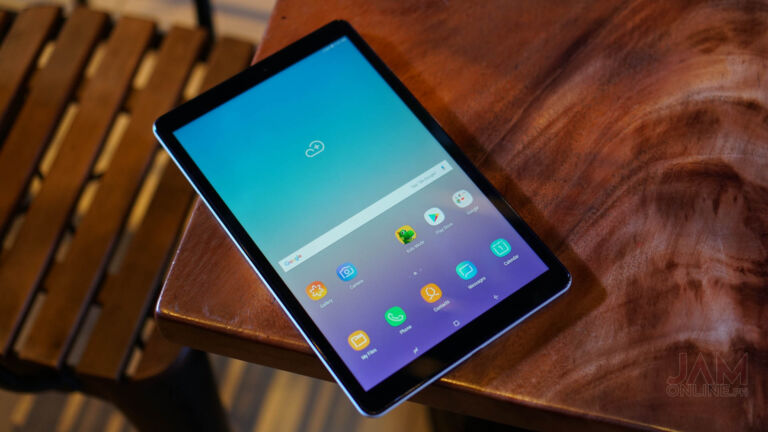
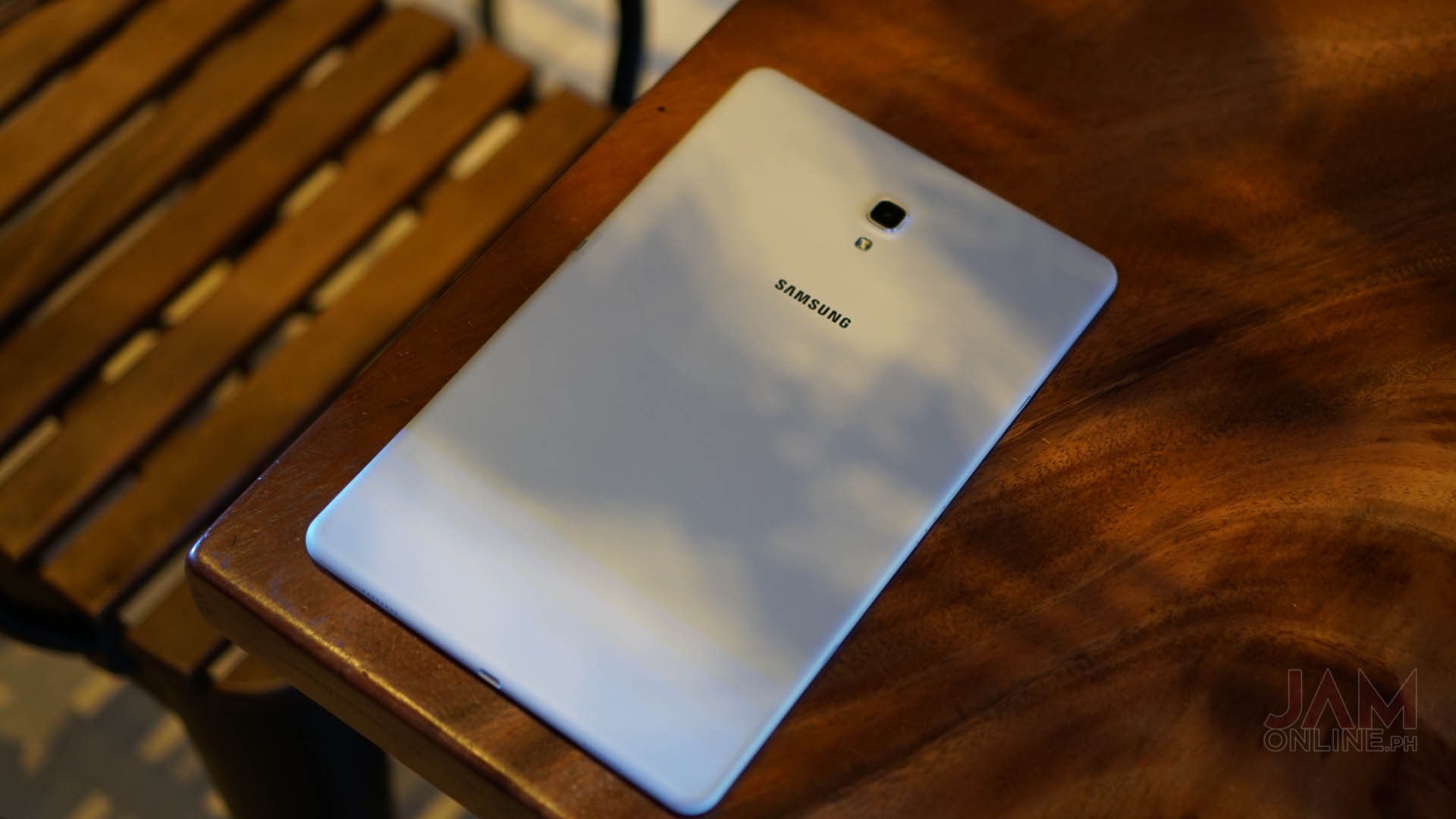
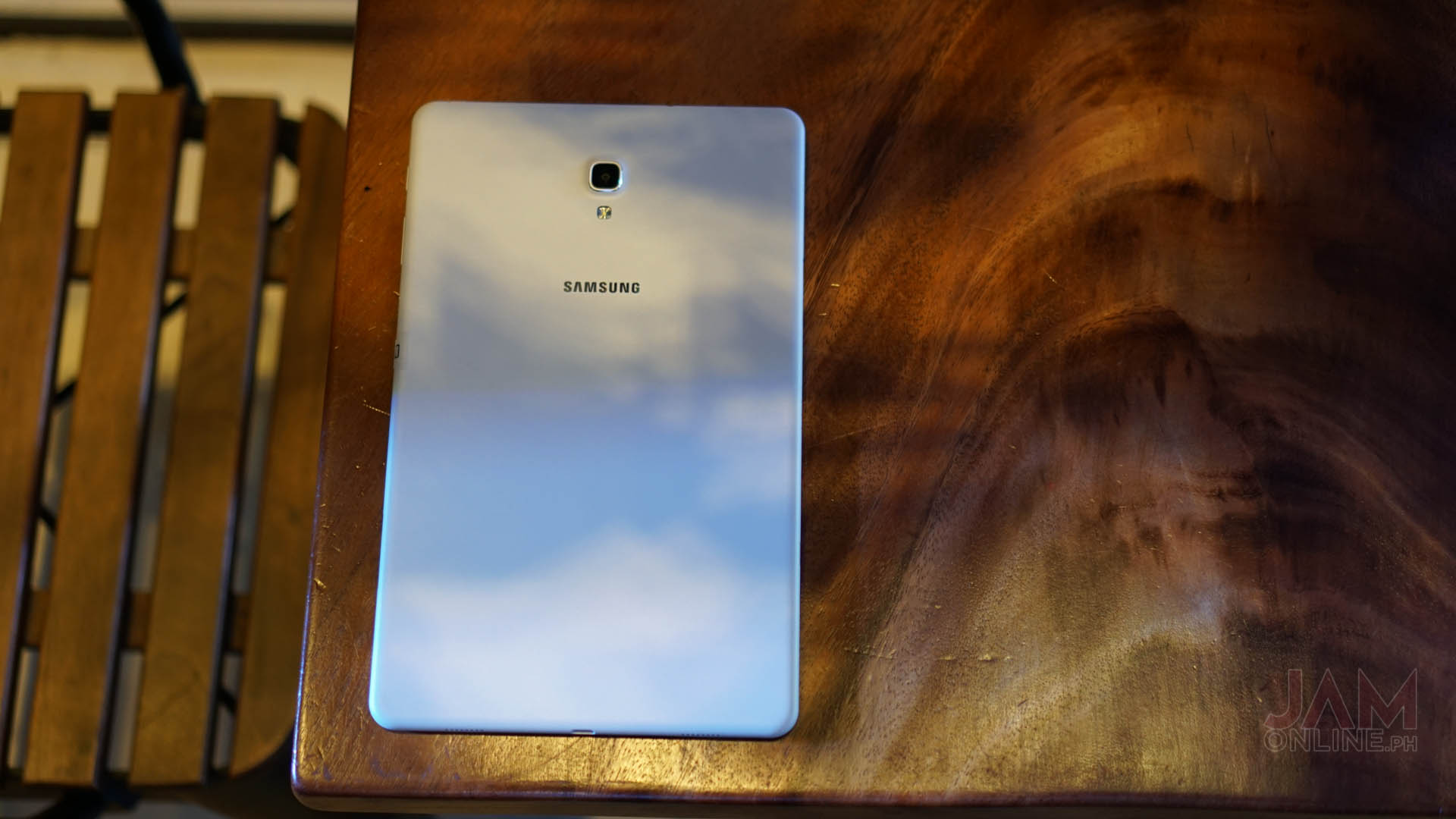
Samsung has launched their newest tablet in the Philippines, the Samsung Galaxy Tab A 10.5. It’s their latest tablet and it’s aimed at a multimedia device on-the-go. Why for multimedia? Well, because of its large 10.5 display and also quad speakers tuned by AKG with support for Dolby Atmos 3D Surround Sound and lastly, a 7300mAh battery inside.
Unlike the Samsung Galaxy tab S4, this one doesn’t have a Samsung DeX mode and it doesn’t have the same power of the flagship tablet but the Samsung Galaxy Tab A 10.5 will come with a Snapdragon 450 Octa-Core processor and 3GB RAM.
Samsung Galaxy Tab A 10.5 2018 Specs
10.5-inch WUXGA (1900×1200) TFT LCD
Qualcomm Snapdragon 450 Octa-Core Processor
3GB RAM
32GB with MicroSD card slot up to 400GB
5-megapixel rear camera with LED Flash
8-megapixel front camera
WiFi, Bluetooth, GPS, GLONASS, BeiDou
LTE
7300mAh Battery
Android 8.1
Other features that are included on the tablet are Kids mode which makes the interface of the tablet child-friendly and also kids browser and galaxy apps for kids which are optimized for the usage of kids and family-friendly apps.
The Samsung Galaxy Tab A 10.5 also features Always On Daily Board which gives you integral daily information to one easy-to-view home hub including clock, calendar, and weather updates.
The Samsung Galaxy Tab A 10.5 will be available in Fog Grey and it will be available this September 28 with an SRP of PHP23,990.