Home Blog Page 18

Google Pixel 11 Leak Shows Thinner Bezels, Tensor G6 Chip Ahead of August Launch

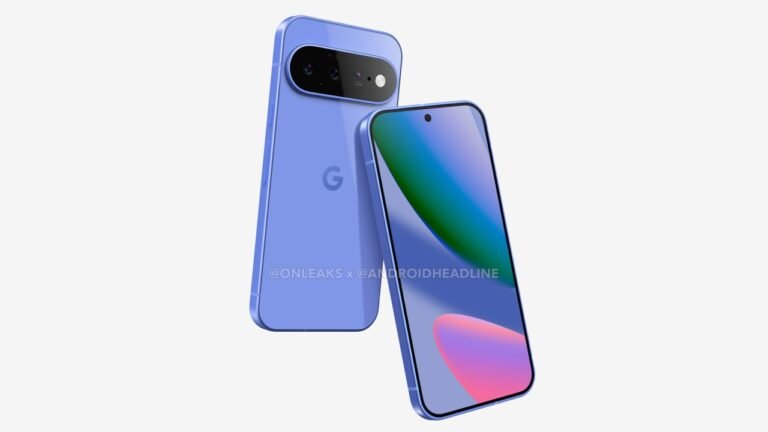
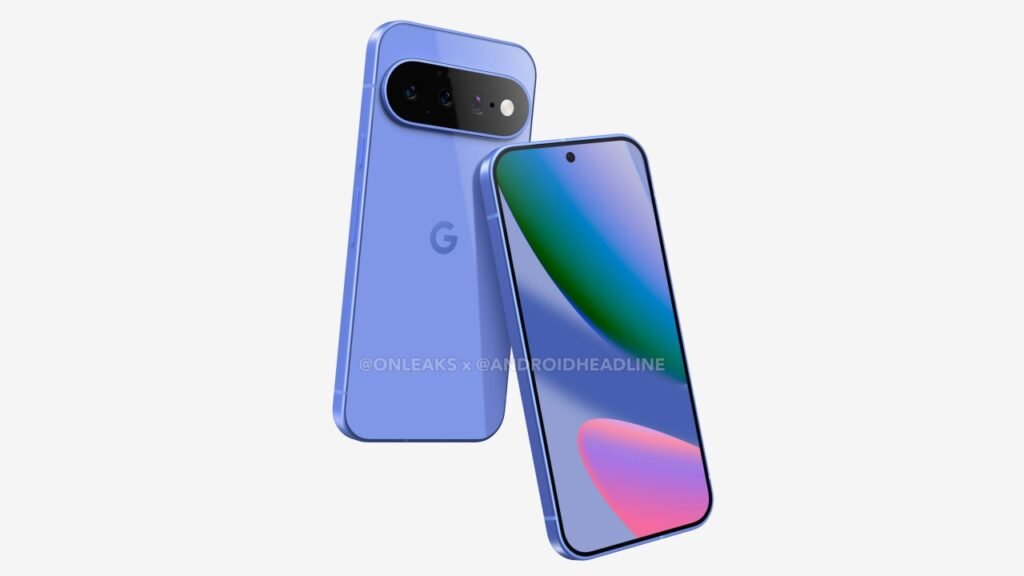
The Google Pixel 11 has surfaced in new CAD-based renders. This gives us an early look at what to expect from Google’s next flagship smartphone set to launch later this year.

One of the biggest changes in the leaked design is the noticeably thinner bezels compared to the previous generation. The Pixel 10 was criticized for having relatively thick bezels, but the Google Pixel 11 appears to refine this with an edge-to-edge look. The signature Pixel camera bar also gets a slight redesign, now shown in an all-black finish instead of blending with the body color.

The overall design remains familiar, still similar to the other Pixel smartphones that are in the market right now.

Under the hood, the Pixel 11 is expected to be powered by the new Tensor G6 chipset, reportedly featuring a 7-core CPU and possibly shifting away from Samsung modems in favor of a MediaTek solution. The device is also rumored to retain 12GB of RAM, although storage is still expected to start at 128GB, which may disappoint users hoping for a base 256GB option.

The Pixel 11 is said to feature a 6.3-inch LTPO AMOLED display, similar to its predecessor, along with a 5,000mAh battery. In terms of size, it measures 152.8 x 72 x 8.5mm, making it nearly identical to the Pixel 10 but slightly thinner.

Google Pixel 11 Expected Release Date and Price

Google is expected to announce the Pixel 11 in August 2026. Pricing has not yet been confirmed but it is expected to remain close to the previous generation.

Google Pixel 11 (Expected) Specifications

Dimensions: 152.8 x 72 x 8.5mm
Display: 6.3-inch LTPO AMOLED
Processor: Tensor G6
RAM: 12GB (expected)
Storage: 128GB (expected)
Battery: 5,000mAh

Source: Android Headlines

DDR5 RAM Prices Drop After Months of Increase

0

DDR5 memory prices are finally seeing a drop after months of price increases. This makes a potential break for PC builders, modders, and gamers looking to upgrade or buy a new system.

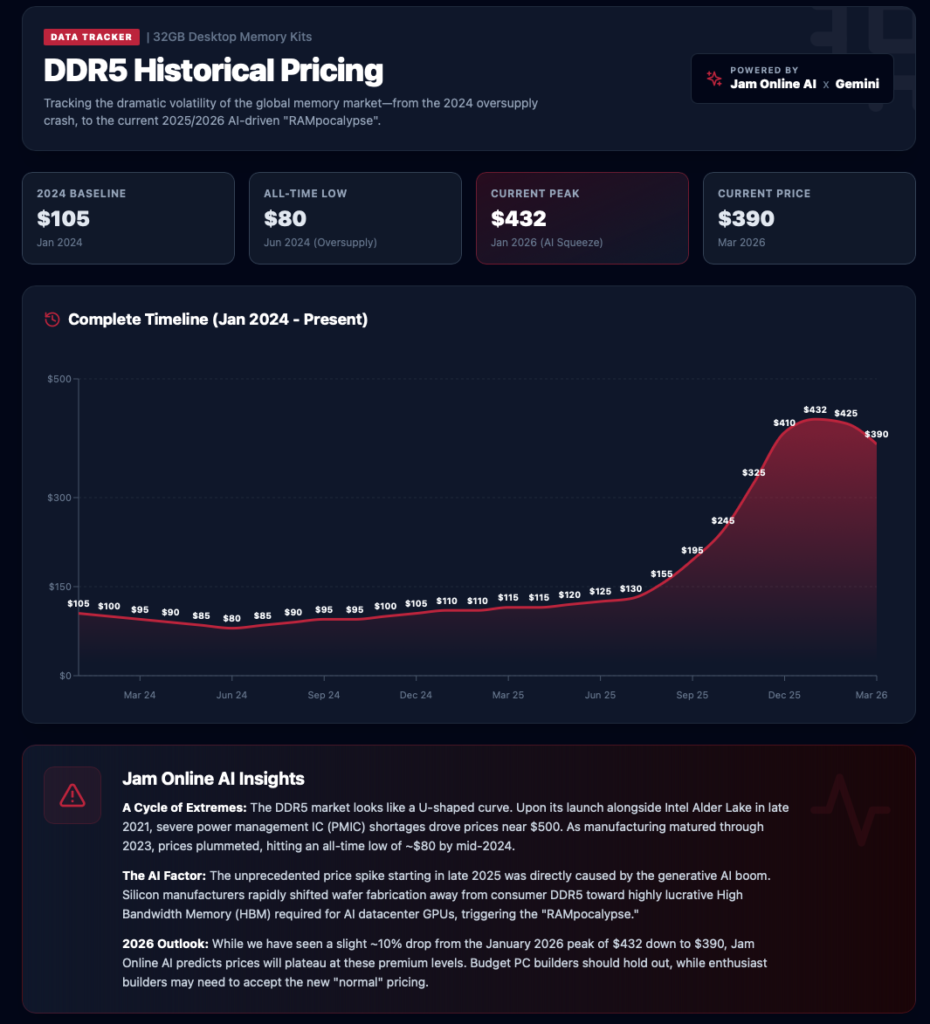
Recent market observations show that DDR5 RAM pricing has declined significantly this week across several retailers. The sudden drop comes after a long period of rising costs driven by high demand and supply constraints in the DRAM industry. In a data that we produced via Gemini using different sources, it looks like we are now seeing a drop in average price for DDR5 RAM.

One possible factor behind the price decrease is the introduction of Google’s TurboQuant algorithm. It’s a new AI-based memory compression technology. The algorithm claims to reduce memory requirements in certain workloads, which may have triggered uncertainty in the memory market and influenced short-term pricing adjustments.

Despite the drop, analysts suggest that the overall memory shortage is still a concern, and pricing could remain volatile in the coming months. For now, however, the decline in DDR5 prices signals a temporary relief for consumers and PC enthusiasts.

Sony PS5, PS5 Pro, and PS Portal Prices Increase in Canada Starting April 2026

0

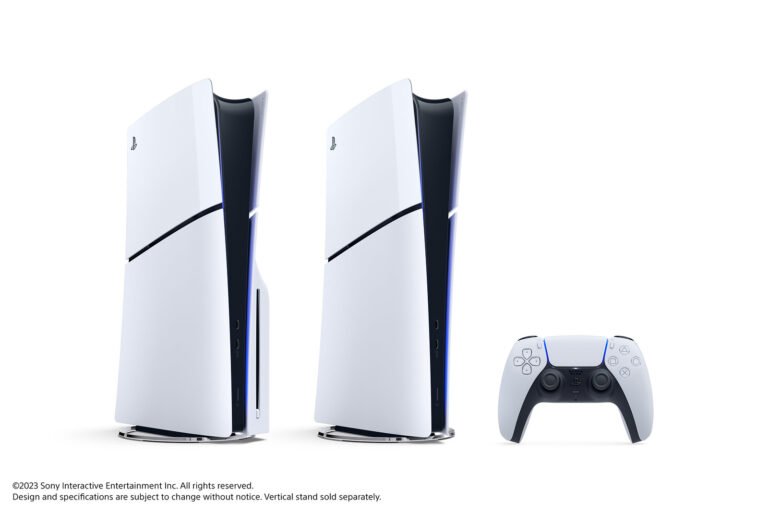
Sony has officially confirmed a price increase for its PlayStation consoles in Canada, affecting the PlayStation 5, PS5 Pro, and PS Portal. The newt pricing will take effect on April 2, 2026, bringing significant increases across all models.

The standard PlayStation 5 and Digital Edition are seeing the biggest jumps, with both models increasing by $170 CAD. Meanwhile, the PS5 Pro and PS Portal are also getting price hikes.

This move is annoying a lot people as it happened more than five years into the console generation, where prices typically go down instead of up. Sony has said that the increase to ongoing global economic pressures, including rising component costs and supply chain challenges.

PS5 Price Increase in Canada (Old vs New)

Device Old Price (CAD) New Price (CAD) Increase
PS5 Standard $649.99 $819.99 +$170
PS5 Digital $579.99 $749.99 +$170
PS5 Pro $959.99 $1,099.99 +$140
PS Portal $269.99 $319.99 +$50


The updated pricing shows that the base PS5 models are now nearly $200 more expensive, making this one of the biggest mid-cycle price increases in recent gaming history.

ASUS Launches Zenbook DUO (2026), Zenbook S14, and Zenbook A16 in the Philippines

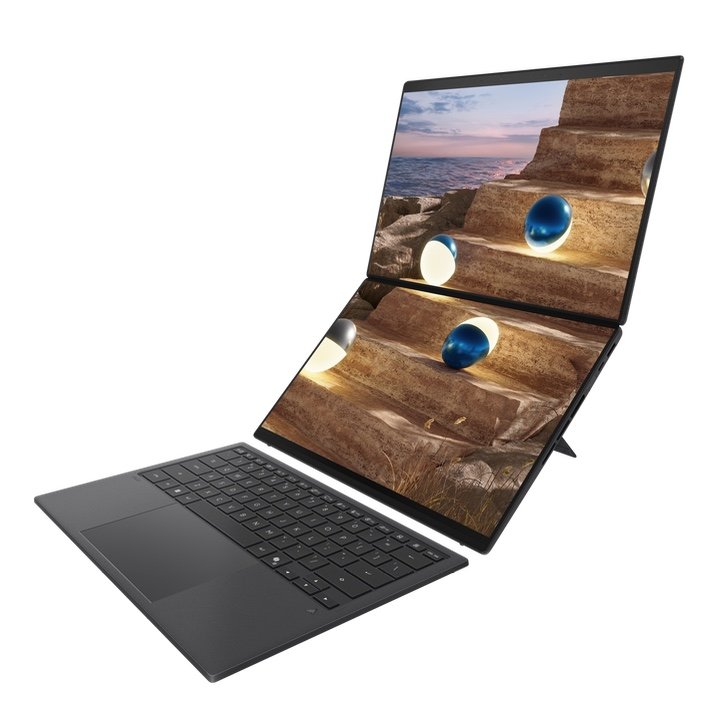
ASUS Philippines has officially launched its 2026 Zenbook lineup and these are the ASUS Zenbook DUO, Zenbook S14, and the Zenbook A16. The refreshed Zenbook series comes with next-generation processors, OLED displays, and a balanced combination of productivity and powerful performance in slim and lightweight designs.

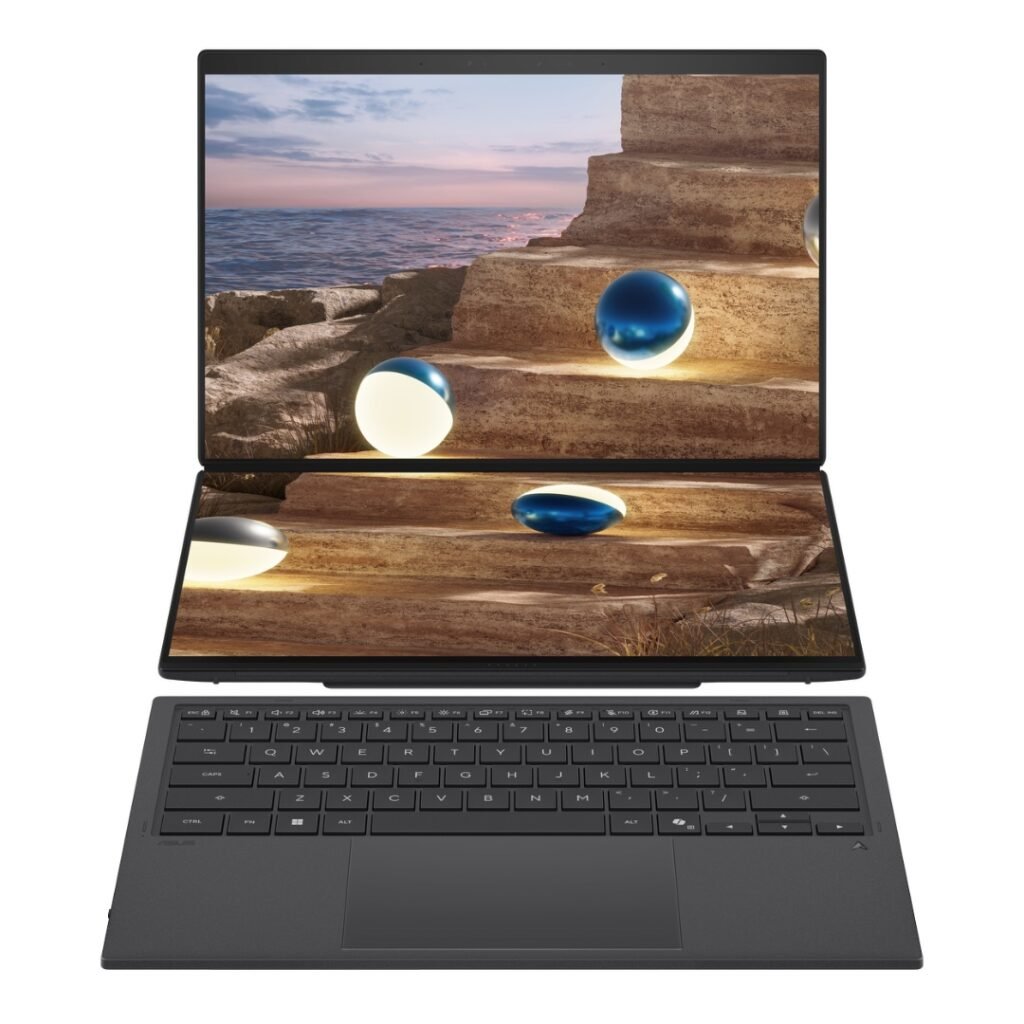
ASUS Zenbook DUO (2026) highlights dual-screen productivity

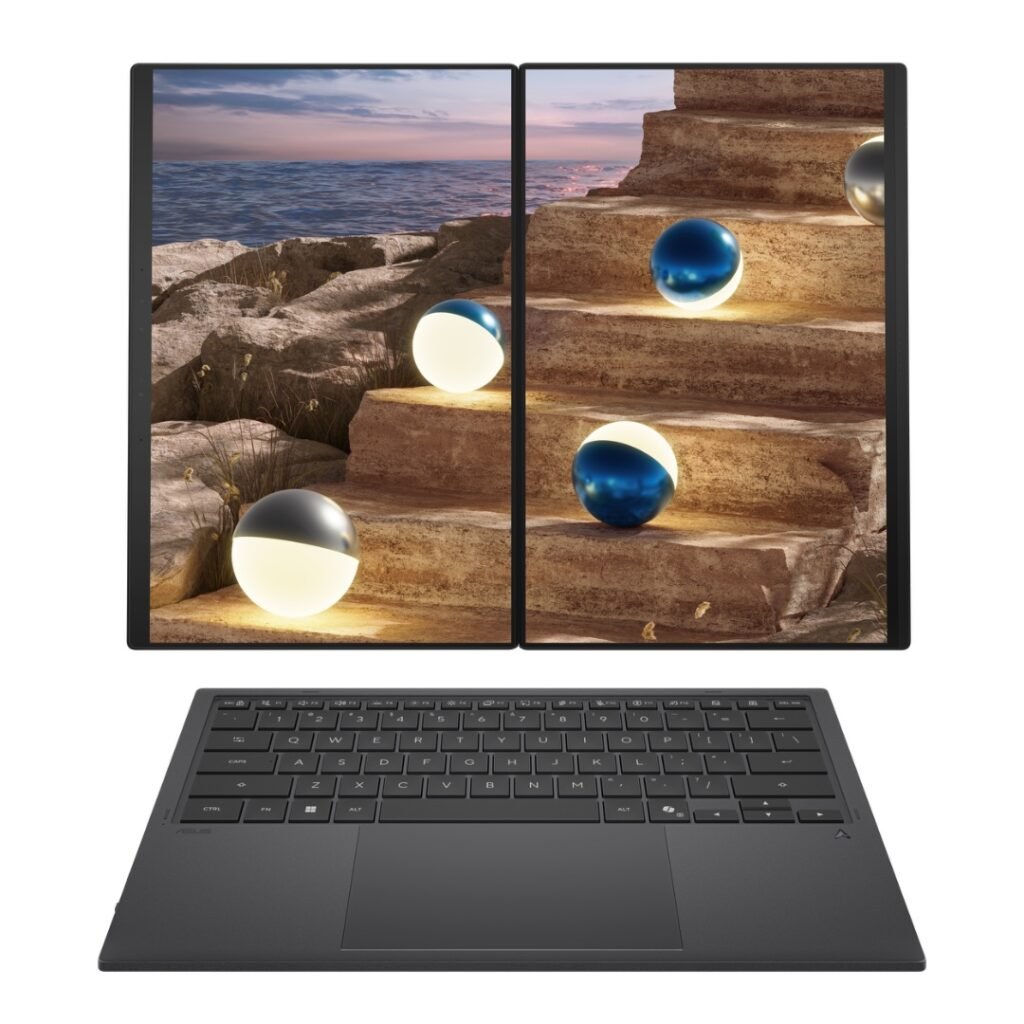
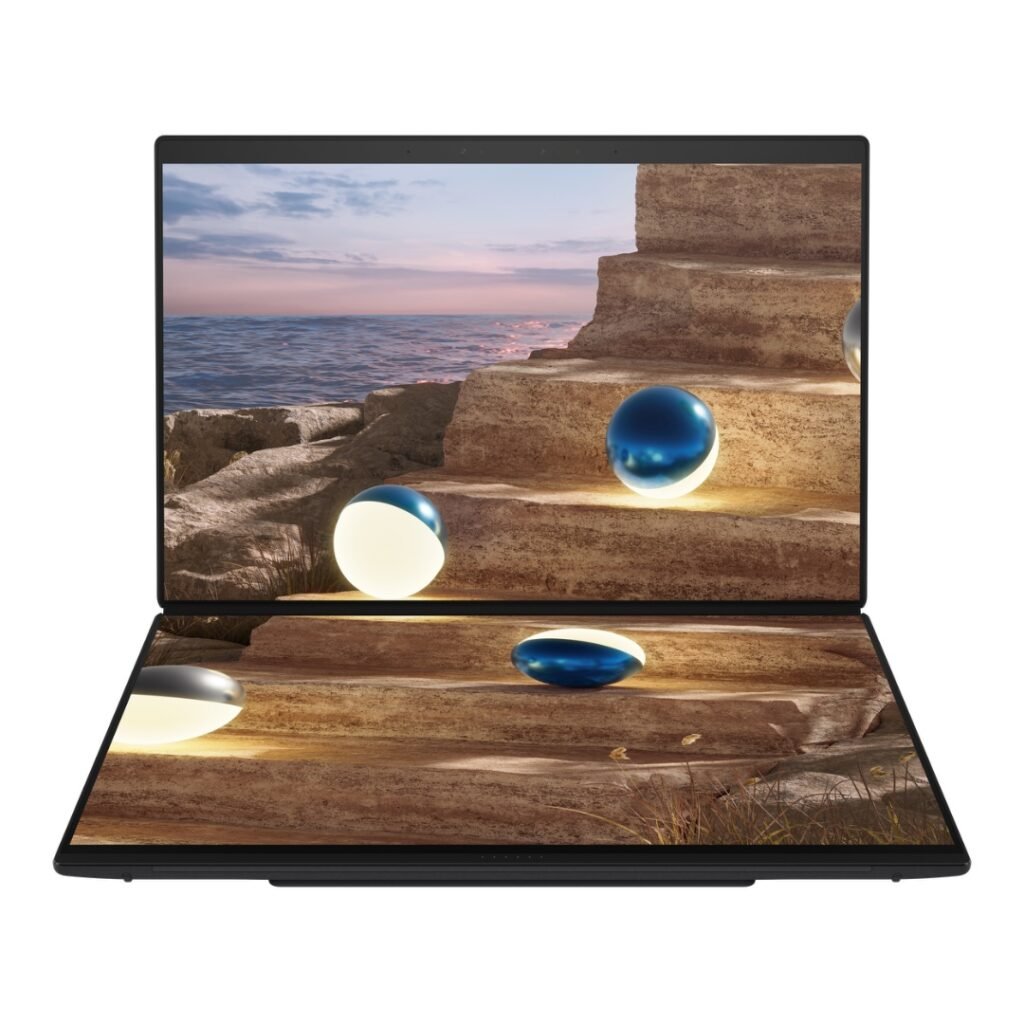
The Zenbook DUO (UX8407) comes with dual-screen. This let you switch between multiple usage modes including laptop, dual-screen, desktop, sharing, and virtual keyboard modes. It features dual 14-inch ASUS Lumina Pro OLED touchscreen displays with a 144Hz refresh rate.

Powered by an Intel Core Ultra 9 Series processor, the Zenbook DUO is designed to handle demanding workloads whether that’s a heavy office document or many tabs on the internet while maintaining long battery life for all-day productivity.

ASUS Zenbook DUO (2026) Specifications:

• Processor: Intel Core Ultra 9 386H
• Display: Dual 14-inch 3K ASUS Lumina Pro OLED touchscreen, 144Hz
• Memory: 32GB LPDDR5X
• Storage: 1TB PCIe 4.0 SSD
• Ports: Thunderbolt 4, USB-A, HDMI 2.1, audio jack
• Color: Moher Gray
• Price: PHP 179,995

Zenbook S14 focuses on ultrathin performance

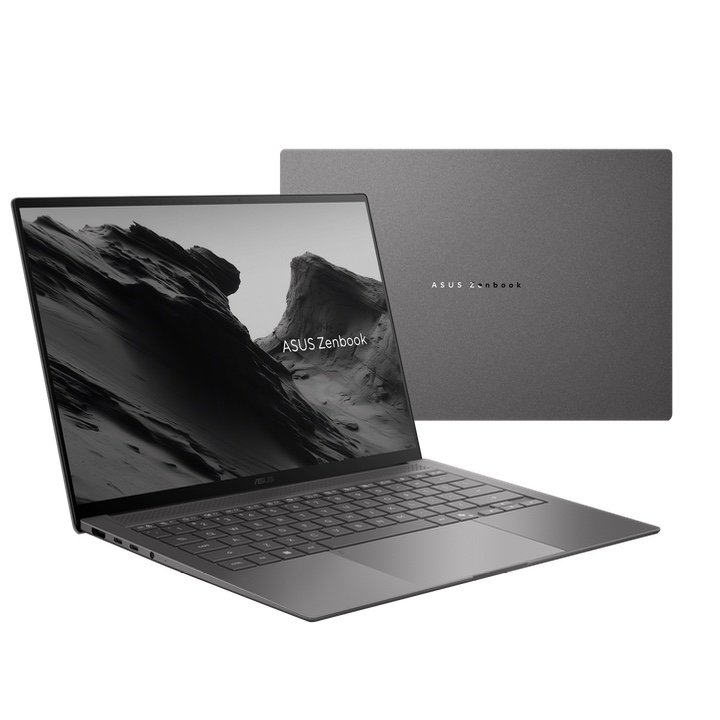
The Zenbook S14 (UX5406) emphasizes portability with its ultra-slim and lightweight design. It features a 14-inch ASUS Lumina OLED display with a 120Hz refresh rate and is powered by the same Intel Core Ultra processor. It features a long battery life and AI-powered features.

ASUS Zenbook S14 (2026) Specifications:

• Processor: Intel Core Ultra 9 386H
• Display: 14-inch 3K ASUS Lumina OLED touchscreen, 120Hz
• Memory: 32GB LPDDR5X
• Storage: 1TB PCIe 4.0 SSD
• Ports: Thunderbolt 4, USB-A, HDMI, audio jack
• Color: Antrim Gray
• Price: PHP 129,995

ASUS Zenbook A16 introduces Snapdragon-powered AI computing

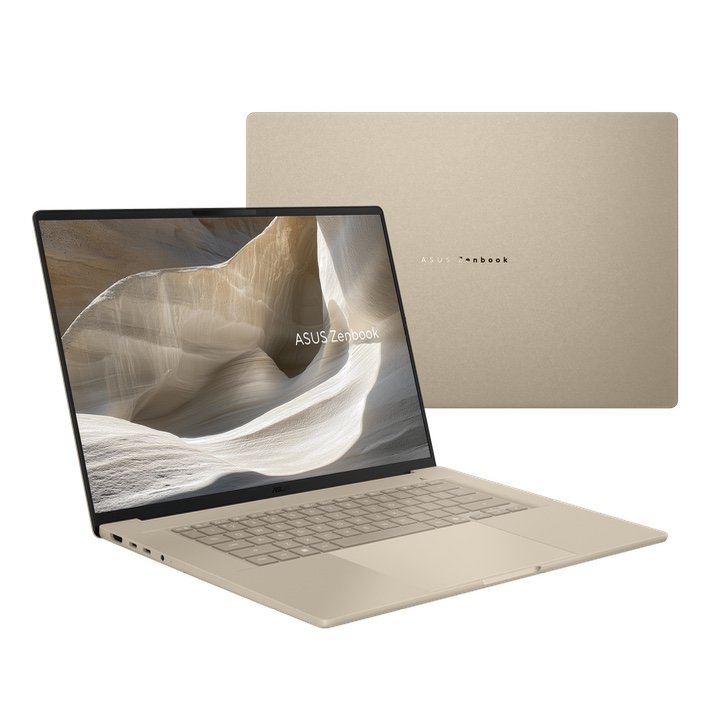
ASUS also unveiled the Zenbook A16 (UX3607), featuring a larger 16-inch ASUS Lumina OLED display housed in a lightweight Ceraluminum chassis. It is powered by a Snapdragon X2 series processor with an advanced NPU for enhanced AI performance and energy efficiency.

Designed for users seeking a bigger display and next-generation AI capabilities, the Zenbook A16 aims to deliver both performance and mobility.

ASUS Zenbook A16 (2026) Specifications:

• Processor: Snapdragon X2 Elite Extreme
• Display: 16-inch 3K ASUS Lumina OLED, 120Hz
• Build: Ceraluminum chassis
• Battery: Long battery life for mobile productivity
• Color: Zabriskie Beige
• Availability: Coming soon in the Philippines

The Zenbook DUO and Zenbook S14 are now available in the Philippines through ASUS stores and authorized retailers, while the Zenbook A16 is expected to launch at a later date.

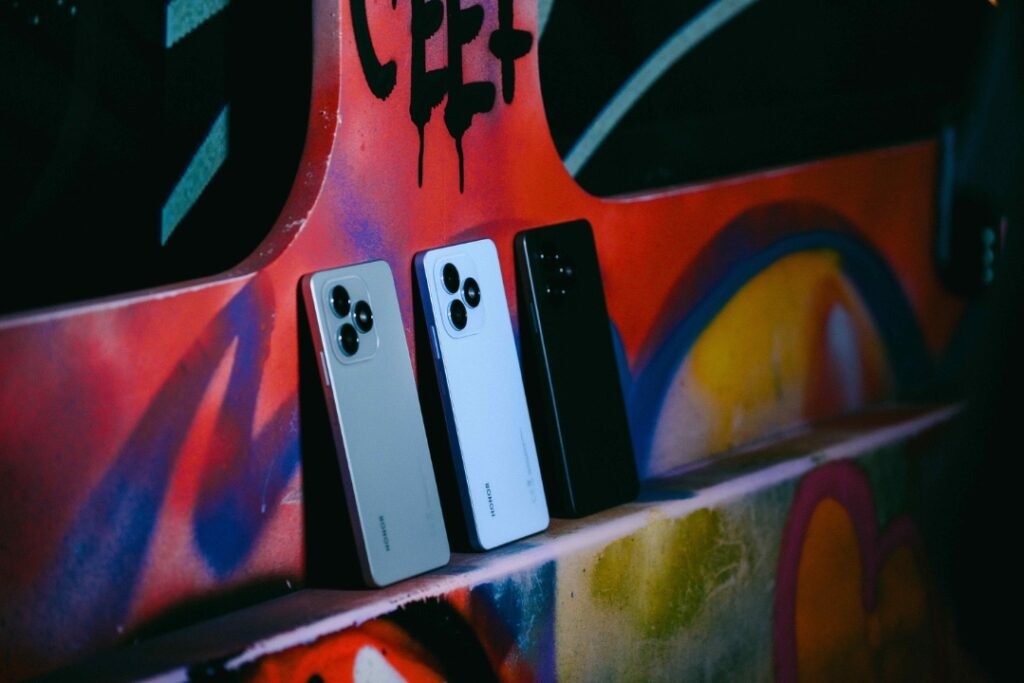
HONOR X8d Now Available for Pre-Order in the Philippines for PHP 15,999

HONOR Philippines has officially opened pre-orders for the HONOR X8d, priced at PHP 15,999. The HONOR X8d pre-order period runs until March 27, 2026. Customers who pre-order will receive a free HONOR Camping Light Speaker. Additional freebies are available for buyers purchasing through select e-commerce platforms.

The HONOR X8d features a 7.5mm ultra-thin profile with a lightweight build and glossy finish. It is powered by a 7000mAh battery with 45W wired fast charging as well.

The device also features IP65 dust and water resistance and SGS-certified drop protection. For photography, the HONOR X8d is equipped with a 108MP  Camera. HONOR also includes a dedicated Instant AI Button for quick access to features like Circle-to-Search, AI Writing, and AI Subtitles. The smartphone runs MagicOS 10 based on Android 16 with Google Gemini Assistant integration.

The HONOR X8d sports a 6.77-inch OLED display with a 120Hz refresh rate and up to 3000 nits peak brightness. Powering it is the Snapdragon 6s 4G Gen 2 processor.

The HONOR X8d is available in Light Blue, Velvet Black, and Velvet Grey.

ASUS Zenbook DUO (2026) with Dual 3K OLED Screens Now Available for Pre-Order in Canada

0

ASUS Canada has officially announced the pre-order period new Zenbook DUO (2026), a dual-screen laptop meant for productivity and multi-display experience. The newest model comes with an upgraded hardware but still comes with a form factor that is flexible for everyone.

The Zenbook DUO (2026) features a full Ceraluminum chassis that offers durability while keeping the device lightweight. ASUS has also introduced a redesigned hideaway hinge and improved keyboard docking system to make switching between modes better and more seamless.

Inside the laptop is an Intel Core Ultra X9 Series processor, paired with a 99Wh dual-battery setup which brings efficiency and also power with a long battery life. ASUS also highlights its thermal performance with larger fans and improved vent design.

The ASUS Zenbook DUO (2026) comes with a dual 14-inch 3K ASUS Lumina Pro OLED displays, which now feature a reduced screen gap and support up to 144Hz refresh rate and 1,000-nit peak brightness. There’s an upgraded six-speaker audio system with Dolby Atmos as well for multimedia and for watchingmovies.

ASUS Zenbook Duo (2026) Pricing in Canada

Pre-orders for the ASUS Zenbook DUO (2026) opened on March 23, 2026, with shipments expected to begin on April 8, 2026 through the ASUS Store. Pricing in Canada starts at C$2,899, while higher-end configurations reach C$3,199

ASUS Zenbook DUO (2026) Specifications

ASUS Zenbook DUO (2026) UX8407 Specifications

Model UX8407AA-DS71T-CA UX8407AA-BS91T-CB
Material Ceraluminum/ Magnesium-Aluminum alloy Ceraluminum/ Magnesium-Aluminum alloy
Color Moher Gray Moher Gray
Processor Intel Core Ultra 7 355
2.3GHz up to 4.7GHz
8 Cores / 8 Threads
Intel Core Ultra X9 388H
2.1GHz up to 5.1GHz
16 Cores / 16 Threads
Display Dual 14-inch OLED
3K (2880 × 1800), 16:10
144Hz refresh rate
0.2ms response time
500 nits (1000 nits HDR peak)
100% DCI-P3
DisplayHDR True Black 1000
Pantone Validated
Touchscreen with stylus support
Graphics Intel Graphics Intel Arc B390
AI Processor Intel NPU (up to 49 TOPS) Intel NPU (up to 50 TOPS)
Memory 32GB LPDDR5X 7467 MT/s 32GB LPDDR5X 9600 MT/s
Storage 1TB M.2 NVMe PCIe 4.0 SSD
Dual M.2 PCIe 4.0 slots
Wireless WiFi 7 / Bluetooth 5.4
Camera FHD IR camera with Windows Hello / ASUS AI Camera
Ports 2 × Thunderbolt 4
1 × USB-A 3.2 Gen 2
1 × HDMI 2.1
3.5mm audio jack
Audio Dolby Atmos speakers / Smart Amp / Array microphone
Battery 99Wh
Charger 100W USB-C
Dimensions 31.01 × 20.86 × 1.96–2.34 cm
Keyboard Dimensions 30.63 × 20.37 × 0.51–0.53 cm
Weight 1.31 kg (tablet only)
1.65 kg (with keyboard)
OS Windows 11 Home
Availability Preorders: March 23
Shipping: April 8
Q2 2026
Price C$2,899 C$3,199
Where to Buy ASUS Store ASUS Store / Best Buy


Apple Regular iPad (2026) Rumored to Feature A18 Chip and Apple Intelligence

0

Apple is reportedly preparing to refresh its regular iPad lineup with a new model powered by the A18 chip. The update is expected to arrive around the same time as the rollout of iOS 26.4, potentially launching before the end of May 2026. The upcoming regular iPad is said to focus on performance improvements rather than a full redesign.

One of the key advantages of the rumored A18 chip upgrade is support for Apple Intelligence features. This would be a big change for the base iPad, enabling access to on-device AI capabilities.

Despite the chipset upgrade, the rest of the hardware is expected to remain largely unchanged. The design, display, and overall feature set are anticipated to mirror the current-generation model.

Source: Apple Insider

Apple WWDC 2026 Set for June 8–12, iOS 27 and more expected

0

Apple has officially confirmed that its annual Worldwide Developers Conference (WWDC) 2026 will take place from June 8 to June 12. As with previous years, the event is expected to begin with a major keynote on the first day, where Apple will introduce the next generation of its operating systems for their devices

Apple is expected to unveil iOS 27, iPadOS 27, macOS 27, and updates across its broader software ecosystem. These new platforms are typically released in beta immediately after the announcement.

One of the most anticipated developments at Apple WWDC 2026 could be the introduction of a smarter Siri powered by Gemini AI capabilities, potentially bringing deeper conversational intelligence and more contextual assistance to iPhone, iPad, and Mac.

Samsung brings AirDrop support to Quick Share with Galaxy S26 series

0

Samsung has announced that its Quick Share feature will soon support AirDrop compatibility, starting with the upcoming Galaxy S26 series. This update is designed to make file sharing between devices faster and more seamless.

With the new update, Galaxy S26 users will be able to send and receive files more easily across compatible devices using enhanced Quick Share functionality. The feature aims to simplify content transfers such as photos, videos, and documents without the need for other apps.

Samsung confirmed that the rollout will begin on March 23, initially launching in Korea before expanding to additional regions including Europe, Hong Kong, Japan, Latin America, North America, Southeast Asia, and Taiwan. Support for more Galaxy devices is expected to follow at a later date.

REDMI Note 15 Pro 5G Review

0

The midrange smartphone space has become incredibly competitive in recent years. Almost every brand promises the same things, like big cameras, fast performance, long battery life, and premium design, usually at a price that tries to stay just below flagship territory.

That’s why the REDMI Note 15 Pro 5G is interesting. Instead of trying to impress with flashy gimmicks, it focuses on refining the things most people actually care about—durability, battery endurance, a bright display, and a camera system that performs reliably in everyday situations.

Priced at Php18,999 in the Philippines, the device sits comfortably in the upper midrange segment. And after using it as a daily driver for a month, from work calls and social media scrolling to casual gaming and travel photography, it becomes clear that this phone is designed to be practical first.

So the real question is simple, does it deliver enough value to stand out in a crowded midrange market? Let’s break it down.

Design & Durability

The first thing you notice about the REDMI Note 15 Pro 5G is how solid it feels. Xiaomi calls its construction the “Titan Structure,” which sounds like marketing language at first, but the phone genuinely feels sturdy in hand. The frame has just enough thickness to give it a confident grip without making it feel bulky.

Flat sides give the phone a modern look while also making it easier to hold during long sessions of browsing or gaming. And unlike some glossy phones that immediately attract fingerprints, the back panel holds up surprisingly well against smudges.

More importantly, this phone isn’t just about looks, it’s built for durability.

The device features IP68 and IP69K water and dust resistance, something that’s still rare in this price segment. That means it can handle rain, accidental splashes, and dusty environments without much worry. The phone also carries SGS durability certification, which includes drop testing up to 2.5 meters. While nobody intentionally drops their phone, it’s reassuring to know it’s built to survive everyday accidents.

Of course, there is one thing you’ll notice immediately, the camera bump. Because of the large 200MP main sensor, the camera module sits prominently on the back. When placed on a table, the phone does wobble slightly. However, the layout still looks clean and symmetrical, so the bump doesn’t feel awkward from a design perspective.

Overall, the design strikes a balance between style and practicality. It’s sleek enough to look modern, but tough enough to survive daily use without constant worry.

Display & Multimedia

The REDMI Note 15 Pro 5G features a 6.83-inch AMOLED display, and it’s easily one of the highlights of the device.

First, the size. At nearly seven inches, the display gives you plenty of room for watching videos, reading articles, editing photos, or multitasking between apps. Yet because the phone uses slim bezels and a flat panel design, it never feels awkward to use.

Then there’s the 120Hz refresh rate, which makes everything feel noticeably smoother. Scrolling through social media feeds feels fluid, app transitions are quick, and animations look polished. It’s one of those features that you might not immediately notice, but once you get used to it, going back to a standard 60Hz display feels surprisingly slow.

Brightness is another standout feature. With peak brightness reaching up to 3200 nits, outdoor visibility is excellent. Even under direct sunlight, reading messages or navigating maps remains comfortable.

The display also supports HDR10+ and Dolby Vision, meaning supported content on streaming platforms looks more dynamic, with better contrast and richer highlights.

Color reproduction leans slightly toward the vivid side, something many users actually prefer when watching videos or playing games. But if you want something more natural for photo editing, there are color modes available in the settings.

To round out the multimedia experience, the phone also includes stereo speakers. Audio is clear and loud enough for watching videos or casual listening. While it won’t replace a dedicated Bluetooth speaker, it’s more than capable for everyday use.

Performance

Inside the REDMI Note 15 Pro 5G is the MediaTek Dimensity 7400-Ultra, a chipset designed to balance performance and efficiency.

In real-world use, the phone feels quick and responsive. Apps open quickly, multitasking feels smooth, and switching between tasks—like messaging, browsing, and watching videos—happens without noticeable lag.

Social media apps such as Facebook, Instagram, and TikTok run smoothly, even when feeds are packed with autoplay videos and large images.

For gaming, performance is solid for a midrange device. Popular titles like Mobile Legends: Bang Bang run smoothly at high settings. More demanding games are playable at balanced settings. While pushing graphics higher can cause occasional dips during heavy scenes, gameplay remains enjoyable overall.

Thermal performance is also handled well. The phone warms up during long gaming sessions but never reaches an uncomfortable level.

Camera

One of the most heavily promoted features of the REDMI Note 15 Pro 5G is its 200MP main camera. And in the right conditions, it delivers impressive results.

Daylight photography is where the sensor truly performs. Images come out sharp, detailed, and vibrant without looking overly processed. Fine textures are captured clearly, and dynamic range holds up well in bright outdoor scenes. The camera also includes optical image stabilization (OIS), which helps reduce blur when shooting handheld photos or videos.

For wider shots, the phone includes an 8MP ultra-wide camera. While detail naturally drops compared to the main sensor, it remains useful for group photos and landscape shots.

Low-light performance is decent but not exceptional. Night mode brightens darker scenes effectively, but some textures can appear slightly smoothed out, and noise may be visible in very dim environments.

Meanwhile, the 20MP front camera performs well for selfies and video calls, producing natural-looking skin tones and good detail. The default beauty filters can be a bit aggressive, but they can easily be toned down or disabled.

Overall, the camera setup is versatile enough for everyday photography, with the main sensor being the clear highlight.

Sample Photos:

Software

The phone runs HyperOS 2, which replaces the older MIUI interface. The experience feels cleaner and more streamlined compared to previous versions. Animations are smooth, menus are better organized, and overall navigation feels responsive.

The system also includes several AI-powered features. For example, the Gallery app includes an AI Creativity Assistant with tools like object removal, reflection removal, sky replacement, and image expansion. These tools make it easier to refine photos directly on the device without needing third-party apps.

HyperOS also integrates Google Gemini and Circle to Search, adding more AI-driven capabilities across the system.

That said, the software isn’t perfect. There are still some pre-installed apps and occasional bloatware, which may feel unnecessary to some users. Fortunately, most of these can be removed.

Battery Life

Battery life is arguably one of the strongest features of the REDMI Note 15 Pro 5G.

The device packs a massive 6580mAh battery, and the difference is noticeable in everyday use. With moderate use, including social media, messaging, streaming, and occasional gaming, the phone can easily last a full day and often stretch into the second day. Even heavier users will likely reach bedtime with battery left to spare.

Charging speed tops out at 45W, which isn’t the fastest in its class but still provides reasonable charging times. The phone also supports 22.5W reverse wired charging, allowing it to power accessories like earbuds or smartwatches when needed.

Redmi Note Pro review

Verdict

After spending time with the REDMI Note 15 Pro 5G, it becomes clear that this phone isn’t trying to reinvent the midrange category. Instead, it focuses on doing the fundamentals really well.

You get a durable build, a bright and smooth display, reliable performance, a high-resolution main camera, and excellent battery life.

There are still a few areas that could improve, like software refinement and low-light photography, for example, but those issues don’t significantly affect the overall experience.

For students, young professionals, and everyday users, the phone hits a sweet spot between performance and price.

In a market filled with flashy specs and marketing buzzwords, the REDMI Note 15 Pro 5G succeeds by focusing on something much simpler, a dependable smartphone that just works day after day.