

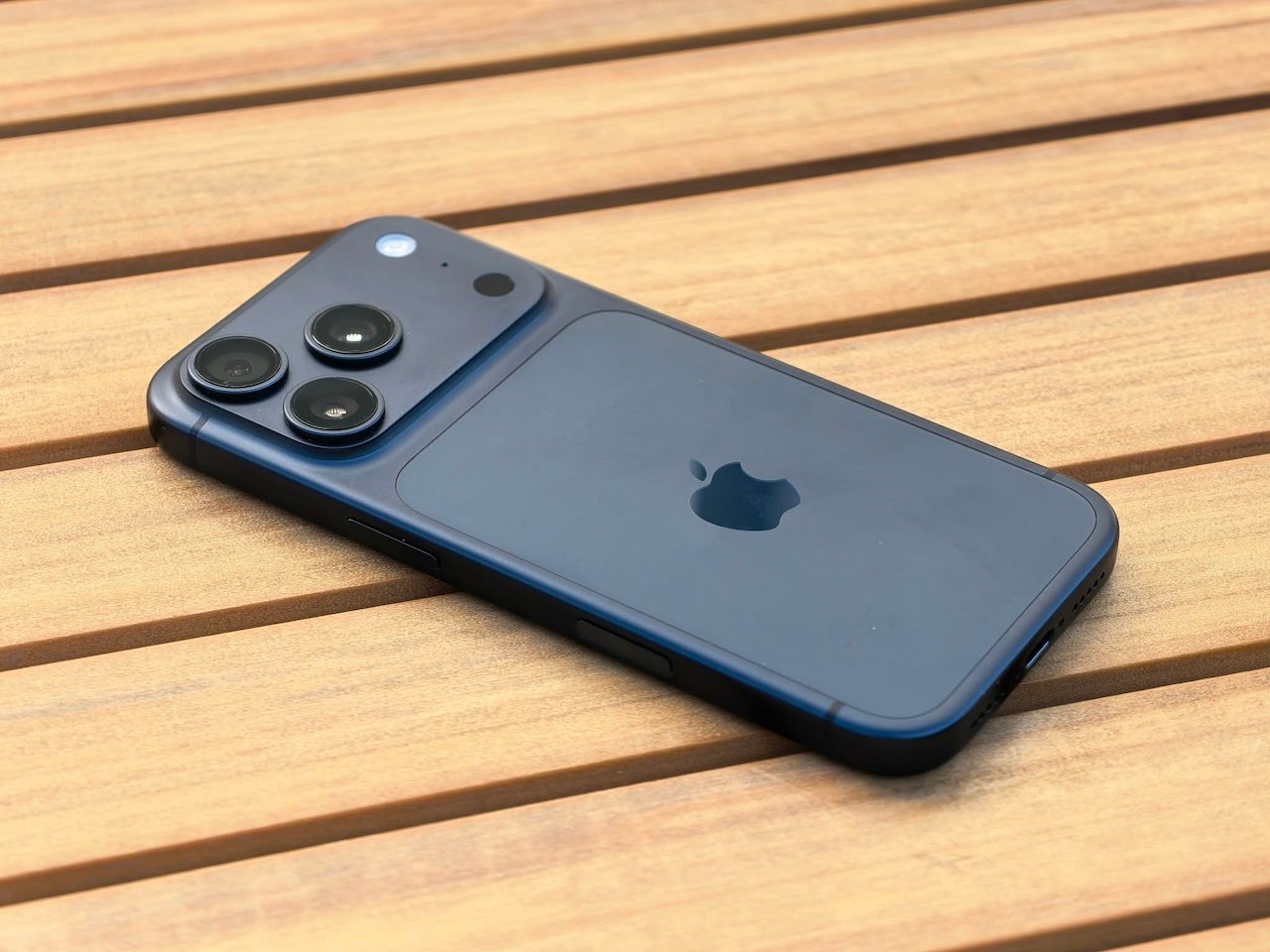
Apple customers may soon have to pay more for upcoming iPhones, Macs, iPads, and other devices as the company deals with rapidly rising memory and storage costs.
Apple CEO Tim Cook confirmed in an interview with The Wall Street Journal that the company is preparing to pass some of these additional costs on to consumers.
“Unfortunately, price increases are unavoidable,” Cook said.
Apple has reportedly spent months trying to absorb the higher component costs and protect customers from price increases. However, Cook said the situation has become unsustainable for the company.
Apple has not revealed which products will cost more
Cook did not specify which Apple products will receive price increases. He also did not reveal how much prices could rise or when the adjustments would take effect.
The upcoming iPhone 18 Pro and iPhone 18 Pro Max are among the products that could potentially be affected. Apple is expected to introduce its next generation of Pro iPhones later in 2026.
Mac and iPad prices could also be adjusted sooner as Apple continues dealing with limited supplies of memory and storage components.
iPhone 18 Pro could become significantly more expensive
Research firm TechInsights estimates that Apple would need to add approximately $270 to the price of its next iPhone Pro to completely offset higher component costs while maintaining its current profit margin.
Several higher-memory configurations for the Mac mini and Mac Studio have also been removed, reducing the number of options available to customers.
While Apple has not directly described these changes as price increases caused by the memory shortage, they arrived as the company warned investors about significantly higher memory costs and constrained Mac supplies.
The current shortage is largely being driven by growing demand from artificial intelligence companies and data centres. AI servers require large quantities of high-performance memory.
Chip manufacturers are therefore prioritizing more of their production capacity for higher-margin server components instead of memory intended for smartphones, laptops, and other consumer devices.



Leave a Reply