

Visa has expanded its contactless fare collection system to the Manila Light Rail Transit (LRT) Line 2, allowing commuters to pay for train rides using Visa cards, QR codes, and NFC-enabled devices across all stations on the line.
The Department of Transportation (DOTr), in collaboration with Rizal Commercial Banking Corporation (RCBC), and other industry stakeholders announced the initiative on July 13. According to Visa, the rollout marks its fourth cashless transit project in the Philippines.
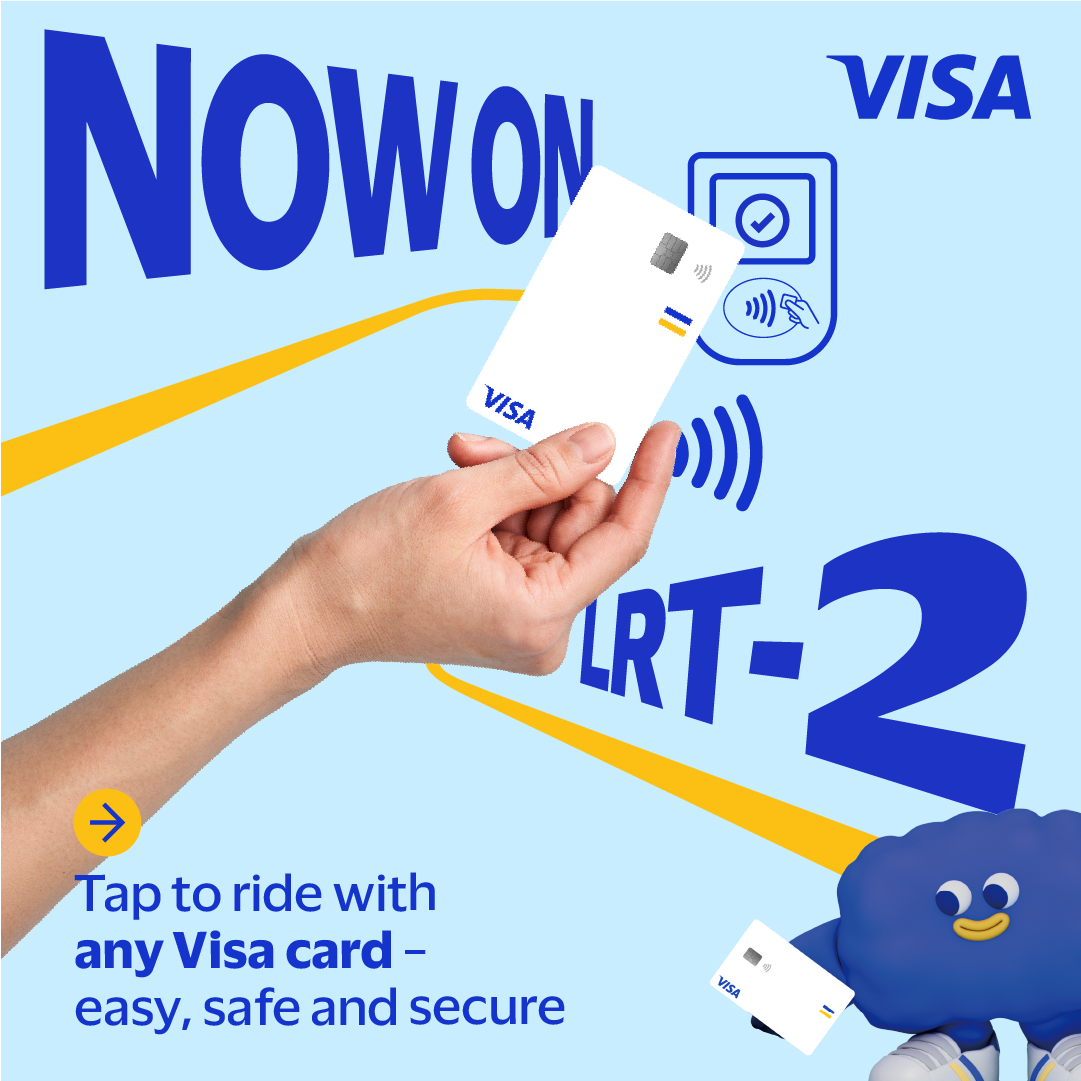
Contactless payments now available across all LRT-2 stations
With the new system in place, commuters traveling through all 13 LRT-2 stations can now use contactless payment methods instead of relying solely on cash or stored-value transit cards.
Visa said the project aims to accelerate the digitization of payments, expand financial inclusion, and improve the commuting experience through faster and more secure fare transactions.
LRT-2 began operations in April 2003 and was later extended eastward to connect Metro Manila with the province of Rizal, serving more than 160,000 commuters.
Supporting digital payments and financial inclusion
According to Visa, the LRT-2 rollout follows the implementation of cashless fare collection on MRT-3 and public bus systems in Cebu, Mandaue, and Bacolod.
The company said the expansion aligns Metro Manila’s rail network with other cities in the Asia-Pacific region that have adopted open-loop, contactless transit payments. It also aims to make public transportation more accessible for both local commuters and international visitors who increasingly expect card-based payment options while traveling.
Visa cited findings from the Visa Economic Empowerment Institute, which estimate that open-loop, contactless transit systems could increase public transport ridership by up to 10 percent. The company also referenced regional data showing that 94 percent of commuters in Asia-Pacific expect contactless payment options for public transportation, while 45 percent said they would take more trips if paying fares were easier.
Part of broader smart mobility initiatives
Visa said it now supports more than 870 tap-to-ride transit projects worldwide, providing contactless payment solutions for public transportation systems.
The company said these initiatives intend to promote digital payments, support inclusive economic growth, and contribute to the development of smart and sustainable urban infrastructure in markets including the Philippines.
Leave a Reply