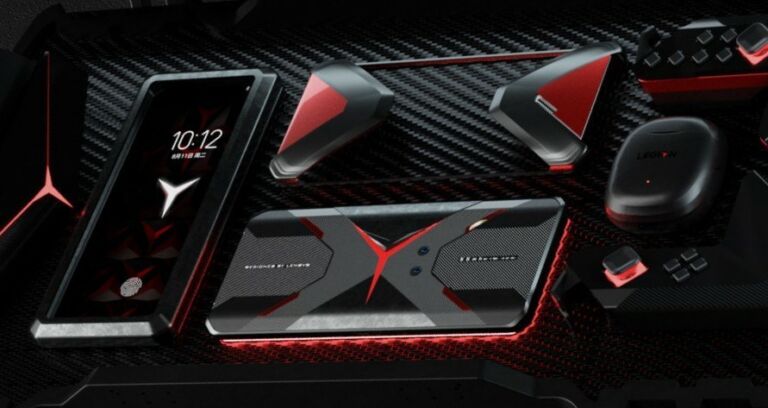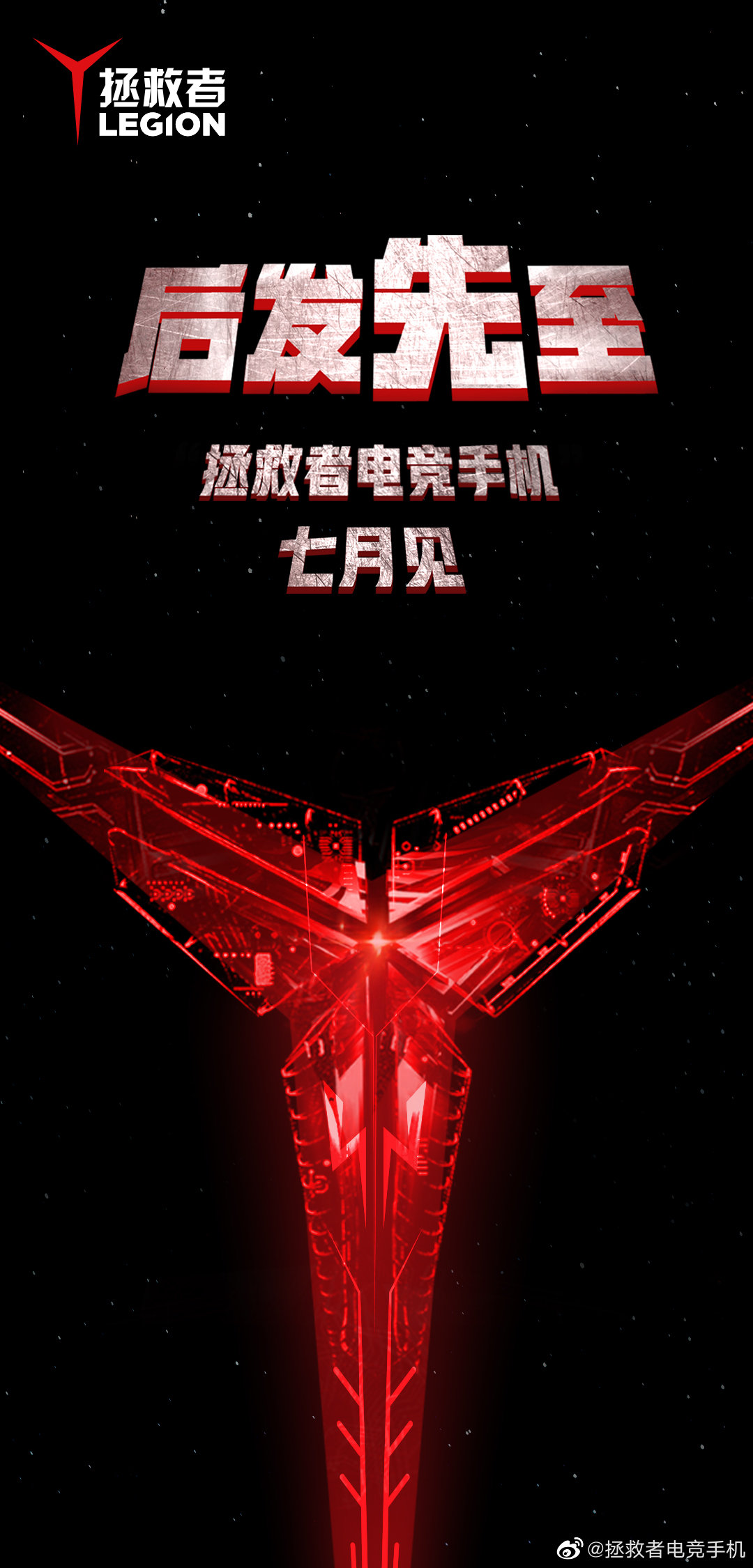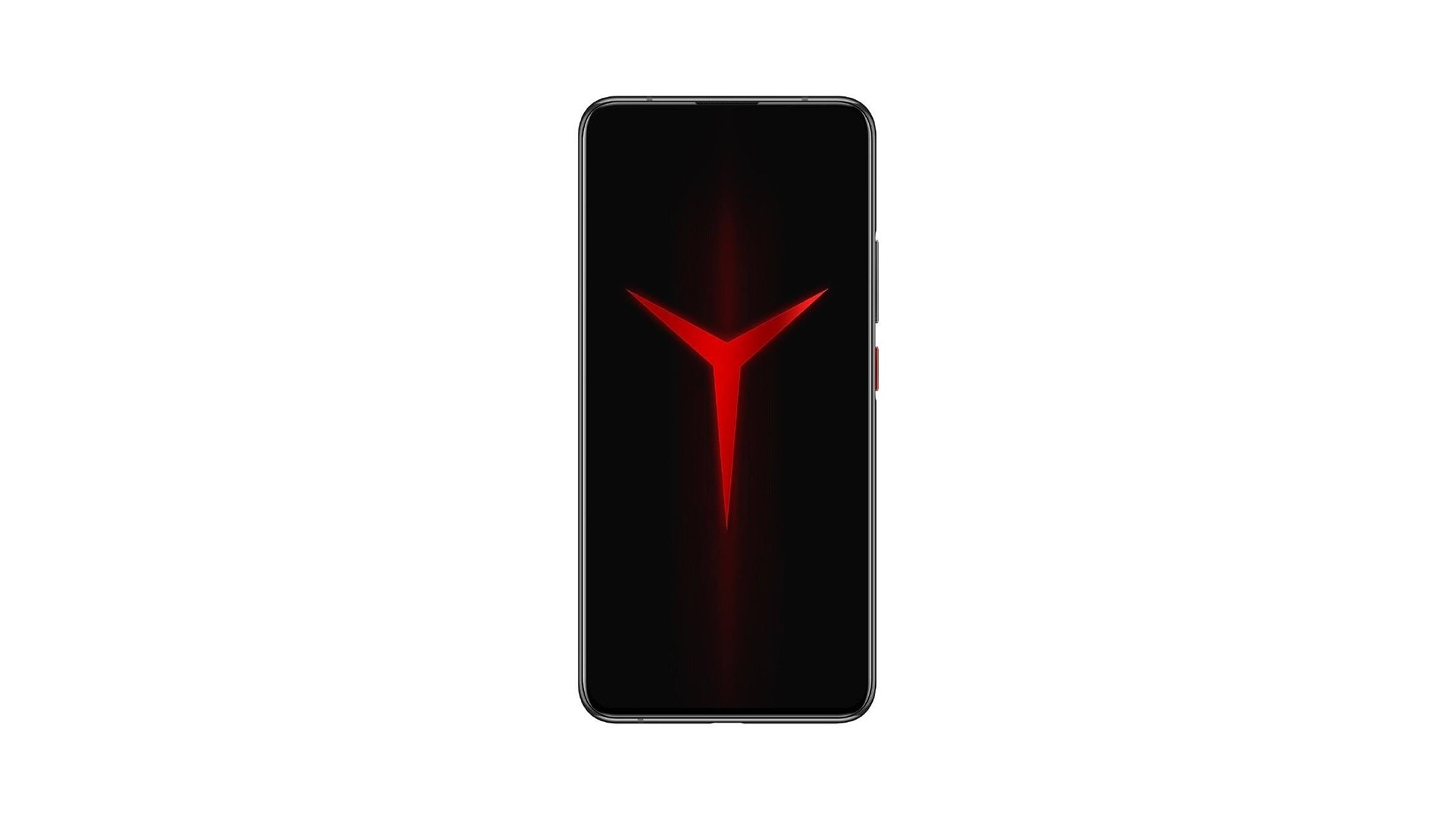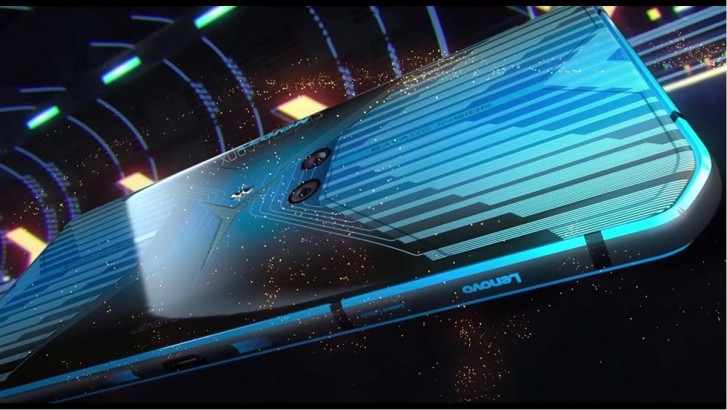
A poster in Weibo shared an image highlighting the Legion phone’s 90-watt fast wired charging. That’s 35-watts more than the fastest wired charging implementation held by Oppo and Xiaomi’s Black Shark 3. The controversial post is later confirmed by a renowned Weibo leaker who then shared another poster featuring Legion’s 90watt charging.
The new poster shares the same theme with the previous accessory teaser leak which originated in Weibo as well. It would be nice if Lenovo would also implement fast wireless charging support on its gaming phone since it’s a feature that both the Black Shark and ROG Phone lack.
The Huawei P-series is one of the most exciting smartphone series every year due to the game-changing cameras that are introduced every year and of course, the sexy and beautiful design of the smartphones. This year, we’re getting the Huawei P40 series and it comes in three variants but today, we’re gonna review the most affordable and smallest smartphone of them all: the Huawei P40.
Huawei P40 Review: Design and hardware
Despite being the smallest and affordable in the flagship series, the Huawei P40 still packs a sexy and premium design. Just like the Huawei P40 Pro, we’re still getting here a glass back and trust me, it’s one of the best builds right now on a smartphone thanks to its matte glass finish at the back. Since we got here a matte glass at the back, it feels like that the body has more depth and it has a better and cleaner look compared to glossy glass as the matte glass shows fewer fingerprint smudges.
Just like the other Huawei smartphones, the ergonomics of this one is pretty good. We got here some nice curves at the back of the smartphone that feels perfect in my hand. Another thing that helped me in the ergonomics and grip of the smartphone is its size. Since we’re getting here a 6.1-inch display, the body of the smartphone isn’t that big which makes the Huawei P40 handy and portable. Overall, the ergonomics and the grip of the Huawei P40 is just good.
The smartphone also features a USB-C port and of course, it supports. 22.5W fast charging and just like the previous Huawei smartphones, there’s no headphone jack on the smartphone that’s why I highly suggest that you guys get a Huawei Freebuds 3.
The Huawei P40 can also house two sim cards or a single sim card along with the e-sim on the smartphone and the best part about the Huawei P40? Well, the smartphone might be priced at Php36,990 but it already comes with 5G. I believe the Huawei P40 is currently the most affordable 5G device in the market right now.
Huawei P40 Review: Display
One of the biggest differences between the Huawei P40 Pro and the Huawei P40 is the display. First, we got here a smaller 6.1-inch Full HD+ OLED display and no, there’s no curved or waterfall display and also a 90Hz display unlike the Huawei P40 Pro but the quality of the display that we’re getting here on the Huawei P40 is still pretty fine.
Since we got here smaller bezels and display, the footprint of the smartphone isn’t that big which makes it handy. The display of the Huawei P40 is still nice, beautiful and the colors are just good.
Another thing that you’ll notice is that there’s a larger punch-hole camera on this smartphone thanks to the dual-selfie camera. Yes, it’s quite big after a few days of using it, I already got used to the selfie camera of the smartphone.
Huawei P40 Review: Battery life
Inside the Huawei P40 is a 3800mAh battery and it’s quite reasonable on this one since we got here a thin body on this smartphone. In PCMark, we were able to get 14 hours and 13 minutes of battery life which is pretty nice.
In our normal usage, I was pretty happy with the battery life that I got on the smartphone as I was able to get a whole day of usage on the smartphone. Pretty fine for a flagship smartphone.
Huawei P40 Review: Software
As expected, the Huawei P40 will run on EMUI 10.1 based on Android 10 and just like the Huawei Mate 30 Pro, this smartphone wouldn’t come with Google Mobile Services which means that you have to resort to Huawei Mobile Services. This also means that you the Huawei P40 will only come with AppGallery in where you can download apps and games.
But of course, you can still resort to other app stores like Tap.io and also APKpure for some apps and games just like the other Android smartphones. When it comes to software and user experience of the EMUI, it has drastically improved on this one. Not only that we got Huawei Share on this one in where we can mirror the display of the smartphone to Huawei tablets or notebooks, but we can also now experience MeeTime on this smartphone that can compete against the iPhone’s Facetime.
Other features that you can expect from the Huawei P40 is the system-wide dark mode and the digital balance that lets you control your usage of the smartphone.
Huawei P40 Review: Performance
Inside the smartphone is a Kirin 990 5G chipset. This is almost the same chipset that we’ve used before on the Huawei Mate 30 Pro but this time, the chipset comes with built-in 5G inside it. Yes, the smartphone supports 5G so as long as your telco and area support 5G, the Huawei P40 can easily switch to 5G with a press of a button in the notification. With 5G, not only that you can get better speeds on your smartphone but you can also have less latency and better gaming experience.
Speaking of games, we’ve encountered the Kirin 990 before on the Huawei Mate 30 Pro and we enjoyed the performance that we got on the smartphone as it was powerful and everything was really fine when running on the smartphone. In our benchmarks, the Huawei P40 didn’t fail to satisfy us as we got fine scores for a flagship smartphone.
When it comes to gaming, the Kirin 990 still managed to impress us with a really good FPS and FPS stability in most of the games that we’re playing however in PUBG Mobile, I’m still wondering why I can only use Extreme FPS at smooth settings while the Huawei Mate 30 Pro can run the game at HDR settings with extreme framerates. Nonetheless, the Huawei P40 still managed to do pretty well in terms of gaming.
There are three variants of the Huawei P40 and there are also three different rear cameras on the smartphone series. For the Huawei P40, we’re getting here a 50MP Ultra Vision camera, 16MP ultra-wide angle camera, and an 8MP telephoto camera and for the selfies, we got here a 32MP selfie camera paired with an IR camera.
Now, it’s not only the camera that is working well on the Huawei P40. The smartphone’s AI prowess also helps in producing better photos on the smartphone thanks to the Kirin 990 5G chipset inside and yes, you can easily remove reflections when you’re shooting at Windows and that was helpful.
If you’re curious about the camera of the smartphone, here are some of the shots that I took using the Huawei P40:
IMG 20200328 182219
IMG 20200328 182251
IMG 20200328 185809
IMG 20200328 203723
IMG 20200409 225900
IMG 20200407 144142
IMG 20200407 144400
IMG 20200408 160528
IMG 20200407 142809
IMG 20200407 142755
IMG 20200407 142800
IMG 20200407 142550
IMG 20200405 163237
As you can see in the shots, the presence of Depth of field is easily noticed in most of our shots and whether we use the main camera or the wide-angle lens, the Huawei P40 is doing pretty well. Despite the lack of the ToF sensor at the rear camera of the smartphone, the Huawei P40 can still produce pretty good portrait shots with amazing details.
1x zoom30x zoom
The Huawei P40 is also capable of 30x zoom and if you want a better zooming capability, you should probably go for the pro version. Nonetheless, the zoomed shots still produced better and detailed shots than the Huawei Mate 30 Pro. Another thing to notice is the night mode capability of the Huawei P40. I barely used the night mode of the Huawei P40 as the normal shot is already enough to produce bright photos.
The smartphone is also capable of 4K60fps video recording and it was just fine for me. For selfies, the smartphone has an even better depth detection and yes, it was really an upgrade over the previous generation but there’s still a little bit of softness in some selfies. But overall, the Huawei P40 has definitely upped the ante again when it comes to the rear camera of smartphones.
Huawei P40 Review: Verdict
The Huawei P40 has once again proved that it’s one of the best smartphones in the market. First, we got here a decent body and design that is really premium, there’s 5G inside, the camera is pretty good, the processor is powerful and the smartphone has a lower price compared to most flagship smartphones. But if you can afford the pro version, you better go for that one as you can get more features with the P40 Pro and the P40 Pro Plus.
If you’re ready to take join the HMS community then you can check out the Huawei P40 for only Php36,990.
Huawei P40 Specs
Kirin 990 5G Octa-Core Processor
6.1-inch Full HD+ OLED flat Display
8GB/128GB
50MP Ultra Vision Camera + 16MP Ultra-wide angle camera + 8MP telephoto camera
The newest smartphone from OPPO is finally here and it’s the OPPO Ace2. The smartphone brings a lot of powerful technologies inside as we got here a Snapdragon 865 chipset and 5G. Not only that, but the smartphone also supports an ultrafast 40W AirVOOC wireless charging and an extremely fast 65W wired charging.
We can also expect a 90Hz refresh rate on the display of the smartphone which is a 6.5-inch OLED Full HD+ display with 180Hz touch sampling rate and also a punch-hole cutout at the top left of the display of the smartphone.
At the back, we got here a circular camera module which is headed by a 48MP rear camera paired with 8MP ultrawide camera, and two 2MP cameras that can be use for portrait mode and depth sensors.
Google’s Pixel 4A is inevitable as the company recently teased it together with its pricing in a billboard ad. As we draw closer to its release, accessories are teased, hinting the phone’s features. In Google’s case, however, the case for the Google Pixel 4A showcases the phone in all of its glory – revealing the much-awaited Google Pixel 4A.
Unlike the flagship Pixel 4, the Google Pixel 4a features a punch-hole selfie camera, which is a first from Google. The removal of the infamous notch allows the Pixel 4a to have a much bigger screen real estate.
The back, on the other hand, reveals exciting details about the phone. The trendy square camera cutout remains unchanged; however, we have only one 12MP shooter. In place of the under-display fingerprint scanner is a rear-mounted one, which is now only seen in sub $300 phones and is unusual for a $400 phone, especially from Google. Other renders show the presence of a rare 3.5mm headphone jack and a USB-C charging port.
The Google Pixel 4A is yet to be officially announced since Google I/O was canceled due to the COVID-19 pandemic.
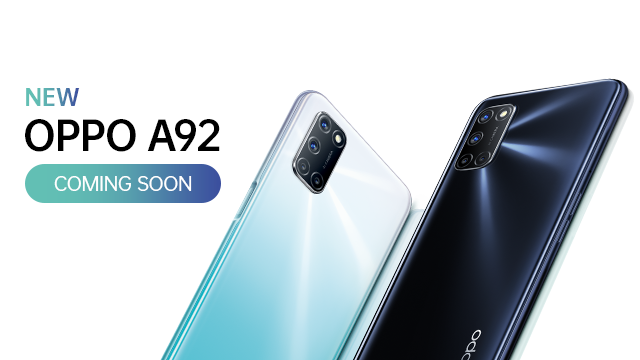
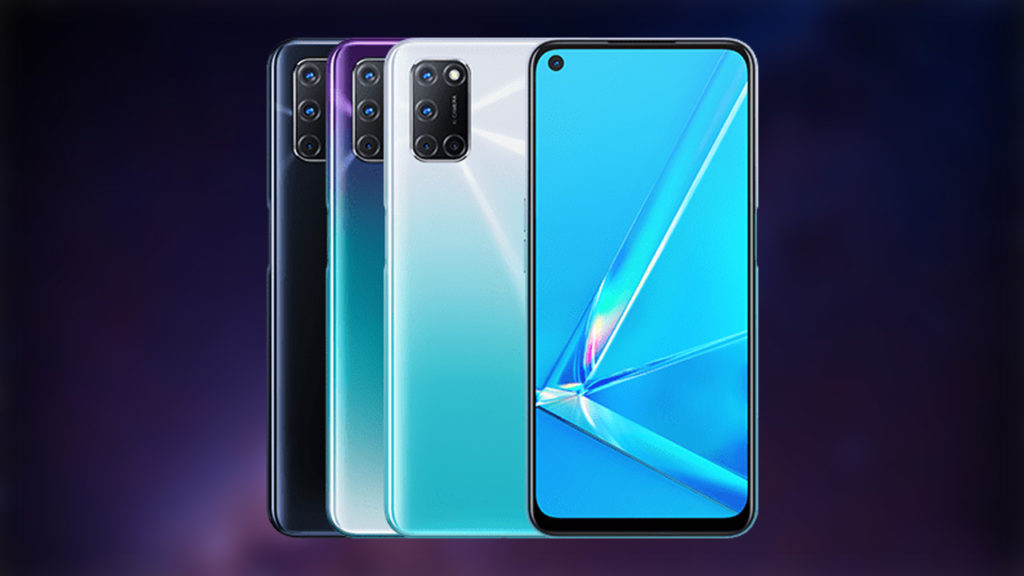
Looks like another OPPO smartphone will be arriving soon and this time it’s the OPPO A92s based on the leaked poster of the smartphone and also an MIIT certification page.
The smartphone might belong in the A-series family but the OPPO A92s is expected to pack flagship features including 5G and also a 120Hz refresh rate on its display.
The smartphone is also expected to run on MediaTek Dimensity 800 5G chipset which is a mid-range chipset. The smartphone is also expected to have a 6.57-inch display but we’re getting here an older LPDDR4x RAM and a UFS 2.1 memory in here.
The smartphone is also expected to have a 48MP Sony IMX586 camera, 8MP ultrawide, 2MP macro, and a 2MP depth sensor. AS seen in the leaked poster, the smartphone is expected to pack a dual selfie camera — a 16MP Sony IMX471 and a 2MP depth sensor.
We are days away from the official OnePlus series 8 launch this April 14, 8:30PM IST(11:00PM Philippine Time). And yet we are seeing a lot of leaks and teasers in typical phone release fashion. The latest to come out of the bat is the majestic Interstellar Glow Color. The rainbow hue style color on phones is the trend alongside prism black and crystal white colors. OnePlus’ approach to the rainbow style hue might be the most refreshing yet.
OnePlus 8 Interstellar Glow color old
OnePlus 8 Interstellar Glow color
The left image is an old render of the Interstellar Glow while the right one is the latest. This isn’t the first rumor of a OnePlus phone having a rainbow hue-like color scheme. The previous OnePlus 7T had unreleased Gold and Marble variants, according to the company’s designers. While it is unclear why the company didn’t release it, it seems like the Interstellar Glow colorway will push through.
OnePlus 8 Interstellar Glow color 2
OnePlus 8 Interstellar Glow color 3
What makes this version closer to being reality is the additional renders on the side. Moreover, OnePlus CEO Pete Lau, teased 30-watt wireless charging support on the new OnePlus 8 series. “Today, we can say with confidence that the Warp Charge 30 Wireless is a product we’re proud of. With a peak output of up to 30W, this powerful new wireless charger ensures your device goes from 1% to 50% in only half an hour.” While OnePlus is known for having a proprietary charging solution, the company guaranteed Qi wireless charging albeit only in 5W and 10W EPP standard.
Two new smartphones from Honor have been unveiled recently and it’s the Honor Play 4T Pro and the Honor Play 4T. Both smartphones are quite interesting as both smartphone feature interesting hardware inside.
For the Honor Play 4T, the smartphone is running on Kirin 710A processor with 6GB of RAM. The smartphone also comes with 128GB of internal storage and then there’s the 48MP main camera paired with 2MP depth sensor. The smartphone also comes with a 6.3-inch HD+ punch-hole display. The Honor Play 4T also comes with 4000mAh battery
While the Honor Play 4T Pro runs on the latest Kirin 810 chipset paired with 6GB/8GB RAM/ Weirdly enough, the smartphone features a notched display instead of a punch-hole display but we’re getting here a 6.3-inch AMOLED display with Full HD+ resolution. We can also expect a 4000mAh battery with 22.5W Charging on this one.
For the camera, the Honor Play 4T Pro features a 48MP main camera paired with 8MP ultrawide camera, and a 2MP depth sensor.
The Honor Play 4T is priced at CNY 1199 (Php8,597~) while the Honor Play 4T Pro is priced at CNY 1499 (Php10,748~) and CNY 1699 (Php12,182~) respectively for the 6/128GB and 8/128GB variants respectively.
According to ZDNet’s Mary Jo Foley, the Dual-screen device Surface Neo might be pushed back to 2021 along with its operating system, the Windows 10X. Panos Panay, Microsoft’s Chief Product Officer has told their team that they won’t be able to deliver Windows 10X and the Surface Neo before the year ends.
Windows 10X is the operating system made by Microsoft for dual-screen devices it was unveiled last year. One of the first Windows 10X device is the Surface Neo and it was actually expected to launch this Holiday 2020.
The delay is probably due to the coronavirus pandemic and not only that, but Microsoft is also planning on prioritizing Windows 10X to run on single-screen devices.
According to the latest report from OpenSignal, Smart has posted a score of 81.8% in 4G availability compared to the previous report where Smart has posted a score of 74.4%. While Globe has scored 77.8% in 4G availability.
Not only that, Smart has also won OpenSignal’s first-ever Games Experience award in where Smart has posted a score of 36.9 compared to Globe’s 35.9. This scoring is essential as gamers will benefit from the improvements in gaming experience to prevent lags and delays in-game.
Aside from that, Smart has also improved its Video Experience score by 15.6% in where Smart has achieved a score of 47.6 versus Globe in where the company has scored 39.8. In the downloads category, Smart also made a 12.8% jump with an overall download speed of 10.6 Mbps which is 3 Mbps faster than Globe.
According to OpenSignal’s report, Smart has posted better scores compared to its rival in almost all aspects.
Samsung has revealed today the Samsung Galaxy A51 5G and the Galaxy A71 5G. Both smartphones do look similar to the one that we have right now in the Philippines — the Galaxy A51 and the Galaxy A71 but this time, we’re getting here a 5G and a slightly different back design.
For the cameras, it will still be similar as the Samsung Galaxy A71 5G will still have a 64MP main camera while the Samsung Galaxy A51 5G will have a 48MP main camera and both smartphones will still have the same L-shaped camera placement at the rectangular module at the back.
The rear design is almost similar to the Galaxy A51 and A71 but we now have a vertical light with a reflection at the top half of the smartphones. The design on the front is still the same as we still got here the 6.5-inch FHD+ Super AMOLED Infinity-O display on the A51 5G and a 6.7-inch FHD+ Super AMOLED Plus Infinity-O Display on the Galaxy A71 5G.
The models of the chipset weren’t clear but both smartphones will rock an Octa-Core Dual 2.2GHz + Hexa 1.8GHz. The Galaxy A51 will also have a bigger 4500mAh battery inside.
Samsung Galaxy A51 5G Specs
6.5-inch Full HD+ Super AMOLED Infinity-O Display
Dual 2.2GHz + Hexa 1.8GHz Octa-Core processor
6GB/8GB RAM
128GB Internal storage expandable via MicroSD
48MP main camera + 12MP ultra-wide + 5MP Depth + 5MP macro lens
32MP Selfie Camera
WiFi, Bluetooth, GPS, A-GPS
In-display fingerprint scanner
5G, LTE
15W Fast Charging
4500mAh battery
Android 10 with One UI 2.0
Samsung Galaxy A71 5G Specs
6.7-inch Full HD+ Super AMOLED Plus Infinity-O Display
Dual 2.2GHz + Hexa 1.8GHz Octa-Core processor
6GB/8GB RAM
128GB Internal storage expandable via MicroSD
64MP main camera + 12MP ultra-wide + 5MP Depth + 5MP macro lens